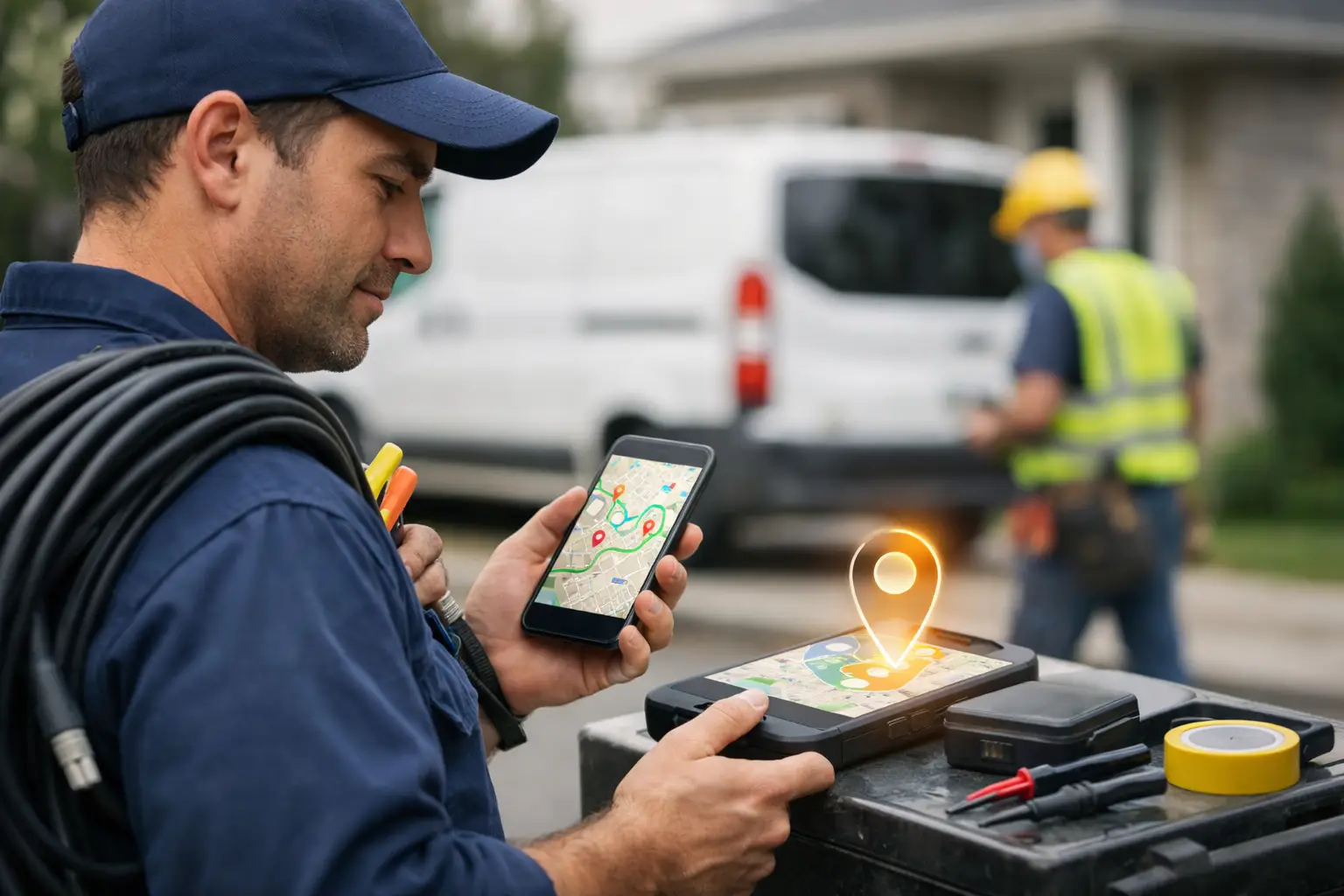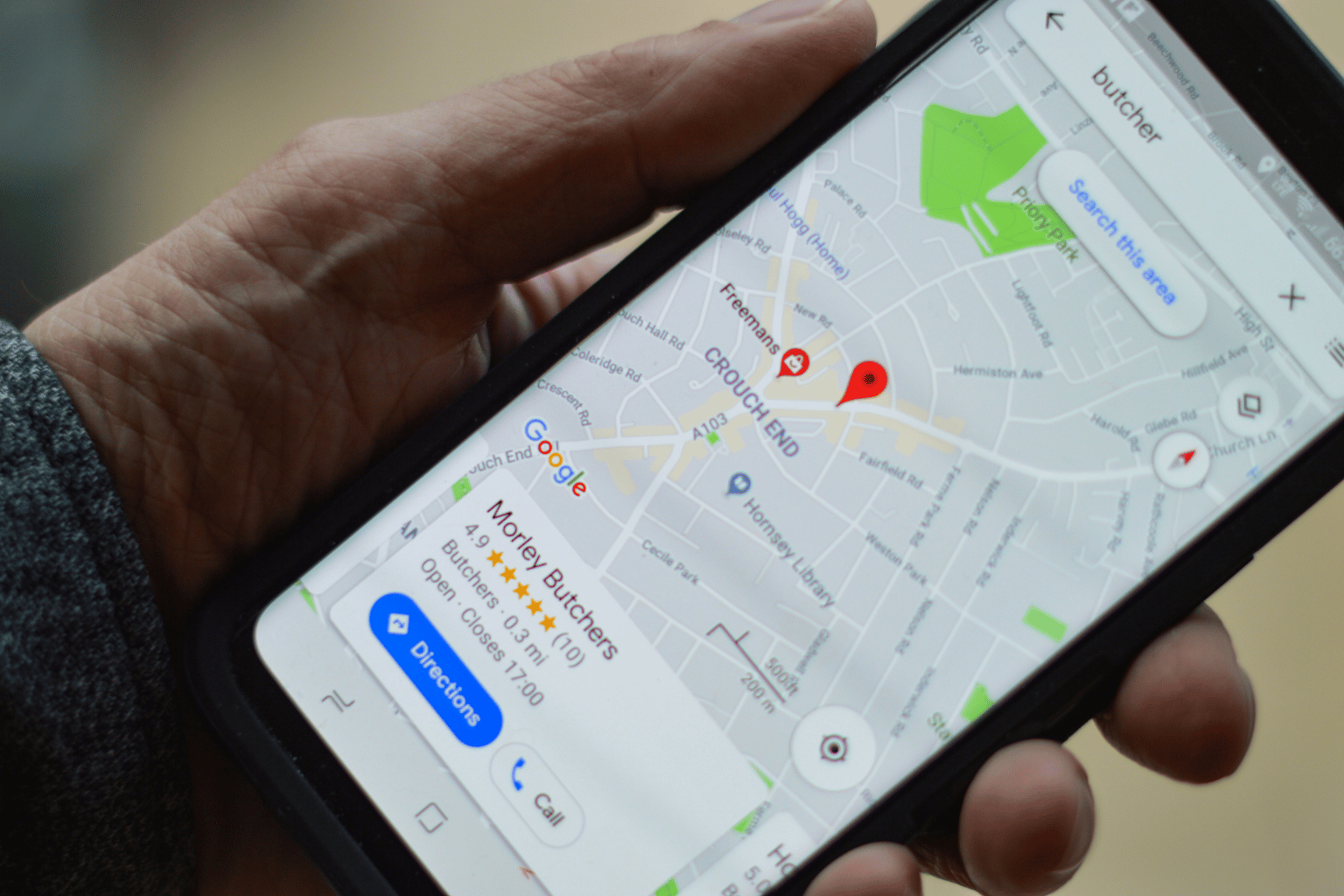

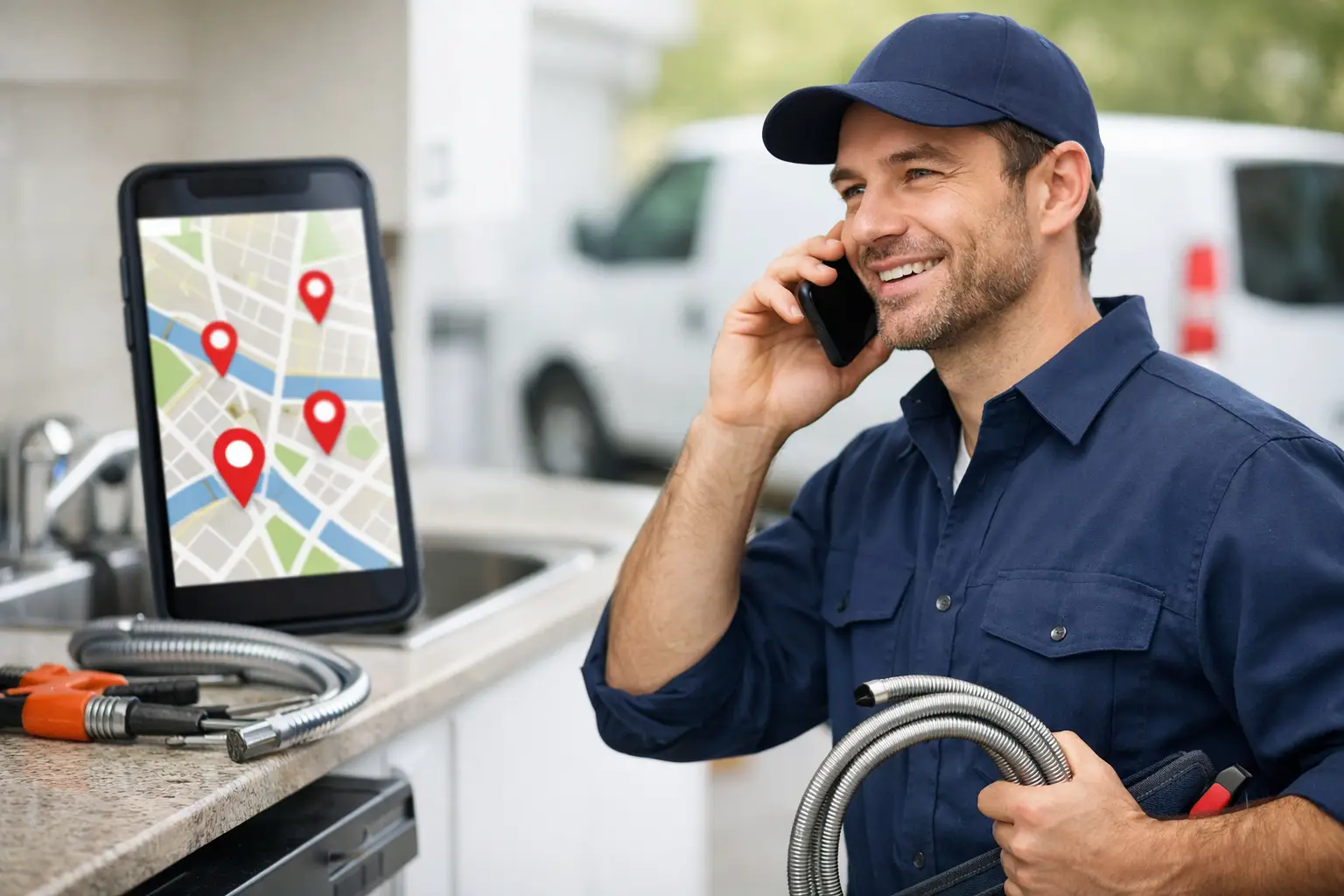
A homeowner with a burst pipe is not researching plumbing for three weeks. They are searching “emergency plumber near me,” checking the map, scanning reviews, and calling the business that looks credible before water reaches the hallway. Local SEO for plumbers is the system that puts your company in that high-intent moment.
For a plumbing business, visibility is not a vanity metric. It is the difference between an empty afternoon and a schedule full of profitable service calls. The goal is simple: appear where nearby customers look, make it easy to trust you, and give them a clear reason to call now.
Why Local SEO for Plumbers Produces Better Leads
Most plumbing searches have local intent, even when the customer does not type a city name. Google uses the searcher’s location, the relevance of your business, your reviews, and your online signals to decide which companies show in the map results and regular search listings.
That makes local search especially valuable for owner-operators and lean teams. You are not trying to compete with every plumbing company in America. You are competing for the homeowner, property manager, or business owner within the areas you can actually serve.
The trade-off is that local rankings are not controlled by one tactic. A polished website without a properly managed Google Business Profile can miss map-pack calls. A profile with great reviews but vague service pages may struggle to rank for specialized work such as trenchless sewer repair or tankless water heater installation. The pieces need to support each other.
Start With Your Google Business Profile
Your Google Business Profile is often the first impression a local customer gets of your plumbing company. Treat it like a live sales page, not a listing you set up once and forget.
Use your real business name, an accurate primary category, current phone number, website, hours, and service area. Choose the category that best reflects your core business, then add relevant secondary categories only when they represent services you genuinely provide. Do not stuff your business name with cities or keywords. It may look clever for a week and create a suspension headache later.
Write a straightforward description that explains what you do and where you work. Upload real photos of your team, wrapped vehicles, completed jobs, shop frontage if applicable, and equipment. Stock images can make a business look interchangeable. A photo of a technician your customer may actually meet is far more convincing.
Keep services updated, especially emergency availability. If you offer same-day drain cleaning, leak detection, hydro jetting, repipes, or commercial plumbing, make those services easy to find. Accuracy matters more than trying to claim every possible job under the sun.
Reviews Are a Local Ranking Signal and a Sales Tool
Reviews influence visibility, but their bigger job is removing risk for the customer. Plumbing is personal. People are letting a stranger into their home during a stressful problem, often with no idea what a fair repair should cost.
Build a simple review-request process after successful jobs. A technician or office team member can ask when the customer is relieved and the work is fresh in their mind. Send a short follow-up text or email, but never pressure people or offer incentives for positive reviews.
Respond to every review with care. Thank happy customers specifically without repeating private job details. For a negative review, stay calm, acknowledge the concern, and offer a path to resolve it offline. A defensive public argument is not reputation management. It is free entertainment for your competitors.
Build Service Pages That Match How People Search
Your homepage cannot do all the work. Customers search for specific needs, and your website should have clear pages for the high-value services you want to sell.
A useful service page explains the problem, the service, common warning signs, what the visit may involve, the locations served, and how to contact your team. It should sound like a helpful expert, not a list of keywords stapled together. If you serve Los Angeles, for example, a sewer line page should answer local customers’ questions about inspections, older pipes, permits when relevant, and scheduling expectations.
Create city or service-area pages only when they have real value. A page for Pasadena should not be a page for Burbank with the city name swapped 14 times. Add local detail, relevant service information, and proof that you work there. Thin location pages are a shortcut with a short shelf life.
Your contact information should be consistent everywhere it appears. That means the same business name, phone number, address or service-area setup, and hours across your website and major business listings. Small discrepancies can create confusion for search engines and customers alike.
Make the Website Convert the Traffic You Earn
Ranking is only half the job. If a homeowner lands on a slow, cluttered page and cannot find your number, the lead goes back to Google and calls someone else.
Put a click-to-call phone number near the top of every mobile page. Make your emergency availability obvious, use a short booking form, and show the service areas you cover. Add trust markers that are real: license information where applicable, years in business, financing options if offered, guarantees you can honor, and recognizable review highlights.
Speed matters because plumbing leads are impatient by necessity. Large image files, intrusive pop-ups, and confusing navigation can cost calls. A lean website that loads quickly and answers the immediate question will often outperform a prettier site that makes customers work for basic information.
A Practical Local SEO Checklist for Plumbers
Use this checklist as a monthly operating routine rather than a one-time marketing project:
- Check that your Google Business Profile hours, phone number, services, photos, and service areas are current.
- Request reviews consistently after completed jobs and respond to new reviews professionally.
- Publish or improve one useful service or location page based on real customer questions.
- Test your website on a phone: call button, form, page speed, and emergency messaging should all work cleanly.
- Track calls, form submissions, booked jobs, and revenue by source, not rankings alone.
The last point is where many campaigns go sideways. Ranking first for a low-value phrase may feel good, but it does not necessarily fill the schedule. Track which pages and search terms produce booked work, then put more effort behind the services with the strongest margins and close rates.
Prepare for Local Search in AI Answers
In 2026 and beyond, local discovery will not live only in the familiar blue links. Customers are increasingly asking AI-powered search tools questions such as, “Who can fix a water heater near me today?” or “What should I ask a plumber before replacing a sewer line?”
That does not replace Google Maps or your Google Business Profile. It adds another layer. AI systems tend to favor clear, credible information that is easy to understand and supported by a consistent online presence. Detailed service pages, useful FAQs, strong reviews, accurate business information, and genuine local proof all help make your company easier to surface and recommend.
Avoid chasing every new platform just because it has an AI label. The smart move is to strengthen the information customers and search systems already need: who you are, where you work, what you fix, what makes your company trustworthy, and how to reach you quickly. LAv1 approaches this as a connected visibility strategy, not a collection of shiny objects.
Common Questions About Local SEO for Plumbers
How long does local SEO take for a plumbing company?
Some improvements, such as completing a business profile or fixing a broken call button, can affect lead flow quickly. Meaningful ranking gains usually take several months because Google needs time to evaluate relevance, authority, competition, and customer engagement. Emergency plumbing in a dense market is typically more competitive than a small-town specialty service.
Can plumbers rank in nearby cities without a physical office there?
Yes, but proximity remains a major factor in map results. A service-area business can build visibility in nearby cities through strong service pages, reviews, local relevance, and a well-managed profile. It should not create fake addresses or virtual offices just to manipulate rankings.
Should a plumber pay for local SEO or Google Ads?
It depends on your goals and timeline. Ads can generate leads quickly but stop when spending stops. Local SEO compounds over time and can lower your dependence on paid clicks, but it requires patience and ongoing work. Many growing plumbing companies use both, with ads covering urgent demand while SEO builds durable visibility.
The best local marketing does not try to make your plumbing company look bigger than it is. It makes your real strengths impossible for nearby customers to miss: fast response, skilled work, clear communication, and a number they can call when the problem cannot wait.