
A packed marketing plan can still produce an empty calendar. The best small business marketing channels are not the ones with the most buzz, followers, or complicated dashboards. They are the channels that put your business in front of people who are ready to call, book, visit, request a quote, or buy.
For a local service business, that might mean showing up in Google Maps when a homeowner searches for help nearby. For an online store, it may mean paid search plus email campaigns that bring customers back. The right answer depends on how customers buy, how quickly you need leads, and what you can sustain after the initial push.
How to Choose the Best Small Business Marketing Channels
Start with the customer moment, not the platform. Ask one practical question: what does a buyer do immediately before they choose a business like yours?
Someone with a burst pipe searches Google now. Someone planning a kitchen remodel may read reviews, compare sites, watch short videos, and ask an AI search tool for recommendations over several weeks. A repeat customer may simply respond to an email or text offer. Those are different journeys, and they deserve different channel choices.
A lean business usually needs one channel for immediate demand and one that compounds over time. Paid search can create near-term lead opportunities. Local SEO, organic content, reviews, and email build assets that can keep producing after this month’s ad budget is spent.
Do not spread a modest budget across six channels just to say you are everywhere. Being barely visible everywhere is not a strategy. It is expensive wallpaper.
1. Local SEO and Google Business Profile
For businesses that serve a city, neighborhood, or defined service area, local SEO is often the highest-value starting point. It helps you appear when people search for services with local intent, including searches such as “roof repair near me,” “Los Angeles family lawyer,” or “best med spa in Pasadena.”
Your Google Business Profile is central to this work, but it is not the whole job. Strong local visibility also depends on accurate business information, service pages built around real customer needs, location relevance, review quality and velocity, and a website that makes it easy to take action on a phone.
The trade-off is speed. Local SEO can generate wins quickly when a profile is neglected, but competitive markets take sustained work. It is not a switch you flip. It is a reputation and relevance system that gets stronger when the rest of your digital presence supports it.
For a plumber, dentist, contractor, restaurant, salon, or other local operator, local SEO should rarely be an afterthought. It is where high-intent customers are already looking.
2. Organic SEO and AI Search Visibility
Traditional organic search remains one of the best long-term channels for businesses with useful expertise, clear services, and a website worth visiting. The goal is not simply to rank for broad vanity phrases. The goal is to earn visibility for questions and searches that signal commercial intent.
A personal injury firm might build pages around the cases it handles and the locations it serves. A B2B consultant might publish clear answers to buyer questions about pricing, timelines, alternatives, and implementation. An ecommerce brand may create category pages, comparison content, and buying guides that reduce decision friction.
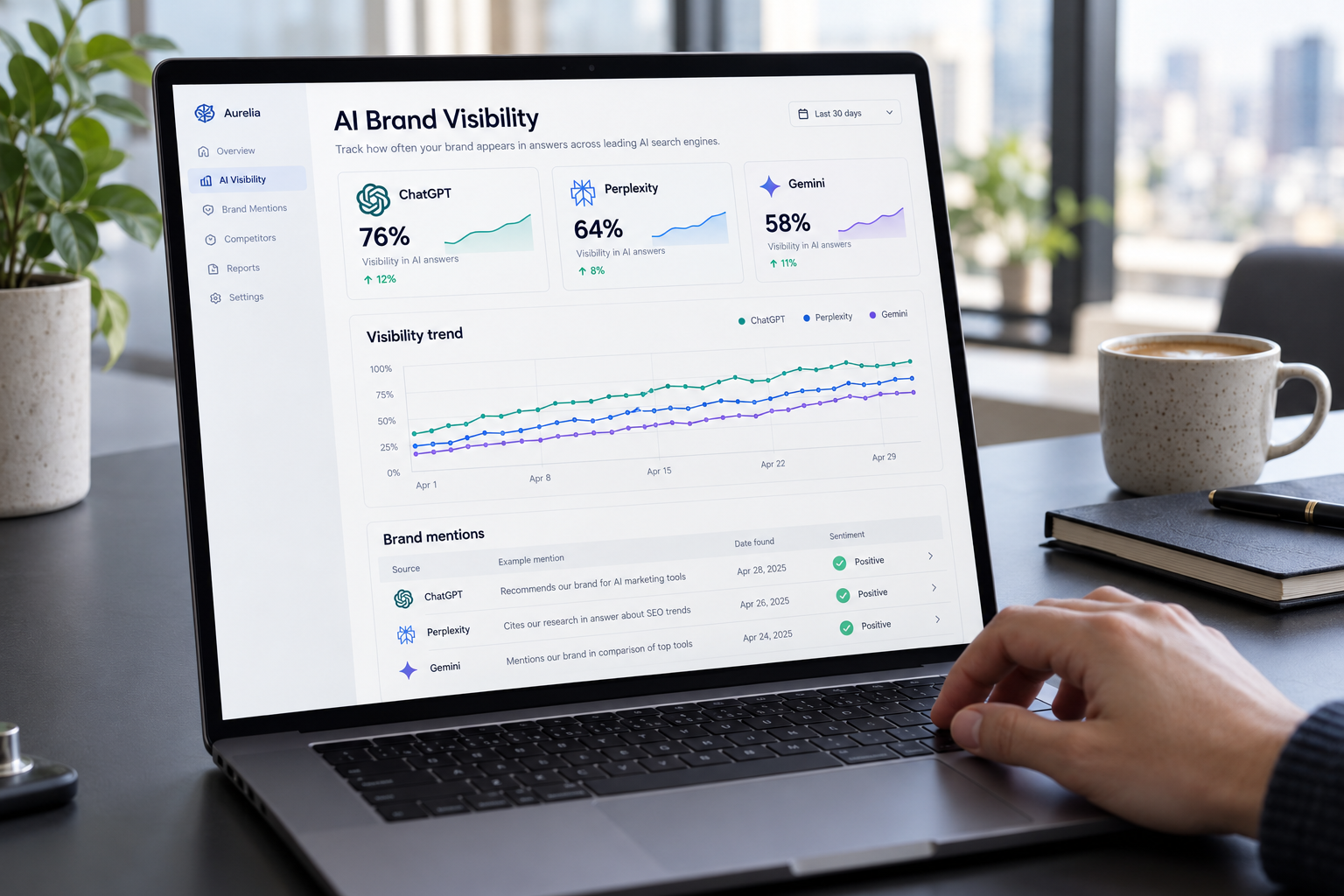
In 2026, that work also needs to account for AI-driven discovery. People increasingly ask ChatGPT, Perplexity, and Google’s AI features conversational questions such as, “What should I look for in a local web design agency?” or “Which HVAC maintenance plan makes sense for an older home?”
AI visibility is not magic and nobody can honestly guarantee a brand mention in every AI answer. But clear site architecture, credible subject-matter content, consistent business facts, strong third-party signals, and direct answers to common questions improve the odds that your business is understandable and citable across search experiences.
This channel takes patience, but its upside is significant: qualified traffic, lower dependence on paid clicks, and a more credible brand footprint. Think of it as building digital equity instead of renting attention forever.
3. Google Ads and High-Intent PPC
Google Ads is a practical choice when you need to capture active demand sooner. You pay to appear for searches related to what you sell, then direct that person to a focused landing page or call experience.
It works especially well for urgent or high-value services. Emergency restoration, legal services, specialty medical care, home services, and high-consideration B2B offers can all benefit when campaigns target the right terms, locations, hours, and audiences.
The catch is that PPC exposes weak fundamentals fast. A vague landing page, slow mobile site, missing reviews, or unanswered phone calls can turn a healthy ad budget into a very expensive lesson. Track calls, form submissions, booked appointments, qualified leads, and closed revenue, not just clicks.
Use paid search to test demand and messaging while your SEO efforts mature. If a keyword consistently creates profitable customers through ads, it is usually a strong candidate for an organic page too.
4. Email and SMS for Repeat Revenue
Many businesses focus so hard on new leads that they ignore the customers who already know them. Email and SMS are among the most cost-effective channels for retention, referrals, upsells, reactivation, and appointment reminders.
This is not permission to blast generic discounts every Friday. The useful messages are timely and relevant: a seasonal maintenance reminder, a follow-up after a service, a restock alert, an abandoned estimate nudge, or an invitation to refer a friend.
Email works well for businesses with longer buying cycles, recurring services, ecommerce catalogs, memberships, and established customer lists. SMS can be powerful for time-sensitive messages, but it requires restraint. If every text feels like a megaphone, customers will opt out.
Build the list ethically through website forms, checkout, appointment booking, in-store signups, and customer follow-up. A small, engaged list beats a large list full of people who do not remember why they heard from you.
5. Social Media That Builds Trust, Not Just Reach
Social media is valuable when customers need to see proof before they buy. Before-and-after transformations, team expertise, customer stories, product demonstrations, behind-the-scenes footage, and quick answers to real questions can make a small business feel familiar and credible.
It is usually not the fastest direct-response channel for every category. A CPA firm may not need to chase viral trends. A wedding venue, fitness studio, restaurant, beauty business, designer, or home remodeler may see much more value because visuals and personality influence the purchase.
Choose platforms based on customer behavior. Instagram and TikTok can support visual discovery. Facebook remains useful for many local communities and older demographics. LinkedIn may be the better fit for B2B service providers. The winning move is consistency around a clear point of view, not copying whatever a national brand posted yesterday.
Use social content to create demand, demonstrate credibility, and give your paid and organic campaigns more material to work with. Expecting every post to produce a sale is a fast route to frustration.
6. Reviews, Referrals, and Partnership Marketing
Trust is a marketing channel. For many small businesses, reviews and referrals influence conversion more than another clever headline ever will.
Create a simple, repeatable request process after a successful customer experience. Ask for feedback at the right moment, respond professionally, and treat recurring criticism as operational intelligence. Do not buy reviews or pressure unhappy customers into silence. Those shortcuts create risk and rarely hold up.
Partnerships can extend that trust. A real estate agent might partner with lenders, inspectors, and movers. A wellness business might work with complementary local providers. A web designer might collaborate with photographers, copywriters, and IT firms. The best partnerships have a shared audience and a clear reason to recommend each other.
A Simple Channel Mix for a Lean Budget
If you are starting from scratch, prioritize the channels closest to revenue first. For many local businesses, that means a conversion-ready website, Google Business Profile optimization, review generation, and tightly managed Google Ads. Add local SEO content and email follow-up as the foundation strengthens.
If your business depends on education and a longer sales cycle, make organic SEO, expert content, email nurture, and selective LinkedIn or paid search the core mix. If you sell visually, layer in social proof and short-form video.
Review performance monthly, but do not panic after one quiet week. Look at cost per qualified lead, conversion rate, close rate, average customer value, and customer acquisition cost. Marketing data is useful only when it connects to actual business outcomes.
Quick Channel Selection Checklist
Before investing, make sure you can answer these five questions:
- Which channel reaches customers with the strongest buying intent?
- Can your website, phone process, and team convert the demand you create?
- How will you measure qualified leads and revenue, not just traffic?
- What can you maintain consistently for at least three to six months?
- Where are competitors leaving obvious gaps in service, content, reviews, or response time?
The best channel is rarely a secret platform your competitors have not heard of. More often, it is the channel your customers already use, supported by faster follow-up, better proof, clearer messaging, and a strategy that does not disappear the moment your attention gets pulled back into running the business.