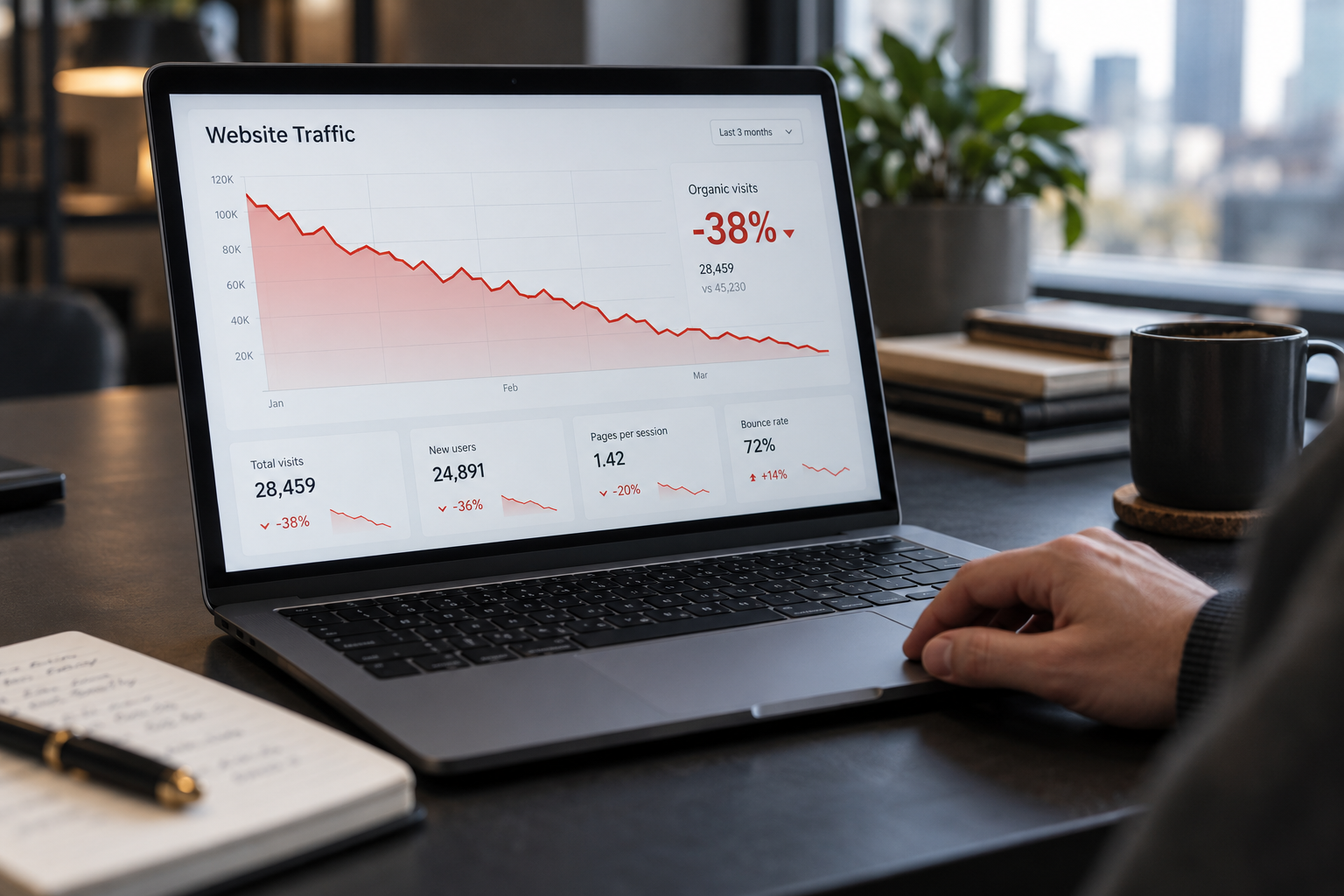

A plumber can have five-star reviews, a beautiful website, and years of experience – then still lose calls to a competitor because Google cannot clearly understand, trust, or properly access the site. That is why asking what is the difference between on-page, off-page and technical SEO? is more than marketing jargon. Each area solves a different visibility problem, and ignoring one can limit the return from the others.
For a small business, SEO is not about collecting rankings as trophies. It is about showing up when a nearby customer searches for what you sell, giving them a reason to choose you, and making it easy for search engines and AI-powered discovery tools to recommend your business accurately.
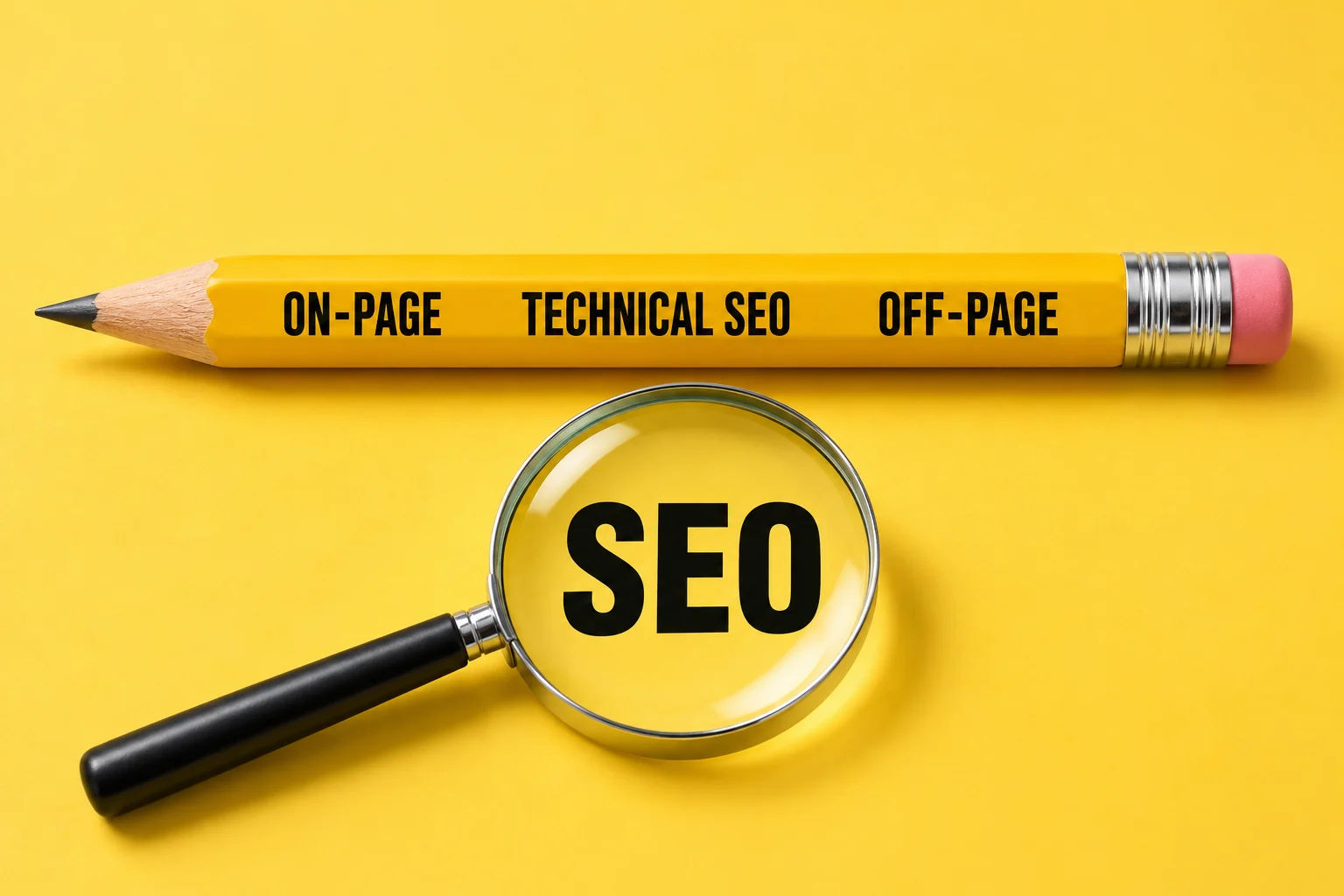
What Is the Difference Between On-Page, Off-Page and Technical SEO?
Think of SEO as three parts of one growth system.
On-page SEO is what you say and show on your website. It helps search engines and visitors understand what each page is about and why it answers their question.
Off-page SEO is your reputation beyond your website. It includes the external signals that show your business is credible, known, and worth referencing.
Technical SEO is how well the site functions behind the scenes. It ensures search engines can crawl, render, understand, and index your pages without friction.
A simple analogy: on-page SEO is the sales conversation inside your storefront. Off-page SEO is your reputation around town. Technical SEO is the unlocked door, working lights, and clear address that let people get inside in the first place.
They overlap, but they are not interchangeable. Great service pages will struggle if Google cannot index them. A technically perfect site may never earn meaningful traffic if it has thin content and no outside credibility. A pile of backlinks cannot rescue a website that frustrates every visitor on mobile.
On-Page SEO: Making Every Page Earn Its Place
On-page SEO covers the content and visible elements you directly control on your website. Its job is to match a real searcher’s intent with a useful, clear answer.
For example, a Los Angeles family law firm should not rely on one generic page labeled “Services.” A prospective client may search for “divorce lawyer in Los Angeles,” “child custody attorney,” or “how long does a California divorce take.” These searches carry different intent. Strong on-page SEO creates useful, distinct pages and content that address those needs without repeating the same phrase until the writing sounds like it was produced by a malfunctioning robot.
Key on-page elements include page titles, heading structure, body copy, image descriptions, internal links, URLs, and calls to action. More importantly, it includes whether the page actually helps. Does it explain the service, outline the process, answer common objections, establish local relevance, and tell visitors what to do next?
Content quality beats keyword stuffing
Keywords still matter because they connect language on your site to language customers use. But the goal is not to insert a phrase 20 times. The goal is to demonstrate topic coverage and relevance naturally.
A well-built roofing page, for instance, may discuss roof repair types, warning signs, emergency response, material options, service areas, licensing, financing, and how to request an estimate. That depth helps customers make decisions and gives search engines more context than a 150-word page saying “best roofer” over and over.
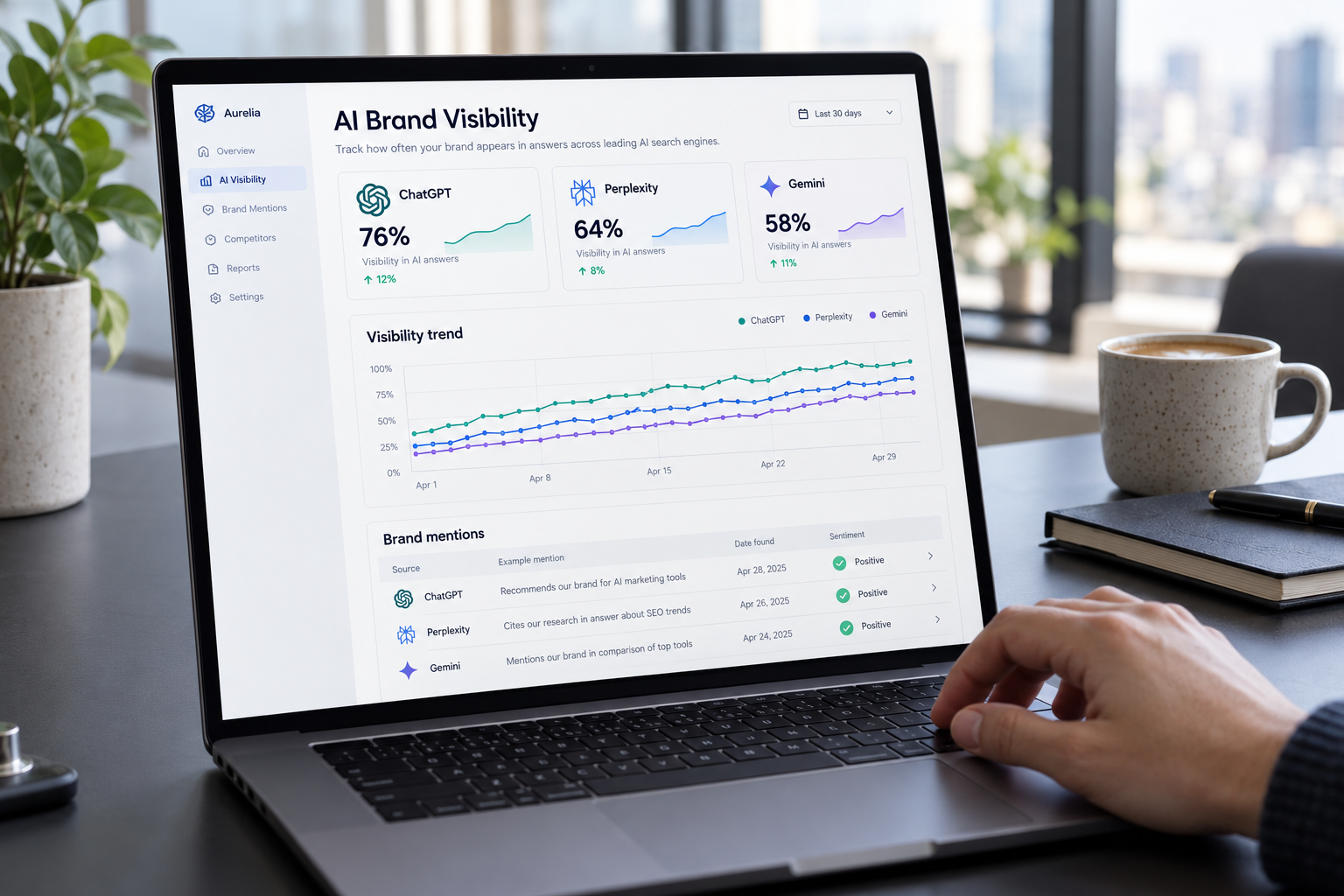
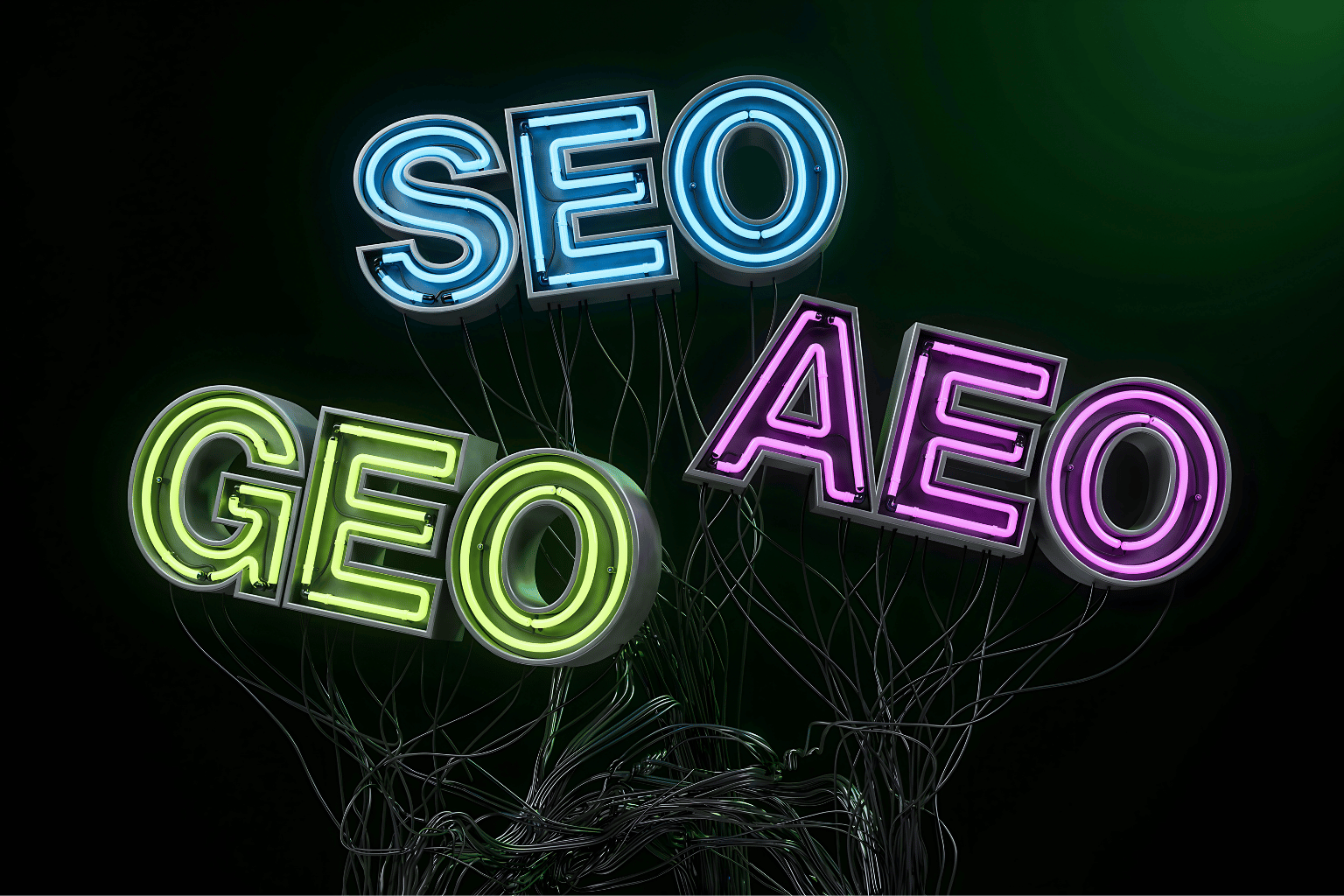
On-page optimization also supports visibility in AI-generated answers. AI search systems tend to favor content that is specific, structured, current, and easy to verify. Clear service descriptions, first-hand expertise, pricing guidance where appropriate, and direct answers to common questions all make a business easier to represent accurately.
Off-Page SEO: Building Signals of Trust Beyond Your Site
Off-page SEO is often reduced to backlinks, but that is only part of the picture. It is about the signals outside your website that help search engines assess authority, relevance, and real-world legitimacy.
A backlink is a link from another website to yours. When a respected local publication, professional association, supplier, or industry resource references your business, it can act as a vote of confidence. Not every link carries the same weight, though. One genuine mention from a relevant local source can be far more valuable than dozens of low-quality links from unrelated websites.
For local businesses, off-page SEO also includes accurate business listings, reviews, local media mentions, community partnerships, and brand citations. If your name, address, phone number, hours, and services are inconsistent across the web, you create confusion for customers and search platforms alike.
Reputation is not something you can automate away
Reviews are especially important in local search, but the smart strategy is simple: earn them honestly and respond professionally. Do not buy reviews, pressure unhappy customers, or use a suspicious flood of five-star feedback from accounts with no history. Those shortcuts can damage trust faster than they build it.
The same caution applies to link building. Cheap backlink packages promise fast authority, but they often produce spammy placements that add little business value and may create cleanup work later. A better approach is to create genuinely useful resources, build local relationships, contribute expertise, and make your business worth citing.
Off-page SEO takes time because reputation takes time. That can feel inconvenient when leads are needed now, but it is also why a credible off-page foundation is difficult for competitors to copy overnight.
Technical SEO: Making Sure Search Engines Can Do Their Job
Technical SEO addresses the infrastructure of your website. Visitors may never notice it when it works, which is exactly the point.
Search engines need to find your pages, understand their relationships, load them reliably, and decide whether they should appear in results. Technical problems can quietly block that process. A page can have excellent content and strong links, yet fail to rank because it is accidentally marked “noindex,” buried behind poor navigation, duplicated across multiple URLs, or too slow to load on a phone.
Common technical SEO priorities include:
- Mobile-friendly page layouts and tap targets
- Fast loading performance, especially on service and location pages
- Secure HTTPS browsing
- Clear site architecture and internal navigation
- Crawlable links, XML sitemaps, and sensible indexing controls
- Structured data that clarifies services, locations, products, reviews, or FAQs when appropriate
- Fixing broken pages, redirect chains, duplicate content, and confusing URL variations
Technical SEO is not a one-time task. New website updates, plugin changes, product pages, tracking scripts, and redesigns can introduce issues. WordPress and Shopify make publishing easier, but neither platform makes a site automatically optimized. A polished theme can still be slow, cluttered, or difficult for search engines to interpret.
The technical trade-off: speed versus functionality
Every feature adds a decision. A chat widget, video background, appointment tool, pop-up, review carousel, and third-party tracking script may all have a purpose. Together, they can make a website painfully slow.
That does not mean removing every feature. It means measuring the business value against the performance cost. If a booking tool generates qualified appointments, keep it. If an autoplay video consumes bandwidth and adds no leads, it is probably decorative baggage.
Which Type of SEO Should a Small Business Prioritize?
The honest answer is: it depends on the bottleneck.
If Google is not indexing important pages, technical SEO comes first. If your site ranks but visitors leave without calling or filling out a form, on-page content, messaging, and conversion design need attention. If your pages are strong but competitors consistently outrank you because they have established local authority, off-page SEO and reputation-building deserve more investment.
For many small businesses, the best sequence is to fix major technical blockers, build or improve core service and location pages, then steadily develop authority through reviews, citations, digital PR, and relevant mentions. That order prevents you from promoting pages that are broken or unclear.
Paid ads can support the process when faster lead generation is needed, while SEO compounds over time. The two channels are not enemies. Search term data from paid campaigns can reveal high-intent language worth addressing on organic landing pages, and strong SEO pages can improve ad relevance and conversion rates.
A Practical Way to Think About Your SEO Investment
Before paying for any SEO service, ask three questions: Can search engines access and understand my site? Does my content clearly answer why a customer should choose us? Do trusted sources across the web confirm that we are a legitimate, relevant business?
Those questions map directly to technical, on-page, and off-page SEO. They also keep the conversation focused on outcomes rather than vanity metrics. A ranking report is useful, but a growing number of qualified calls, booked consultations, online orders, and repeat customers is the score that matters.
The businesses that win in Google and AI search will not be the ones chasing every new trick. They will be the ones that make it easy to find, easy to trust, and easy to choose – then keep improving as customer behavior changes.