
A customer searches “best emergency plumber near me,” “how much does a roof replacement cost,” or “which accountant handles small business tax issues?” Google may now answer before the classic blue links get much attention. So, how do you rank in Google AI Overviews and AI Mode? You do not rank by chasing a new magic checkbox. You earn a place as a source Google can understand, trust, and use to answer a real question.
That sounds familiar because it is. Strong SEO fundamentals still matter. The difference is that AI search puts more pressure on clarity, proof, and usefulness. A page that is technically optimized but vague, thin, or interchangeable has less to offer an AI-generated response. A page that directly solves the searcher’s problem gives Google more reason to cite it.
First, understand what you are trying to win
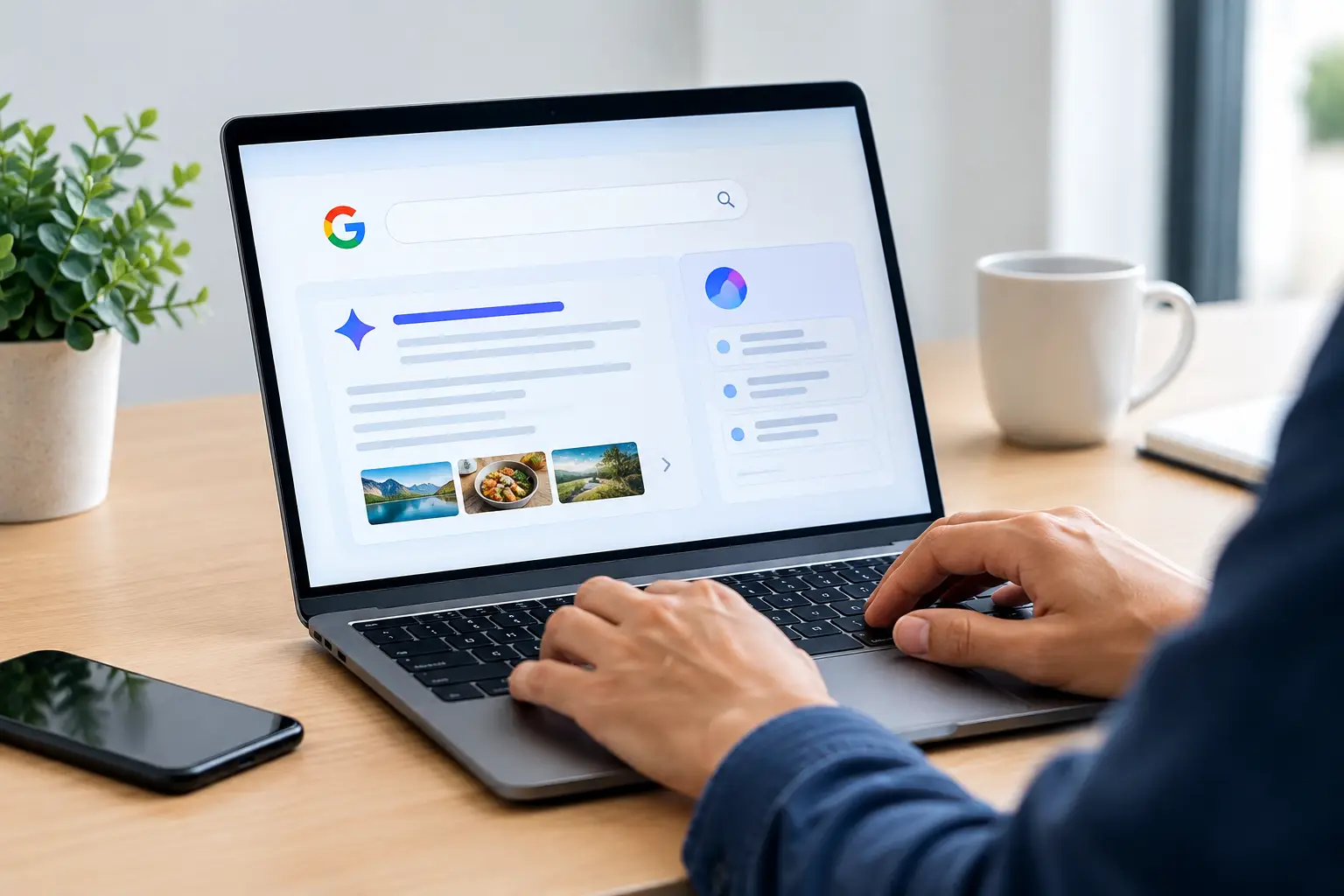
Google AI Overviews are generated summaries that can appear in Search results for certain queries. They may pull supporting information from several sources and cite those sources alongside the answer. Google AI Mode is a more conversational search experience, built for follow-up questions, comparisons, research, and multi-step tasks.
Neither format is a simple “position one” leaderboard. Google can select different sources for different parts of the answer. Your business might be cited for pricing guidance, service-area details, a product comparison, or a specific troubleshooting step – even when another site receives the first traditional organic result.
That creates an opportunity for small businesses. You do not have to outspend a national brand on every broad keyword. You need to be exceptionally helpful for the questions your ideal customers ask before they call, book, visit, or buy.
There is also a trade-off. Some AI answers can satisfy basic informational searches without generating a click. That is why AI visibility should not be treated as a vanity metric. The goal is visibility that supports qualified leads, branded searches, calls, and revenue.
How do you rank in Google AI Overviews and AI Mode?
Start by building pages that answer a specific question better than the generic alternatives. AI systems need content they can extract, verify, and explain. Give them clean answers, then back those answers with real-world expertise.
Match the page to the customer’s actual question
Many business websites lead with marketing language when customers need an answer. “Premier solutions for every need” is not useful to a homeowner trying to figure out whether a leaking water heater is urgent. It is not useful to a founder comparing payroll providers, either.
Create content around the questions that show buying intent or remove friction before a sale. For a local HVAC company, that could include how long a furnace installation takes, what affects replacement cost, whether a repair is worth it, and what permits may be required locally. For a law firm, it could cover what happens during an initial consultation, common timelines, and which documents to bring.
Answer the question early, in plain English. Then add the detail needed for a customer to make a confident decision. This structure helps readers, classic search, and AI-generated answers at the same time.
Avoid writing one giant page that tries to rank for every service, city, problem, and audience. Specific pages tend to provide clearer context. A service page for commercial drain cleaning in Los Angeles can be more valuable than a broad plumbing page stuffed with location names like a broken GPS.
Show firsthand expertise instead of recycling the web
AI can generate a generic article in seconds. Your advantage is the knowledge it cannot invent credibly: what you see on jobs, what clients ask, what local conditions change, what mistakes cost people money, and how your process works.
Add original details to your important pages. Explain your diagnostic process. Include realistic price ranges when appropriate, along with the variables that affect them. Share photos of completed work, staff credentials, project examples, before-and-after context, and customer outcomes. Make sure claims are accurate and supportable.
For regulated or high-stakes industries such as healthcare, legal, finance, and home safety, editorial care matters even more. Have qualified people review content. Clearly identify the business, its expertise, and how customers can verify key information. Trust is not decoration. It is part of the product.
Make local relevance impossible to miss
For a local business, AI visibility is not only about the topic. It is about whether Google can confidently connect your business to a place and a service.
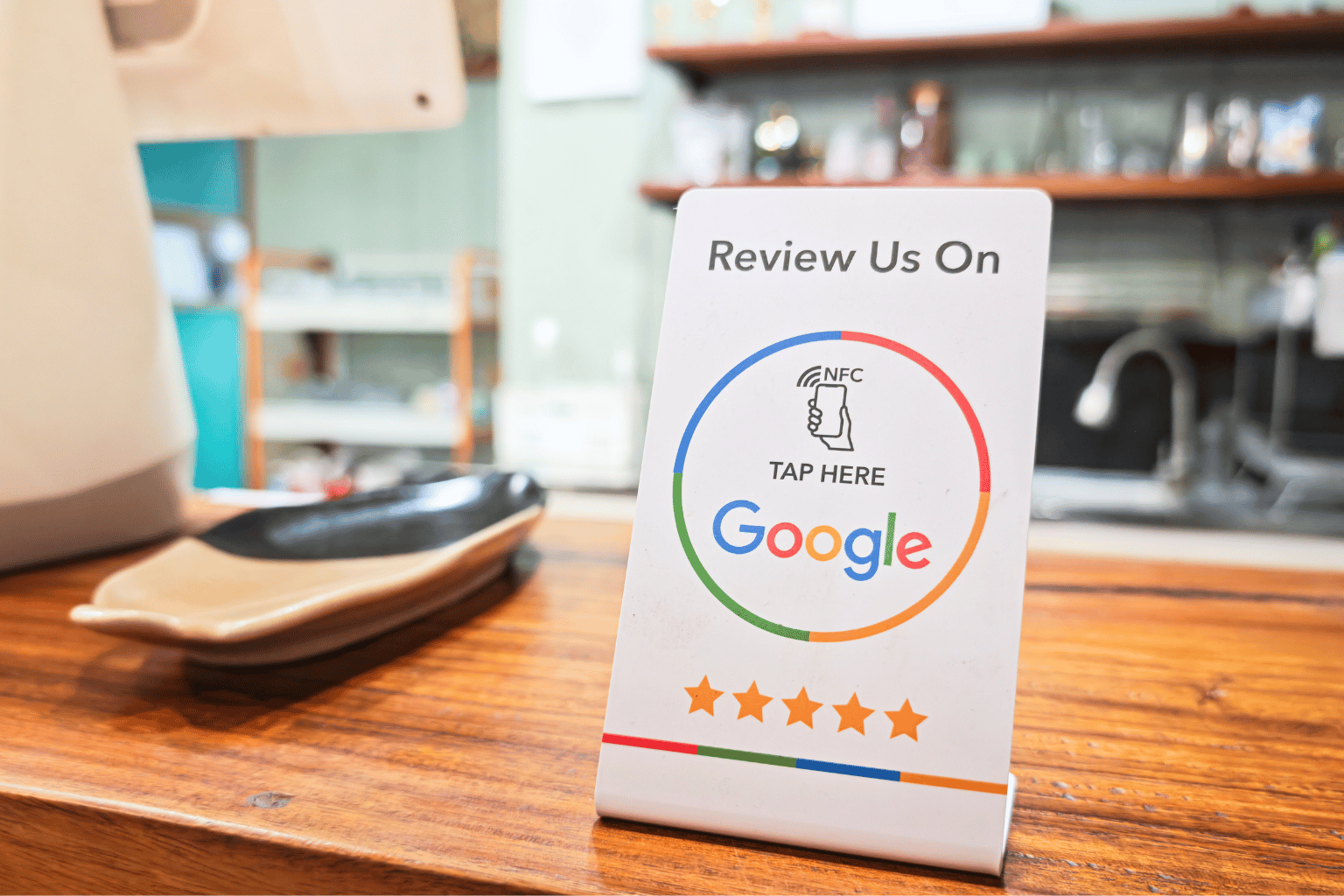
Keep your business name, address, phone number, hours, service areas, categories, and services consistent across your website and major business profiles. Fully complete your Google Business Profile, use accurate categories, and maintain genuine reviews. Reviews are not a substitute for a good website, but they are valuable evidence that real customers know and use your business.
Your site should also include useful local context, not copy-and-paste city pages. Mention neighborhoods only when you actually serve them. Explain local permitting, climate, building styles, travel considerations, or regional needs when they affect the service. A Los Angeles roofing company, for example, may have useful insight on heat exposure, wildfire-zone considerations, and local inspection realities. That is meaningful context. Repeating “Los Angeles roofer” 30 times is not.
Strengthen the technical foundation
Google cannot confidently use pages it struggles to crawl, render, or interpret. Technical SEO is less glamorous than AI headlines, but it remains nonnegotiable.
Ensure your important pages load quickly, work well on mobile devices, return the right status codes, and are linked from logical navigation or related pages. Use descriptive page titles and headings. Keep duplicate pages under control. If a service page is blocked from indexing or hidden three clicks deep, great writing will not save it.
Structured data can help Google interpret business details, services, products, FAQs, reviews, and articles when it accurately reflects visible page content. It is not a guaranteed ticket into AI Overviews, and marking up imaginary ratings is a fast way to create problems. Use schema to clarify facts, not to game the system.
Build authority beyond your own website
Google evaluates more than what you say about yourself. Independent signals help it assess whether your business is known, legitimate, and relevant.
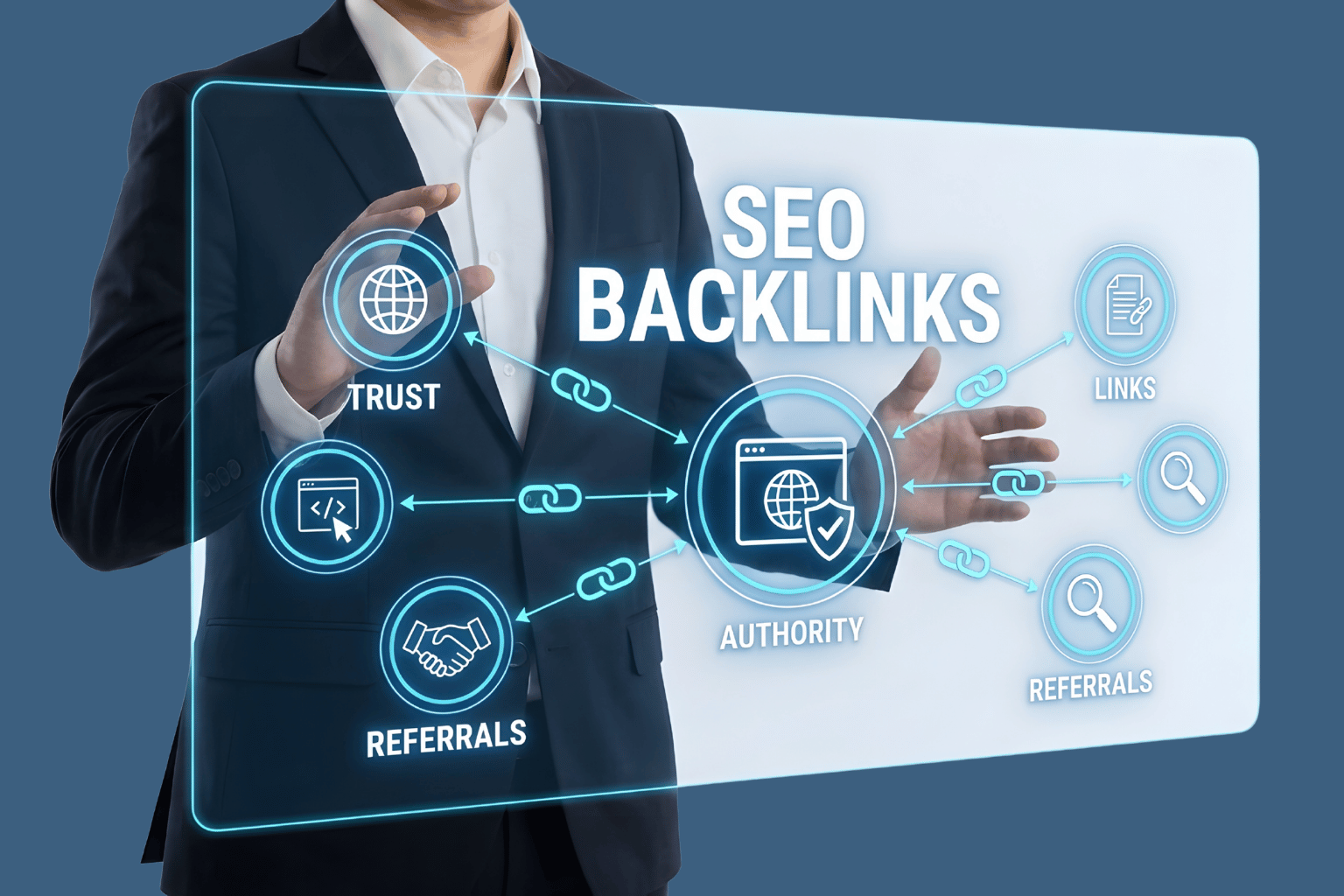
Earn mentions through local partnerships, industry associations, community involvement, supplier relationships, digital PR, and genuinely useful resources. A local chamber listing will not transform rankings overnight, but a consistent pattern of credible references supports trust. So do detailed customer reviews and case studies that show the work behind the promise.
Be selective. A handful of relevant, legitimate mentions beats a pile of low-quality directory submissions. If someone sells you 500 backlinks for the price of lunch, keep your lunch and walk away.
Optimize for follow-up questions, not just one keyword
AI Mode is built for conversations. A person might begin with “best CRM for a small landscaping company,” then ask about pricing, migration, automations, and local support. Your content should anticipate that journey.
On a core service page, include the next questions a buyer asks: who the service is for, what it costs, how long it takes, what is included, what results are realistic, and when another option may be better. Honest limitations increase credibility. For example, a contractor can explain that repair is often sensible for isolated damage but replacement may be the better long-term choice for an aging roof with recurring leaks.
Use clear internal topical connections between related pages. A page about PPC management should naturally connect in the site architecture with landing pages, conversion tracking, local SEO, and reporting. This helps users find answers and helps search engines understand what your business is truly knowledgeable about.
Measure the business impact, not just citations
AI visibility is still evolving, so reporting will not always be neat. You may see shifts in impressions, branded searches, referral traffic, calls, assisted conversions, and the search queries that bring visitors to your site. Watch these trends alongside rankings and leads.
Do not panic if a page appears in an AI Overview but gets fewer clicks for a broad informational query. Ask whether it improves brand exposure and whether your higher-intent pages are converting the visitors who do arrive. For many small businesses, the best strategy is a balanced one: use educational content to build visibility, then give commercial and local pages a clear path to contact, quote, booking, or purchase.
Common mistakes that keep businesses out of AI results
The biggest mistake is treating AI optimization as a separate pile of gimmicks. Publishing dozens of shallow AI-written articles, stuffing pages with FAQ schema, or rewriting competitors’ content will not create distinct expertise.
Another mistake is forgetting conversion. If Google cites your business but your site has outdated services, confusing navigation, no proof, and a buried contact form, visibility will not turn into revenue. Search performance and website performance are the same growth problem viewed from different angles.
Finally, do not promise a guaranteed placement. Google controls what appears in AI Overviews and AI Mode, and the result can change by query, location, device, and time. A credible strategy improves your eligibility and your overall search presence. It does not sell a secret back door.
Frequently asked questions
Can a small business appear in Google AI Overviews?
Yes. Small businesses can be cited when their content is relevant, accurate, clearly structured, and supported by strong local and trust signals. Specific expertise often beats generic scale for niche or local questions.
Does ranking in traditional Google results still matter?
Absolutely. Traditional rankings, crawlability, helpful content, authority, and local SEO are the foundation for AI search visibility. AI optimization is an evolution of strong SEO, not a replacement for it.
Should every page have an FAQ section?
No. Add FAQs when they answer genuine customer questions that do not fit naturally elsewhere on the page. Thin, repetitive FAQs added solely for keywords rarely help users or rankings.
The businesses that win in AI search will be the ones that make a customer’s next decision easier. Keep publishing the proof, explanations, and local expertise only your business can provide – then make it effortless for Google and real people to find it.