

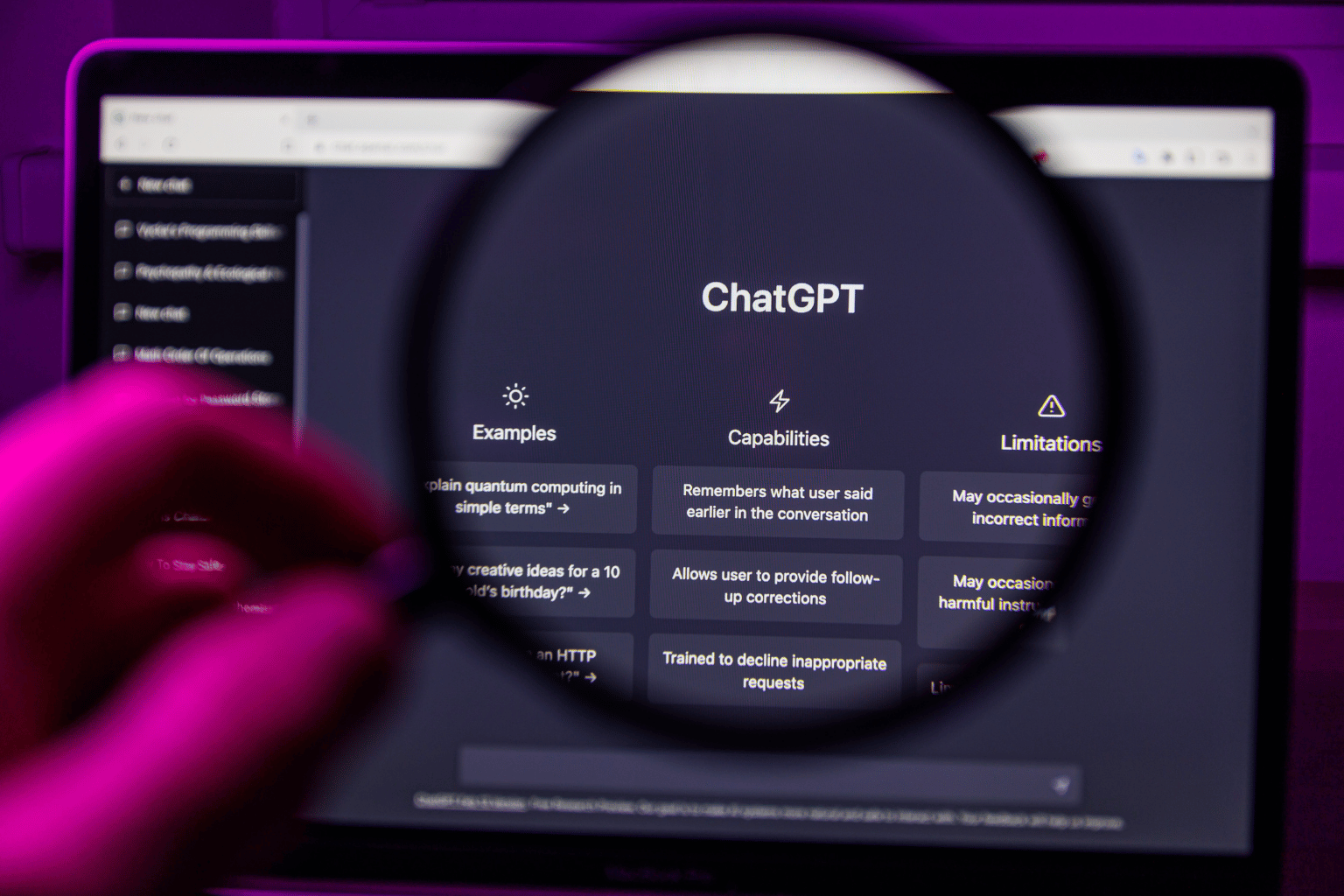
A homeowner asks ChatGPT for the best emergency plumber near them. A buyer asks Google’s AI result which accountant works with independent contractors. If your business is not clearly represented in the information those systems trust, the answer can go to a larger competitor – or no local business at all. This AI search optimization guide explains how small businesses can earn a place in those answers without chasing hype or rebuilding their marketing from scratch.
The short answer: AI visibility starts with useful proof
AI search tools do not work exactly like traditional search engines, but they still need dependable information. They look for clear entities, credible sources, topical relevance, local signals, and content that answers a specific question better than vague marketing copy.
That means AI visibility is not about stuffing “best [service]” into every page. It is about making it easy for search engines and AI platforms to understand who you are, what you do, where you do it, who you help, and why a customer should trust you.
For a local HVAC company, that may mean clear service pages for repair, installation, and maintenance; accurate service-area information; detailed FAQs; recent customer reviews; and proof of licenses, experience, warranties, and response times. For a B2B consultant, it may mean original insights, defined service packages, credible bio information, case studies, and direct answers to the questions buyers ask before they book a call.
AI systems are increasingly designed to summarize. Give them thin, generic material, and your business is easy to skip.
How AI search changes the customer journey
Traditional SEO often centers on earning a click from a list of blue links. AI search can shorten that path. A user may get recommendations, comparisons, definitions, pricing context, and next steps directly inside ChatGPT, Google AI results, Perplexity, or another answer engine.
That creates a zero-click reality: some people will learn about your business without visiting your website immediately. It can feel frustrating if you only measure success by organic traffic. But a well-placed brand mention can still influence a later branded search, phone call, direction request, or conversion from another channel.
The trade-off is that fewer clicks can make attribution messier. Small businesses should therefore track more than rankings. Watch branded searches, calls, form submissions, booked appointments, review growth, referral traffic from AI platforms where available, and the quality of leads arriving through every channel.
The goal is not merely to be quoted by an AI tool. The goal is to become the obvious, credible choice when a customer is ready to act.
Start your AI search optimization guide with business facts
Before publishing new content, fix the foundation. AI tools can only be as confident as the information they find. Inconsistent details create doubt, and doubt can cost visibility.
Review your website, Google Business Profile, social profiles, major directories, and review platforms. Your business name, phone number, website, address, hours, service areas, and primary services should agree. If you are a mobile service business, explain that clearly instead of pretending customers can visit an office that is not open to the public.
Then make your website easy to interpret. Every important service needs its own page with a plain-language explanation, the problems it solves, the audience it serves, relevant locations, a realistic process, and a clear next step. Do not make prospects hunt for basic information. If a customer needs to call to find out whether you serve Pasadena, accept commercial projects, or offer same-day service, your site has already made the sale harder.
Your About page matters too. AI platforms look for signals that a real business with real expertise is behind the content. Include founder or team credentials where relevant, years of experience, certifications, professional memberships, and a concise explanation of your approach. Keep it factual. Empty superlatives are not evidence.
Build content around questions with buying intent
The strongest AI-search content answers the questions customers actually ask when money is on the line. That includes comparison questions, cost questions, eligibility questions, local questions, and problem-solving questions.
A personal injury attorney might address “What should I do after a rideshare accident in California?” A roofing contractor could explain “How long does a roof replacement take in Los Angeles?” A med spa may cover “What is the difference between microneedling and chemical peels?” These are not random blog topics. They are decision points.
Create pages that answer the primary question immediately, then add useful detail. Explain when the answer changes, what variables affect cost or timing, what customers should prepare, and when professional help is needed. Specificity is a competitive advantage because it helps people and gives answer engines clean, quotable context.
Avoid publishing 30 near-identical location pages with only the city name swapped. That shortcut has always been weak, and AI-generated search experiences make the weakness more obvious. Write location content only where you can add local value: neighborhood service details, project examples, local regulations, common conditions, testimonials, or genuine availability.
Use structured pages, not robotic pages
A good page does not need to sound like it was written for a machine. Use descriptive headings, brief opening answers, scannable sections, and clear terminology. Add FAQ sections where they solve real uncertainty, not because a plugin told you to fill a box.
For example, a page about water heater replacement could cover the signs replacement makes more sense than repair, typical installation variables, tank versus tankless considerations, permits, and scheduling. That is useful content. Repeating “water heater replacement Los Angeles” twelve times is not.
Earn the credibility AI systems look for
AI answers often draw from sources that appear established, consistent, and well-supported. Your website is central, but it is not the whole picture. A business with clear third-party validation has a stronger story than one that only calls itself excellent.
Make review generation part of operations. Ask satisfied customers for honest feedback shortly after the job, appointment, or purchase. Do not script the review or offer incentives that violate platform rules. A steady stream of genuine, detailed reviews is more valuable than a sudden burst of vague five-star ratings.
Publish proof where appropriate. Case studies, before-and-after project descriptions, original photos, pricing examples with proper context, staff expertise, and customer outcomes help distinguish a real operator from a content mill. For regulated industries such as legal, medical, and financial services, accuracy and compliance matter even more. Claims should be reviewed carefully, and content should never promise outcomes you cannot guarantee.
In 2026, the businesses most likely to win AI discovery are not necessarily the loudest. They are the easiest to verify.
Treat technical SEO as the delivery system
Great content cannot do much if search engines struggle to access or understand your site. Technical SEO remains part of AI visibility optimization because crawlers still need clean pathways to your pages.
Make sure your site loads quickly on mobile, uses HTTPS, has logical navigation, avoids duplicate or thin pages, and includes accurate titles and descriptions. Use relevant structured data to identify your business, services, locations, products, reviews, events, and FAQs when the markup matches visible page content.
Schema markup is useful, but it is not magic dust. Marking up inaccurate information will not make it trustworthy. Think of schema as a label on a well-organized file folder. It helps systems classify what is already there.
Also check whether key service content is hidden inside images, tabs that fail to render, or JavaScript-heavy components. A beautiful website that search systems cannot reliably read is an expensive brochure with the lights off.
Measure visibility beyond the ranking report
An AI search strategy needs a monthly review, not a one-time checklist. Search behavior, platform features, and competitors change quickly. Start by documenting the questions that matter most to your revenue, then test those prompts in relevant AI tools on a regular schedule.
Look for patterns. Which competitors receive mentions? What sources are being cited? Are the answers missing a service you offer, confusing your location, or overlooking a strong differentiator? Use those insights to improve your own pages and business information rather than trying to manipulate a single answer.
Track performance with business outcomes attached. A page that generates three high-value consultations can beat a page that earns 5,000 casual visits. For resource-constrained owners, this is the difference between marketing activity and marketing that pays for itself.
A practical 90-day priority order
First, clean up business information and fix high-impact technical problems. Next, improve your core service and location pages so they answer buyer questions directly. Then publish a small set of high-intent resources supported by reviews, proof, and original experience. Finally, measure leads and visibility, keep what works, and improve what does not.
Do not try to publish every possible article at once. A focused plan built around your highest-margin services and most valuable customers will usually outperform a giant content calendar nobody has time to maintain.
FAQ
Can a small business show up in ChatGPT or Perplexity?
Yes, but there is no guaranteed placement. Your chances improve when your business information is accurate, your website clearly explains your expertise, and credible sources support your reputation. Results can vary by prompt, location, user history, and platform.
Is AI search optimization different from SEO?
It overlaps with SEO but expands the goal. Traditional SEO helps pages rank in search results. AI search optimization also focuses on being understood, cited, and recommended in generated answers. Strong technical SEO, local SEO, helpful content, and reputation management support both.
Should I replace my SEO strategy with AI optimization?
No. AI visibility should strengthen your existing search strategy, not replace it. Google rankings, local map visibility, paid search, email, and a conversion-ready website still matter. The smartest approach connects the channels instead of betting the business on one new interface.
AI search is moving fast, but the winning principle is refreshingly stable: make your business easy to understand and hard to doubt. Start with the pages and facts closest to revenue, then build from there. That is how a small business earns attention without burning its budget chasing every shiny new tool.