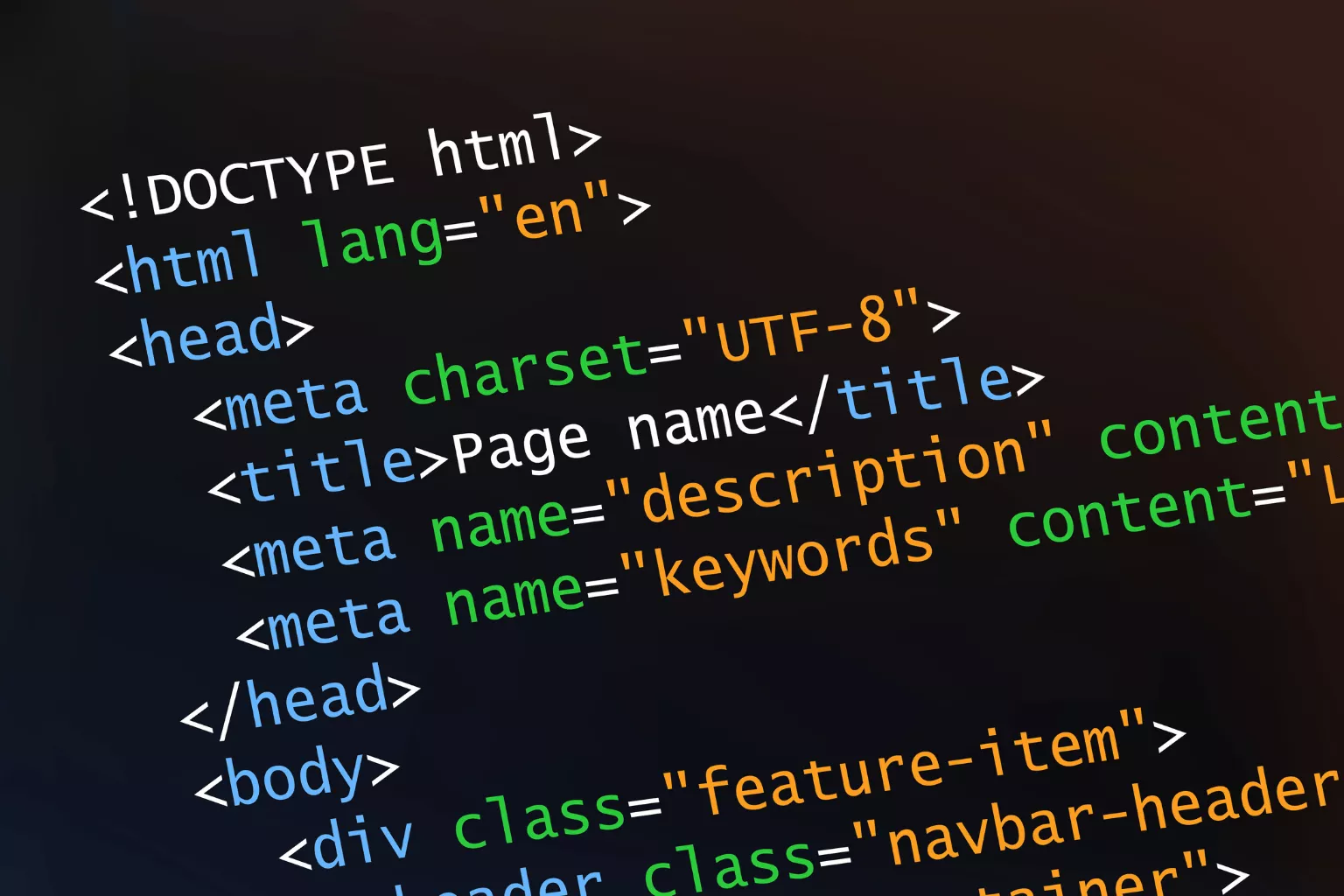


A product page that looks perfect to a customer can still be hard for Google to interpret. Is JSON-LD better than Microdata for SEO? For most small business websites, yes – JSON-LD is usually the smarter default because it is easier to manage, less likely to break during website edits, and aligns with Google’s preferred structured data implementation.
That does not mean Microdata is bad, outdated, or guaranteed to hurt rankings. Both formats can communicate structured information such as services, reviews, products, events, locations, and FAQs to search engines. The real difference is operational: JSON-LD keeps critical SEO markup separate from the visible page design, while Microdata weaves it directly into the HTML elements customers see.
For a busy owner, that distinction can prevent a lot of avoidable SEO cleanup.
JSON-LD vs. Microdata for SEO: the short answer
JSON-LD is a block of structured data code usually placed in a page’s header or body. It tells search engines what a page is about without requiring developers to tag every visible element on the page. Microdata adds special attributes directly around page content, such as a business name, price, address, or review rating.
Google can understand both. Neither format earns a ranking boost simply because it is JSON-LD or Microdata. Structured data helps search engines interpret content more accurately and may make a page eligible for enhanced search appearances, often called rich results. Eligibility is not a promise of display, but clean markup gives search engines better information to work with.
For most WordPress, Shopify, and custom small business sites, JSON-LD wins because it is more practical to implement and maintain at scale. Think of it this way: Microdata puts labels on every item in your storefront. JSON-LD gives search engines a clean inventory sheet behind the counter.
Why JSON-LD is usually the better choice
The biggest advantage is separation. A web designer can change the font, rearrange a service page, update a product template, or revise a call-to-action without accidentally stripping important schema attributes from visible HTML. With Microdata, those design and content changes can affect the markup because the two are tied together.
JSON-LD also works especially well when your site uses page builders, ecommerce apps, content management systems, or third-party development teams. A properly configured schema plugin or custom template can generate consistent markup across hundreds of service, location, product, or blog pages. That consistency matters when lean teams cannot spend Friday afternoon hunting for missing price or availability fields.
It is also easier to audit. A marketer or developer can inspect one structured data block, validate it, and spot gaps quickly. With Microdata, the relevant properties may be scattered throughout a page’s HTML. That can turn a simple fix into a digital scavenger hunt.
Google has long recommended JSON-LD when possible, and that preference remains sensible in 2026. It is flexible, readable to technical teams, and less intrusive to the on-page experience. For agencies managing SEO across multiple client sites, those advantages add up fast.
Better maintenance can mean better SEO outcomes
The format itself is not magic. What creates value is accurate, complete, policy-compliant data that remains intact after site updates. JSON-LD lowers the odds of markup being damaged when someone changes a headline, switches themes, or installs a new ecommerce app.
For example, a local HVAC company may need its service area, business name, phone number, opening hours, service offerings, and customer-facing reviews represented consistently. A restaurant needs current menus, locations, hours, and reservation details. An online retailer needs accurate product names, pricing, stock status, and shipping information.
If the structured data contradicts the visible page, is incomplete, or is attached to content that customers cannot actually see, Google may ignore it. JSON-LD makes clean implementation easier, but it does not excuse sloppy data.
When Microdata still makes sense
Microdata can be a good option when it is already correctly built into a stable website template. If your existing pages validate cleanly, the markup matches visible content, and rich-result reporting shows no issues, there is no urgent business case to rebuild everything just for the format.
This is where agencies sometimes create unnecessary work. Replacing functioning Microdata with JSON-LD may be worthwhile during a redesign, CMS migration, or schema overhaul. It is not automatically the highest-ROI fix if your site has bigger problems, such as thin service pages, slow mobile performance, weak local signals, poor conversion paths, or no review strategy.
Microdata may also fit tightly controlled templates where the content and markup must stay connected by design. A developer can ensure the price displayed to users is the same price declared in the code, for instance. The trade-off is that ongoing edits need more technical care.
The practical rule is simple: do not change formats because someone called Microdata obsolete. Change when JSON-LD will make your data more accurate, scalable, or easier to manage.
Does JSON-LD help with AI search visibility?
AI-driven search experiences, including Google’s AI features and answer engines, pull from many signals. Clear site architecture, authoritative content, consistent business facts, topical relevance, reviews, and strong technical fundamentals all matter. Schema is one useful clarity signal, not a shortcut to appearing in every AI-generated answer.
JSON-LD can support AI visibility indirectly by making factual details easier for machines to parse. That is helpful when your business information appears across service pages, locations, products, events, authors, or FAQs. But adding an FAQ schema block to every page will not turn a generic site into an AI authority. Search platforms still need evidence that your content is useful, current, and trustworthy.
For small businesses, the bigger opportunity is alignment. Your website, Google Business Profile information, service descriptions, contact details, and customer experience should tell the same story. Structured data is the organized layer that reinforces that story for search engines and AI systems.
A practical schema checklist for small businesses
Before choosing JSON-LD or Microdata, make sure the underlying information is ready. Focus on these four areas:
- Use the schema type that reflects the page’s real purpose, such as LocalBusiness, Service, Product, Event, Article, or FAQPage where appropriate.
- Match every important schema detail to content a visitor can see on the page, including prices, ratings, availability, and business information.
- Validate markup after major website, theme, plugin, or product-feed changes. A site can look normal while structured data quietly fails.
- Prioritize pages tied to revenue or local intent first: core services, product pages, location pages, event pages, and high-performing educational content.
Avoid stuffing every possible schema type onto one page. More markup is not better if it makes the page confusing or inaccurate. A plumber’s service page does not need to pretend it is a product catalog, a news article, and an event venue all at once. Search engines have seen that movie before.
Common mistakes that cost more than the format choice
The most frequent issue is treating schema as a one-time technical task. Business details change. Hours shift for holidays, products go out of stock, staff bios become outdated, services expand, and reviews appear or disappear. Structured data needs a maintenance owner, even if that owner is an agency partner or web team.
Another mistake is using review markup incorrectly. Businesses should not mark up self-selected testimonials in a way that suggests they are independent product or service ratings when they do not meet platform guidelines. Likewise, do not claim awards, credentials, prices, or availability that the page cannot support.
Finally, remember that schema cannot repair weak fundamentals. If your service page does not explain what you do, where you do it, who you help, and why a customer should contact you, adding code will not create demand. It can clarify strong content. It cannot replace it.
The right choice for your website
Choose JSON-LD for new builds, redesigns, Shopify stores, WordPress sites, and any website that needs scalable, easier-to-maintain structured data. Keep Microdata if it is already working well and changing it would pull time and budget away from more meaningful growth work.
The best schema strategy is not the one with the fanciest code. It is the one that keeps your most valuable business information accurate as your website, search results, and customer expectations keep changing. Start with the pages that generate calls, bookings, and sales, then build outward from there.