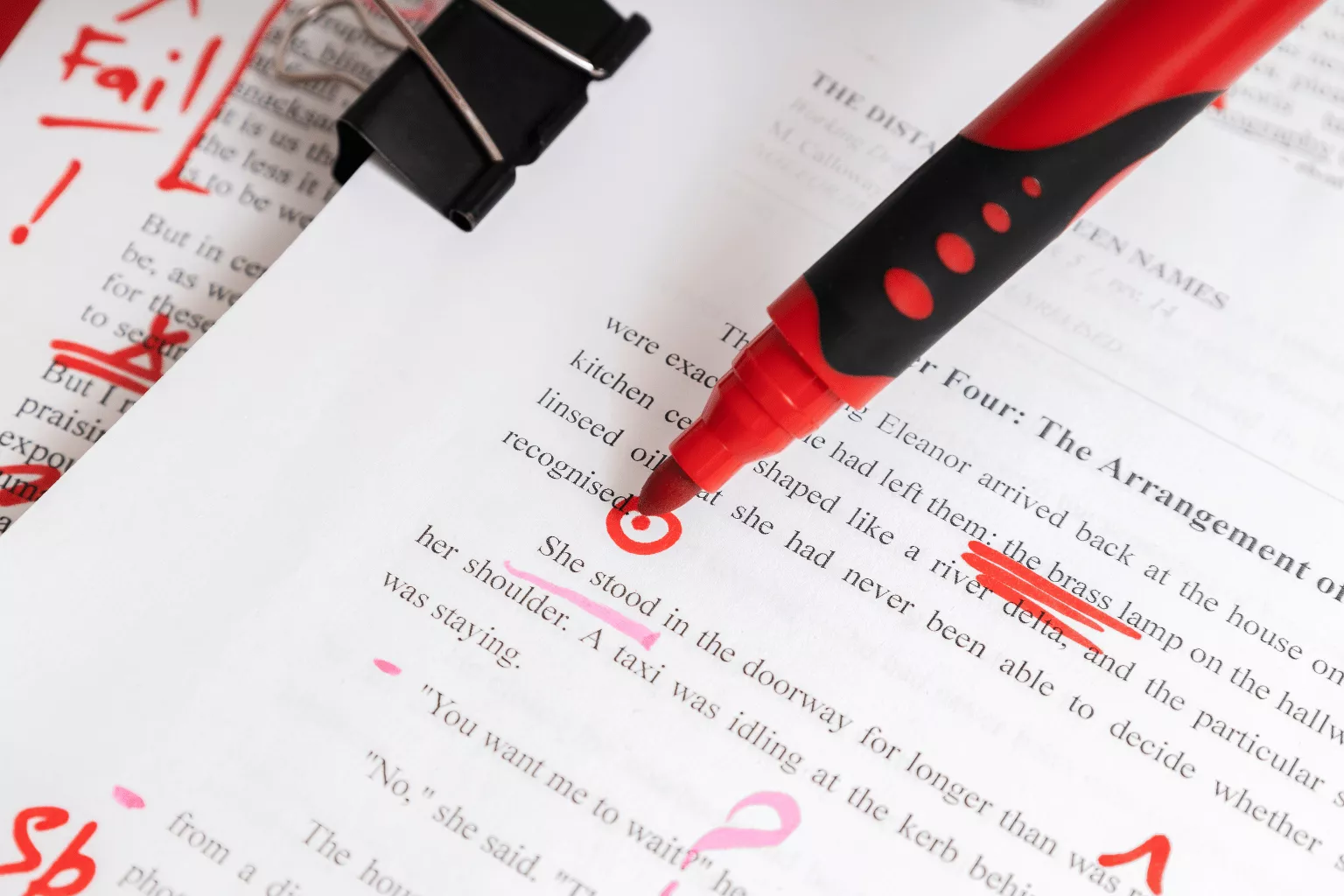


A competitor is outranking your business, their service page looks polished, and an AI tool can produce a similar page in 30 seconds. Tempting? Absolutely. Smart? Only if you know what the tool is actually doing. Can AI rewrite competitor content without creating duplicate-content risks? Yes, but only when you use competitor pages as research, not as a script with a few synonyms swapped in.
For a small business, the stakes are bigger than a ranking dip. A copycat page can make your brand sound interchangeable, weaken customer trust, and give search engines no compelling reason to show your site over the original. AI should help you build a sharper point of view, not create a faster version of someone else’s homework.
Can AI Rewrite Competitor Content Without Duplicate-Content Risks?
It can, but “rewrite” is often the wrong goal. If you feed an AI tool a competitor’s article and ask it to rewrite the page, you risk producing content with the same structure, claims, examples, and intent. Changing words does not automatically create an original asset.
Duplicate content in search is also more nuanced than many business owners think. Search engines do not typically issue a dramatic penalty every time two pages discuss the same subject. The practical problem is that similar pages compete for the same query, and search engines must decide which version is most useful, trustworthy, and worth displaying. The original, better-known source often wins.
There is a separate issue: copyright and brand risk. Closely paraphrasing protected expression, borrowing distinctive examples, or copying a competitor’s proprietary framework can create legal headaches even if the wording is not identical. AI does not erase that responsibility. The business publishing the content owns the outcome.
The safer approach is simple: use competitors to identify market gaps, customer questions, and search intent. Then create a page that could only have come from your business.
The Difference Between Research and Repackaging
Competitor research is normal, healthy marketing. You should know what local competitors say about their services, which questions they answer, and where their pages leave customers unconvinced. Repackaging begins when your draft follows their page so closely that readers could place both documents side by side and recognize the same outline wearing different clothes.
For example, a Los Angeles HVAC company may find that every competing page discusses emergency repairs, financing, and maintenance plans. Those are standard customer concerns. Covering them is not copying.
But if one competitor opens with a specific story, uses a memorable phrase, presents the same five-step method, and answers questions in the same order, mirroring that approach is a red flag. Your company should instead bring its own service area realities, technician experience, pricing philosophy, response process, customer concerns, and proof.
AI is excellent at organizing raw inputs, finding common themes across multiple sources, and turning expert notes into readable drafts. It is much less reliable when told to “make this unique” after being given one source. That prompt encourages cosmetic changes rather than original thinking.
Build an Original Brief Before You Prompt AI
The best AI content process starts before the first prompt. Collect insights from several competitor pages, customer calls, reviews, sales emails, search queries, and your own team. The goal is not to copy the market. It is to understand what the market has missed.
Create a content brief that answers four questions: Who is the customer? What decision are they trying to make? What evidence will help them choose? What can your business honestly say that competitors cannot?
A plumbing company might discover that competitors explain drain cleaning but fail to explain when recurring clogs signal a sewer-line issue. That is an opportunity. An original page could include observations from service calls, clear warning signs, realistic next steps, and details about how the company diagnoses the problem. That is helpful content with commercial value, not a spun competitor page.
When you prompt AI, provide this original material. Include your services, locations, differentiators, customer objections, approved claims, and examples from your team. Ask the tool to build from those inputs while using competitor research only as background context.
A stronger prompt sounds like this: “Using the business details below, write a page for homeowners comparing drain cleaning and sewer-line inspection. Address the questions found in market research, but use a distinct structure and do not reproduce language, examples, or frameworks from the research. Flag any claim that needs verification.”
That is far safer than pasting a competitor article and requesting a rewrite.
A Practical AI Content Workflow for Small Businesses
Use this five-part process to turn competitive research into content that earns its place in search results and AI answers.
- Map the search intent. Identify whether searchers want a definition, a comparison, a local provider, pricing guidance, or an urgent solution. A page can be well written and still fail if it answers the wrong need.
- Review multiple sources. Look at several competitors, not one. Note recurring topics, missing explanations, weak proof, and stale information. This prevents any single page from becoming your hidden template.
- Add first-party substance. Bring in real details: your process, certifications, service-area knowledge, frequently asked customer questions, anonymized job patterns, photos, policies, and outcomes you can verify. This is the material AI cannot invent responsibly.
- Draft with constraints. Tell AI to use a fresh outline, plain language, accurate claims, and your approved brand voice. Ask it to avoid quoted material, competitor names, and unsupported statistics unless you supply a source for review.
- Edit like the publisher you are. Check facts, tone, legal claims, pricing references, and similarity before publishing. Read the draft next to your research. If the flow feels familiar, rebuild the section instead of polishing a questionable rewrite.
This workflow takes longer than one-click rewriting. It also gives you something a one-click rewrite cannot: content that supports leads, credibility, and long-term visibility.
What Makes a Page Valuable to Google and AI Search?
Traditional search engines and AI-driven discovery tools increasingly reward the same basic qualities: clear answers, credible information, useful structure, and evidence that a real business stands behind the content. Generic rewrites struggle because they often have no firsthand perspective.
For LAv1 clients, that usually means pairing SEO research with the operational knowledge already inside the business. A dentist can explain how they handle anxious patients. A contractor can explain permit realities in a specific city. A law firm can clarify what happens after an initial consultation without making promises about outcomes. Those details are valuable because they reduce uncertainty for a potential customer.
They also give AI systems better signals when they summarize options for users. If every local business says “quality service at affordable prices,” none of them has added much information. If your page explains who you help, how your process works, what customers should prepare, and what makes your service different, it becomes easier to understand and recommend.
Red Flags That Your AI Draft Is Too Close
Watch for a draft that matches a competitor’s heading sequence, repeats unusual phrases, uses the same examples, or arrives at the same conclusions in the same order. Another warning sign is vague language that could fit any company in any city. That kind of content may not be copied word for word, but it rarely creates a competitive advantage.
You should also be cautious with comparisons, pricing, guarantees, and claims about a competitor. AI can confidently invent details or carry forward outdated information from your research. Verify every factual statement before it goes live.
Plagiarism and similarity tools can be useful as a final check, but they are not a complete strategy. A low similarity score does not prove a page is original, accurate, or helpful. Human editorial judgment still matters.
FAQ: AI Rewriting and Duplicate Content
Will Google penalize AI-written content?
AI-written content is not automatically a problem. The issue is low-value, inaccurate, or overly similar material produced at scale. Publish content because it genuinely helps a customer make a decision, not because filling a calendar feels productive.
Can I use a competitor’s headings as inspiration?
You can identify the questions their headings reveal, but build your own page architecture. Organize the information around your customer’s journey and your business’s expertise rather than copying their sequence.
Is it safe to ask AI to summarize competitor pages?
Yes, if you use summaries for internal research and then create a distinct brief. Do not treat an AI summary as publish-ready copy or ask the tool to turn it into a lightly altered public page.
The fastest path to better content is not copying what already ranks. It is noticing what customers still need, then answering it with the clarity and proof only your business can provide.