

A new website can look polished, load quickly, and still feel invisible for a while. That is normal. If you are asking, how long does it take a new website to rank on Google?, the honest answer is usually three to six months for early traction and six to 12 months for meaningful, consistent rankings in a competitive market.
That timeline is not a punishment from Google. It is a trust-building period. Google needs to crawl your site, understand what you offer, evaluate whether your pages genuinely help searchers, and compare your business with established competitors. For a local service business, a few early wins can happen sooner. Ranking for high-value, competitive terms takes more work and more proof.
How Long Does It Take a New Website to Rank on Google?
Most new sites follow a predictable pattern, even though the pace varies by industry, location, budget, and execution.
During the first 30 to 60 days, Google may discover and index your key pages. You might rank for your business name, highly specific service phrases, or searches with very little competition. This is not the time to panic because you are not showing up for broad searches like “Los Angeles plumber” or “best accountant near me.” Those results are crowded with businesses that have years of content, reviews, links, and customer engagement behind them.
Between months three and six, a well-built site can begin earning impressions for more relevant searches. Some pages may reach page two or the lower half of page one for long-tail keywords. This is where the data starts getting useful. You can see which services, locations, and questions are attracting attention, then improve the pages that are close to breaking through.
From months six to 12, businesses that publish helpful content, build local authority, earn legitimate mentions, and maintain strong technical foundations often see more reliable gains. Calls, form submissions, and direction requests can grow before every target keyword reaches the top three. That matters because rankings are not the goal. Qualified leads and revenue are.
For highly competitive industries such as legal, medical, real estate, financial services, home services, and e-commerce, expect the longer end of the timeline. A new site may need 12 to 18 months of focused SEO to compete consistently for the biggest terms. Anyone promising first-page rankings in 30 days is usually selling optimism with a side of smoke machine.
Why Some New Websites Rank Faster Than Others
Age alone does not rank a website. A newer business with a focused strategy can outperform an older site that is slow, confusing, thin on content, or ignored for years. Still, new domains start without much history, which means they need to earn trust.
Competition sets the pace
Ranking for “emergency electrician in Pasadena” is much harder than ranking for “panel upgrade electrician in Pasadena.” The first phrase has stronger buying intent and likely attracts more established competitors. The second is more specific, often easier to target, and may bring a homeowner who knows exactly what they need.
Smart SEO starts by choosing battles you can win. A small business does not need to outrank every national brand overnight. It needs to appear when local, ready-to-buy customers search for the services that matter most.
Your website must answer real questions
Google is trying to serve useful results, not reward pages stuffed with city names and awkward keywords. Each service page should clearly explain what you do, who it is for, where you work, what makes your approach credible, and how a customer can take the next step.
A five-sentence service page rarely competes with a useful page that addresses pricing factors, process, timelines, common concerns, service areas, testimonials, and relevant project examples. More words are not automatically better. More clarity is better.
Technical issues can slow the entire process
If Google cannot crawl, render, or understand your website, great copy will not save it. New sites commonly lose momentum because pages are blocked from indexing, duplicate versions of pages compete with each other, mobile layouts are frustrating, or important content is buried behind poor navigation.
Core website basics still matter in 2026: fast mobile performance, clean page structure, descriptive titles, logical internal linking, secure browsing, and a clear path from search result to contact form or phone call. A beautiful site that does not convert is expensive decoration.
Local signals matter for local businesses
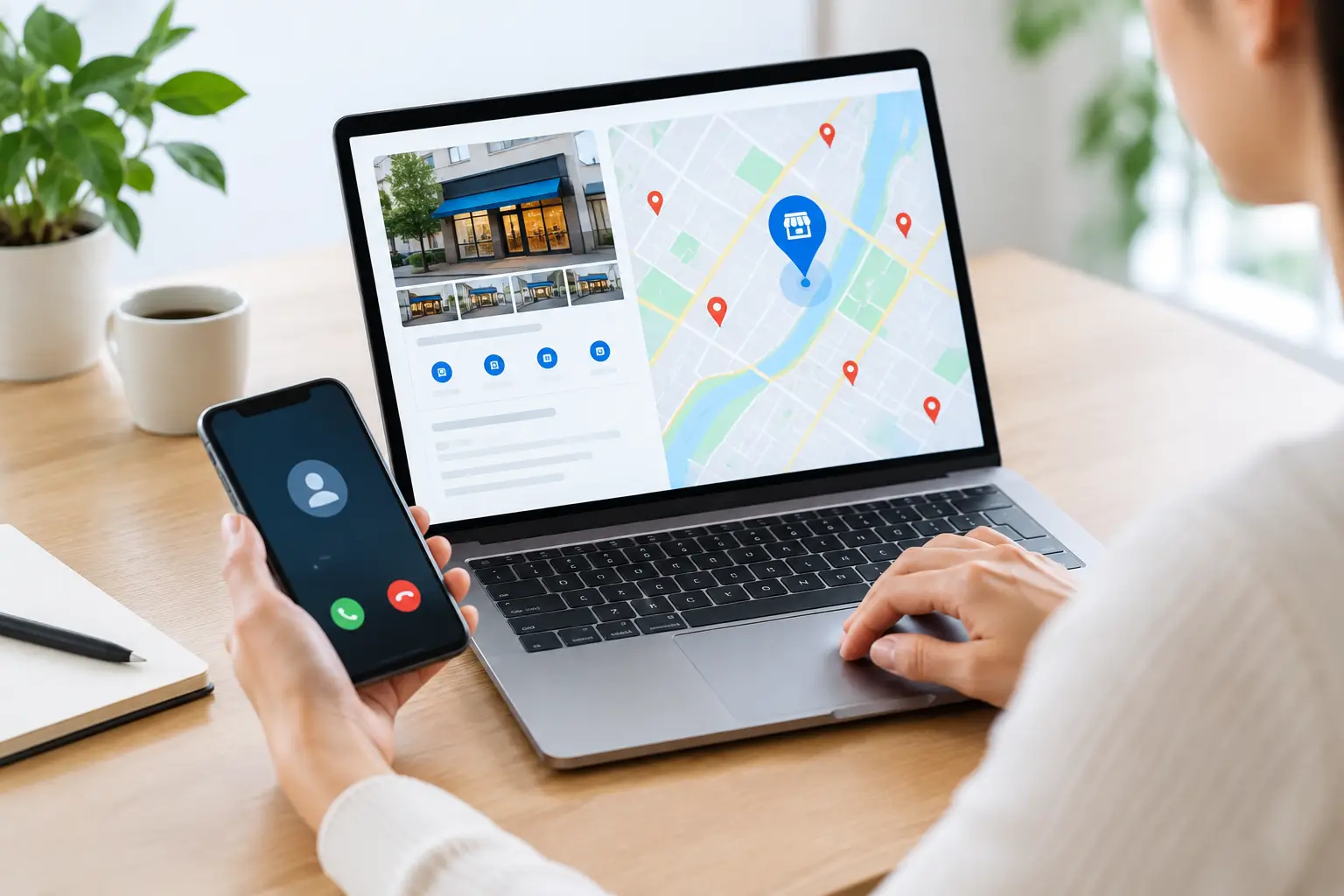
For service businesses, your Google Business Profile, customer reviews, accurate business information, local citations, and location relevance all affect visibility. Your website and local presence should tell the same story about your services, service area, hours, and contact details.
Reviews do not replace SEO, but they strengthen trust when customers compare businesses in local results. A steady, genuine review process is far more useful than a sudden batch of questionable five-star reviews.
Authority takes time to earn
Google looks for signs that other credible sources recognize your business. These signals can include local news coverage, chamber memberships, industry associations, supplier relationships, sponsorships, partner mentions, and useful content that people naturally reference.
Buying random backlinks is not a shortcut worth taking. Low-quality links can create a messy backlink profile without creating real local authority or customer trust. Build relationships that make business sense first. The search value is a byproduct of being visible in the right places.
What to Do in the First 90 Days
The first three months should be about building a foundation, not refreshing rankings every morning like a nervous day trader.
Start by making sure Google can find and index the pages that matter: your homepage, core service pages, location pages where relevant, contact page, and supporting content. Set up measurement so you can track organic impressions, clicks, calls, form submissions, and the pages that drive them.
Next, focus on a small group of high-intent topics. A roofing company might prioritize roof repair, roof replacement, emergency repair, and its core service cities. A bookkeeping firm may focus on small-business bookkeeping, tax-ready books, cleanup services, and industry-specific needs. Build depth around actual customer demand instead of publishing 30 generic blog posts that nobody needs.
Then, improve proof. Add real project photos, specific testimonials, team credentials, service process details, FAQs based on customer conversations, and transparent next steps. These elements help people convert and give search engines stronger context about why your business is relevant.
Finally, create a consistent review and local visibility process. Ask satisfied customers for honest feedback shortly after a successful job. Keep your business information accurate everywhere it appears. If you serve multiple areas, avoid cloning the same location page and swapping city names. Make each page meaningfully local or do not create it.
The 2026 Reality: Google Is Not the Only Discovery Channel
Google rankings remain valuable, but search behavior is expanding. Potential customers increasingly ask AI tools for recommendations, comparisons, and local options before they ever click a traditional result. Google’s AI-generated experiences, ChatGPT, Perplexity, and other answer engines can influence which brands make the shortlist.
That does not mean traditional SEO is dead. It means clear, trustworthy website content is doing double duty. Businesses with well-structured service information, strong reviews, credible third-party mentions, and direct answers to common questions are better positioned for both search results and AI-driven discovery.
The trade-off is simple: chasing every new platform can waste a lean team’s time, while ignoring changing search behavior can leave opportunities on the table. Build the fundamentals first, then expand visibility where your customers actually research and decide.
FAQs
Can a new website rank on Google in a few weeks?
Yes, for branded searches and very low-competition, highly specific keywords. Ranking quickly for competitive commercial searches is much less likely. Early indexing is not the same as durable visibility.
Does publishing more blog posts make a site rank faster?
Only if the posts are useful, targeted, and connected to your services. Ten strong pages that answer customer questions can outperform 100 generic articles written only to fill a content calendar.
Should I run Google Ads while waiting for SEO?
Often, yes. Paid search can generate leads while organic visibility grows, and it can reveal which keywords convert. SEO and PPC work best together when both are measured against lead quality and revenue, not vanity metrics.
A new website does not need instant rankings to become a growth asset. Give it a clear strategy, useful proof, consistent local signals, and enough time to earn trust. The businesses that win are usually not the ones chasing a magic deadline – they are the ones building visibility that keeps producing after the initial launch excitement fades.