

Some SEO tools save time. Others quietly eat your budget while producing a very impressive pile of charts nobody asked for. If you’re trying to figure out the best ai seo tools 2026 for a small business, that distinction matters more than ever.
The market has shifted fast. SEO is no longer just about rankings in ten blue links. Now you’re trying to show up in Google results, AI Overviews, map packs, featured answers, and AI assistants that summarize your business before a customer ever reaches your site. That means the right tool is not just a keyword tracker. It needs to help you make better decisions across search visibility, content quality, technical health, and AI discovery.
For most small businesses, the goal is not owning the most software. It’s getting more calls, more booked jobs, more qualified leads, and more revenue without building a six-person marketing department. So instead of throwing out a giant list of shiny platforms, let’s focus on the tools that are actually worth your attention in 2026.
How we judged the best AI SEO tools 2026
We looked at these tools through a small-business lens. That means ease of use mattered. Pricing mattered. Whether a tool could help a lean team move faster without making risky SEO decisions mattered even more.
The big filters were simple: can it help you find opportunities, create or improve useful content, spot technical issues, and adapt to how AI-driven search is changing visibility? If a platform had great features but required an enterprise budget or a full-time specialist to make sense of it, that trade-off had to be called out.
1. Semrush
Semrush is still one of the most complete platforms on the market, and in 2026 its AI features are more practical than gimmicky. It handles keyword research, competitor analysis, site audits, local visibility tracking, content optimization, and trend monitoring in one place.
For small businesses, the biggest win is breadth. If you do not want five separate subscriptions, Semrush can cover a lot of ground. Its AI-assisted content and SEO recommendations can speed up research and workflow, especially for teams juggling blogs, service pages, and local landing pages.
The downside is cost and complexity. It can feel like buying a commercial kitchen when you mostly need a really good stove. Powerful, yes. But if you only use 20 percent of it, the ROI gets fuzzy.
2. Ahrefs
Ahrefs remains excellent for backlink analysis, keyword research, and competitor intelligence. Its interface is cleaner than many alternatives, and it is often easier for business owners to understand without feeling like they need a decoder ring.
Where Ahrefs shines is helping you answer practical questions. Who ranks above you? Why do they rank? Which pages bring them traffic? What topics are they missing? That kind of clarity is gold for service businesses that need focused moves, not endless data.
Its AI-related features are useful, but Ahrefs is still strongest as a research engine rather than an all-in-one AI visibility platform. If your strategy depends heavily on local SEO and AI search optimization, you may need to pair it with other tools.
3. Surfer SEO
Surfer SEO has become a favorite for content teams that want clear, real-time optimization guidance. It helps structure pages around relevant terms, search intent, headings, and content depth without forcing you to guess what Google might want.
For small businesses publishing service pages, blog posts, and FAQ content, Surfer can reduce the trial-and-error phase. You get a much clearer path from keyword target to publish-ready draft.
That said, Surfer works best when paired with human judgment. If you follow content scoring too mechanically, your page can end up sounding like it was assembled by a very obedient robot. Helpful tool, not replacement brain.
4. Clearscope
Clearscope is one of the better tools for improving content quality and relevance without overcomplicating the process. It is especially strong for teams that care about clean writing, topical coverage, and editorial consistency.
Compared with more aggressive optimization tools, Clearscope feels calmer and more focused. That can be a good thing if your brand depends on trust and clarity, which is true for law firms, home service companies, medical practices, and other credibility-driven businesses.
The trade-off is price. For many small businesses, Clearscope may feel premium unless content marketing is already a serious growth channel.
5. Frase
Frase is a solid pick for businesses that want AI help with research briefs, content outlines, and answering common search questions faster. It is useful for building SEO-friendly content around real queries and topical clusters.
One reason Frase works well for lean teams is speed. You can move from idea to outline to draft support quickly, which matters when marketing keeps getting pushed behind operations, payroll, and whatever else exploded this week.
Its output still needs editing and strategy. But if you need a more budget-conscious content assistant, Frase earns its place on the list.
6. Screaming Frog
Screaming Frog is not flashy, and that is part of its charm. It crawls websites and exposes technical SEO issues like broken links, redirect chains, duplicate metadata, thin pages, missing tags, and indexing problems.
This is one of those tools that can save you from invisible damage. A beautiful website with crawl issues is like a storefront with the lights off. Customers might still find you, but you’re making it harder than necessary.
The interface is more technical than the others, so it is better for agencies, consultants, or in-house marketers with some SEO knowledge. Still, for audits and cleanup, it remains one of the smartest investments around.
7. BrightLocal
If you care about local SEO, BrightLocal deserves serious attention. It focuses on local rank tracking, Google Business Profile performance, citation management, reputation monitoring, and map-pack visibility.
For small businesses that depend on calls, visits, and service-area searches, local SEO is not a side project. It is the revenue engine. BrightLocal helps you track that engine without burying you in enterprise-level extras you may never use.
It is not a complete SEO suite, so you would not use it alone for content strategy or technical depth. But for local visibility, it is one of the best targeted tools on the market.
8. SE Ranking
SE Ranking keeps gaining ground because it offers a lot of value without the pricing shock of some bigger names. You get keyword tracking, audits, competitor research, content tools, and local SEO features in a more approachable package.
This is often a smart middle-ground choice for small businesses that want a capable all-around platform but are not ready for top-tier software costs. It may not lead every category, but it performs well across many of them.
If budget is a real constraint, SE Ranking is one of the most practical options in the best AI SEO tools 2026 conversation.
9. MarketMuse
MarketMuse is built for deeper content strategy. It helps identify topic gaps, build authority clusters, and plan content around broader relevance instead of isolated keywords.
That approach matters more in AI-driven search because visibility increasingly depends on topical completeness and brand credibility. If your site only has a few thin pages, AI systems are less likely to treat you as a trustworthy source.
MarketMuse is best for businesses investing in long-term content growth. If you publish once a month and mostly rely on referrals, it may be more horsepower than you need.
10. ChatGPT
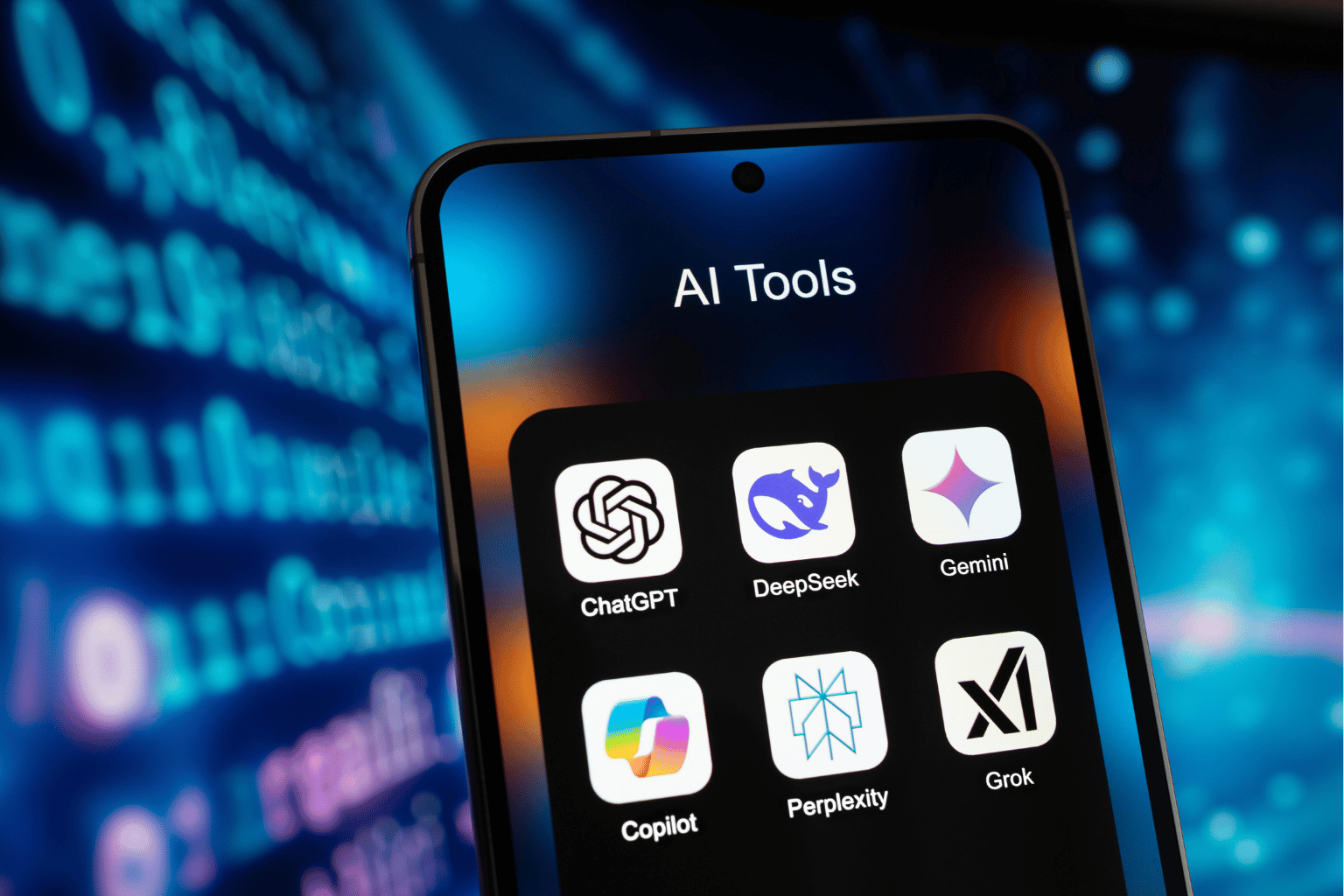
Yes, ChatGPT belongs on this list, but with a giant asterisk. It is not an SEO platform in the traditional sense. It will not replace your auditing tool, rank tracker, or local SEO dashboard. What it does well is accelerate research, content ideation, schema drafting, page rewrites, FAQ generation, and workflow support.
In other words, it is a multiplier. Used well, it helps you move faster and think more broadly. Used badly, it creates generic mush that sounds polished and says nothing.
For small businesses, the key is using it with constraints. Feed it your services, locations, customer objections, differentiators, and real offers. Otherwise you’ll get the same bland copy your competitors are generating.
11. Perplexity for search research
Perplexity is increasingly useful for researching how AI systems interpret topics, summarize brands, and cite sources. It is not a classic SEO tool, but it gives marketers a window into the future of discovery.
That matters because customer journeys are changing. People are asking AI engines direct questions about the best service provider, the right solution, expected cost, and who to trust. If your content does not clearly answer those questions, you risk disappearing from the decision phase.
Perplexity is best used as a research companion, not your main SEO platform. Think of it as an intelligence layer for AI visibility.
Which tool is right for your business?
If you want one broad platform, Semrush or SE Ranking make the most sense. If content is your growth play, Surfer, Clearscope, or Frase can help. If local leads matter most, BrightLocal should be on your shortlist. If technical issues keep holding back performance, Screaming Frog is hard to beat.
And if you’re trying to prepare for where search is going, not where it was two years ago, tools like ChatGPT and Perplexity deserve a place in your process. They will not do the strategy for you, but they can absolutely sharpen it.
The bigger point is this: no software fixes weak positioning, thin content, or a confusing website. Tools are accelerators. They make a smart strategy faster and a bad strategy louder.
That is why many small businesses get better results from a tighter stack and clearer execution than from buying every trending platform on the market. A focused setup, used consistently, will beat an expensive pile of abandoned logins every time.
If you’re choosing carefully, start with the bottleneck. Need more local visibility? Fix that first. Need better content output? Choose a content tool. Need a clearer view of competitors and opportunities? Start there. The smartest SEO stack in 2026 is not the fanciest one. It’s the one your business will actually use well.