

A plumbing company may publish a great page in 2023, rank well for a year, and then quietly lose calls to a competitor with clearer pricing, newer reviews, better service details, and faster answers. That is why the question, how often should you update website content for SEO?, is less about sticking to a rigid calendar and more about keeping every high-value page useful enough to earn the next click, call, or quote request.
For most small businesses, a smart baseline is to review key website content every three to six months and refresh priority pages at least once or twice a year. But not every page deserves the same attention. Your homepage, service pages, location pages, and high-traffic blog posts should get more frequent reviews than an old company announcement or a page that has never driven a lead.
How Often Should You Update Website Content for SEO?
The short answer: update content whenever something meaningful has changed, performance has slipped, or a page no longer answers what customers are asking.
Google does not hand out rankings just because you changed a few words on Tuesday. Random edits can waste time and, in some cases, remove language that was helping a page rank. Search engines reward pages that are accurate, complete, easy to understand, and genuinely useful for the searcher’s current intent.
A practical schedule looks like this:
- Review core revenue pages every three months.
- Refresh local service and location pages every six months.
- Update evergreen blog posts every six to 12 months.
- Revise time-sensitive content immediately when pricing, services, laws, products, staff credentials, or local information changes.
- Check pages with declining traffic or conversions as soon as you spot the drop.
The goal is not to keep your website busy. The goal is to keep it competitive.
Start With Pages That Affect Revenue
If you run a lean business, you do not have time to polish every old blog post before lunch. Prioritize the pages closest to a sale.
For a local service business, that usually means the homepage, primary service pages, city or neighborhood pages, contact page, and any landing page connected to paid advertising. For an ecommerce brand, focus first on category pages, top-selling product pages, buying guides, and pages that support seasonal demand.
Ask a simple question: if this page improved by 20%, would it produce more calls, booked appointments, store visits, or sales? If the answer is yes, it belongs near the top of your update queue.
A thin service page that says, “We offer HVAC repair in Los Angeles,” is rarely enough anymore. A stronger update might explain the types of systems you repair, warning signs customers should watch for, your service area, what happens during a visit, financing options, emergency availability, and real proof that your team can do the work. That is not filler. It reduces hesitation and helps search engines understand the page.
Refresh Content When Search Intent Changes
Search behavior changes even when your business does not. Customers may start asking more specific questions, comparing options differently, or looking for answers inside AI search tools rather than clicking through ten blue links.
For example, a page targeting “best accountant for small business” may have once needed a broad overview of tax services. Today, searchers may expect direct answers about entity structure, bookkeeping software, quarterly taxes, IRS notices, and virtual appointments. If competitors are answering those questions more clearly, their pages may become the better result.
Review the actual search terms bringing visitors to your pages. Look for questions, modifiers, and local phrases that are missing from the content. If people search for “same-day water heater repair,” but your page only discusses installation, a refresh should address that service directly if you offer it.
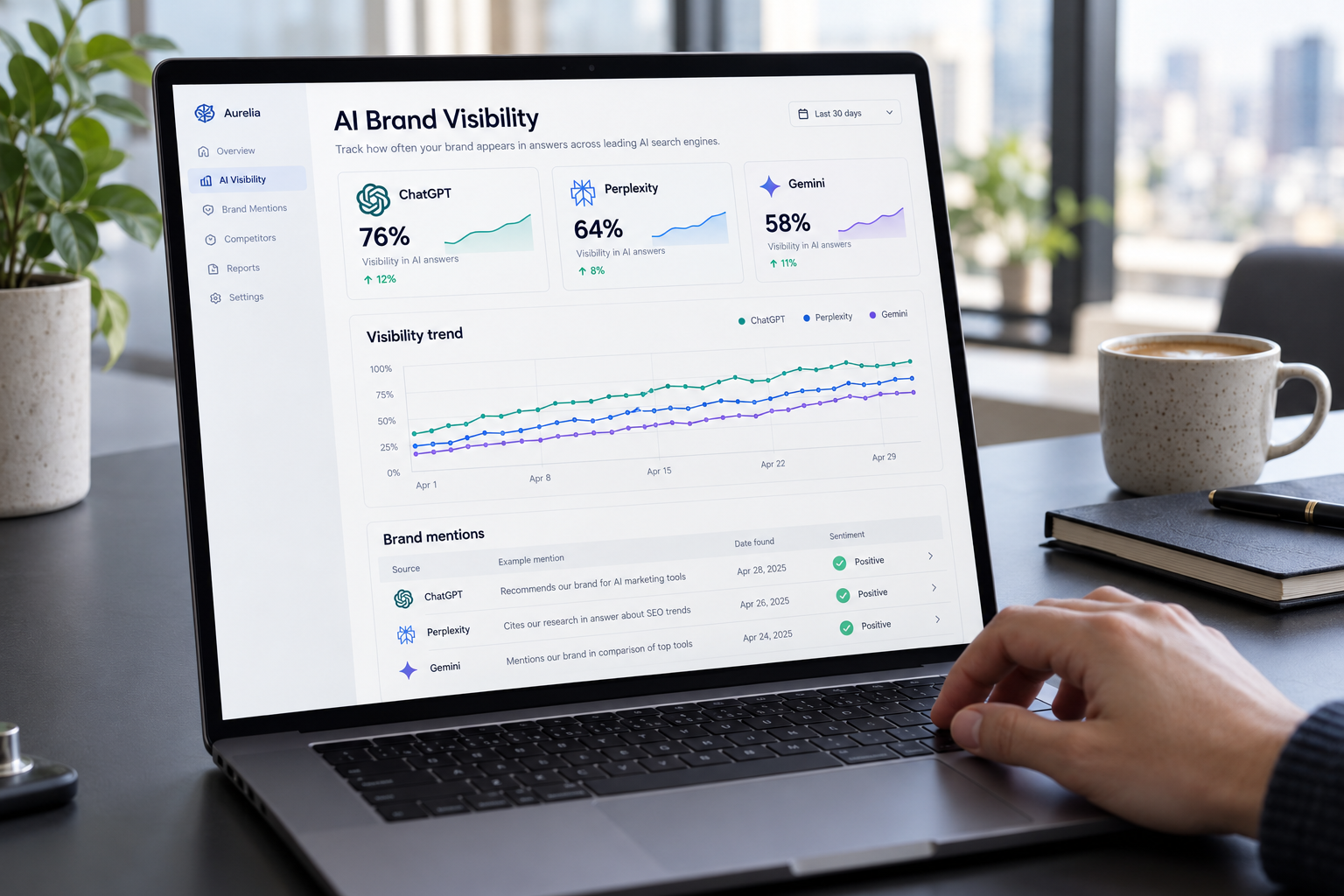
This matters for AI visibility, too. ChatGPT-style search experiences and AI summaries tend to favor content that is structured, specific, factual, and easy to quote or summarize. Vague marketing copy gives these systems very little to work with.
Do not confuse freshness with constant rewriting
A page does not need a complete rewrite every quarter. Often, the right update is targeted: add a relevant FAQ section, improve a weak explanation, replace outdated photos, clarify service areas, include current proof points, or tighten the call to action.
Changing a page’s publish date without making substantive improvements is not a content strategy. Neither is adding a paragraph simply because someone said Google likes fresh content. Freshness matters most where the information itself can become stale.
What Counts as a Meaningful Content Update?
Meaningful updates improve accuracy, usefulness, trust, or conversion potential. They make a page better for a real person, not just longer for a crawler.
For small businesses, useful updates commonly include new service details, current pricing guidance where appropriate, updated business hours, revised service areas, staff certifications, recent customer questions, project photos, case studies, testimonials, and clearer next steps. You may also need to update internal wording when your business changes how it handles estimates, warranties, appointments, deliveries, or payment options.
Technical housekeeping matters as well. Fix broken images, outdated title tags, duplicate page copy, broken forms, slow-loading sections, and mobile formatting issues. Great content cannot convert if the quote form fails or the phone number is wrong.
If a page already ranks but does not generate leads, focus on the conversion gap. Add stronger proof, clearer calls to action, better page organization, and answers to objections. A business owner does not need traffic that behaves like window shoppers. You need qualified visitors who know what to do next.
Use Performance Data to Set the Schedule
Your ideal update frequency should come from evidence, not guilt about an old blog calendar.
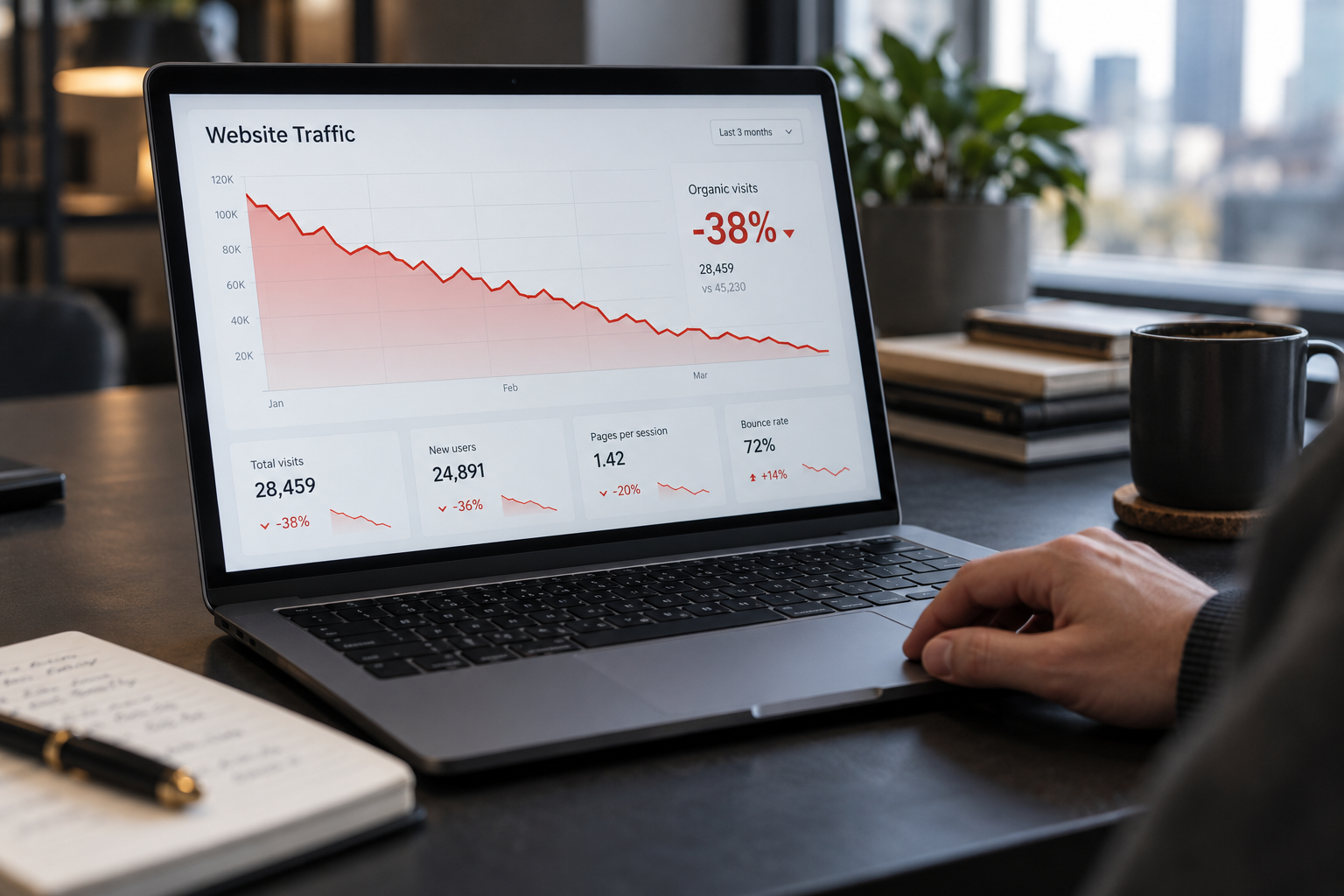
Check organic traffic, rankings, impressions, click-through rate, engagement, phone calls, form submissions, and assisted conversions. A page that has steadily gained impressions but gets few clicks may need a more compelling title and description. A page with traffic but no inquiries may be targeting the wrong audience or failing to build confidence.
Watch for these warning signs:
- Organic traffic falls for several weeks or months.
- A formerly strong keyword slips off the first page.
- Competitors publish better, more complete pages.
- Your information is no longer accurate.
- Visitors leave quickly or do not take the next step.
- New customer questions reveal gaps in the page.
Seasonality also changes the rhythm. A roofing company should refresh storm-damage and emergency repair content before peak weather periods. A tax firm should review key pages before tax season. A retailer should update gift guides and seasonal category pages well ahead of the buying rush, not after it arrives.
Build a Content Refresh System Your Team Can Maintain
The biggest SEO mistake is creating a massive list of updates that no one can sustain. A lighter system usually wins.
Start with an inventory of your most important pages. Mark each one as high, medium, or low business value. Then assign a review month, an owner, and one measurable goal. For example, a dental implant page may be reviewed in January with the goal of increasing consultation requests. A city landing page may be reviewed in April with the goal of improving local impressions.
During each review, verify facts first. Then compare the page against the questions prospects ask on calls, in emails, and during sales conversations. Those questions are content opportunities hiding in plain sight.
Finally, record what changed and monitor results. SEO rarely works like a light switch, but documented updates help you see which improvements lift visibility and which ones increase leads. That makes future decisions much easier than relying on opinions in a crowded meeting.
Frequently Asked Questions
Should I update old blog posts or create new ones?
Do both, but start with the option that has the strongest business case. Updating an older post that already has traffic, backlinks, or rankings can be faster than starting from zero. Create a new page when the topic has a distinct search intent that deserves its own focused answer.
Will updating content hurt my rankings?
It can if you remove useful sections, change the topic too drastically, or replace a focused page with generic copy. Protect what already works, then improve accuracy, depth, clarity, and conversion elements. Make deliberate changes rather than redesigning a page because it feels old.
How often should local businesses update their website?
Most local businesses should review core pages quarterly and complete meaningful updates every six months. Update business details immediately when hours, services, staff, service areas, or policies change. Local accuracy is not optional when a customer is deciding whether to call.
A good website is not a brochure you publish once and forget. It is a working sales asset that should get sharper as your business learns more about its customers. Start with one page that matters, make it more useful than it was yesterday, and let the results tell you where to improve next.