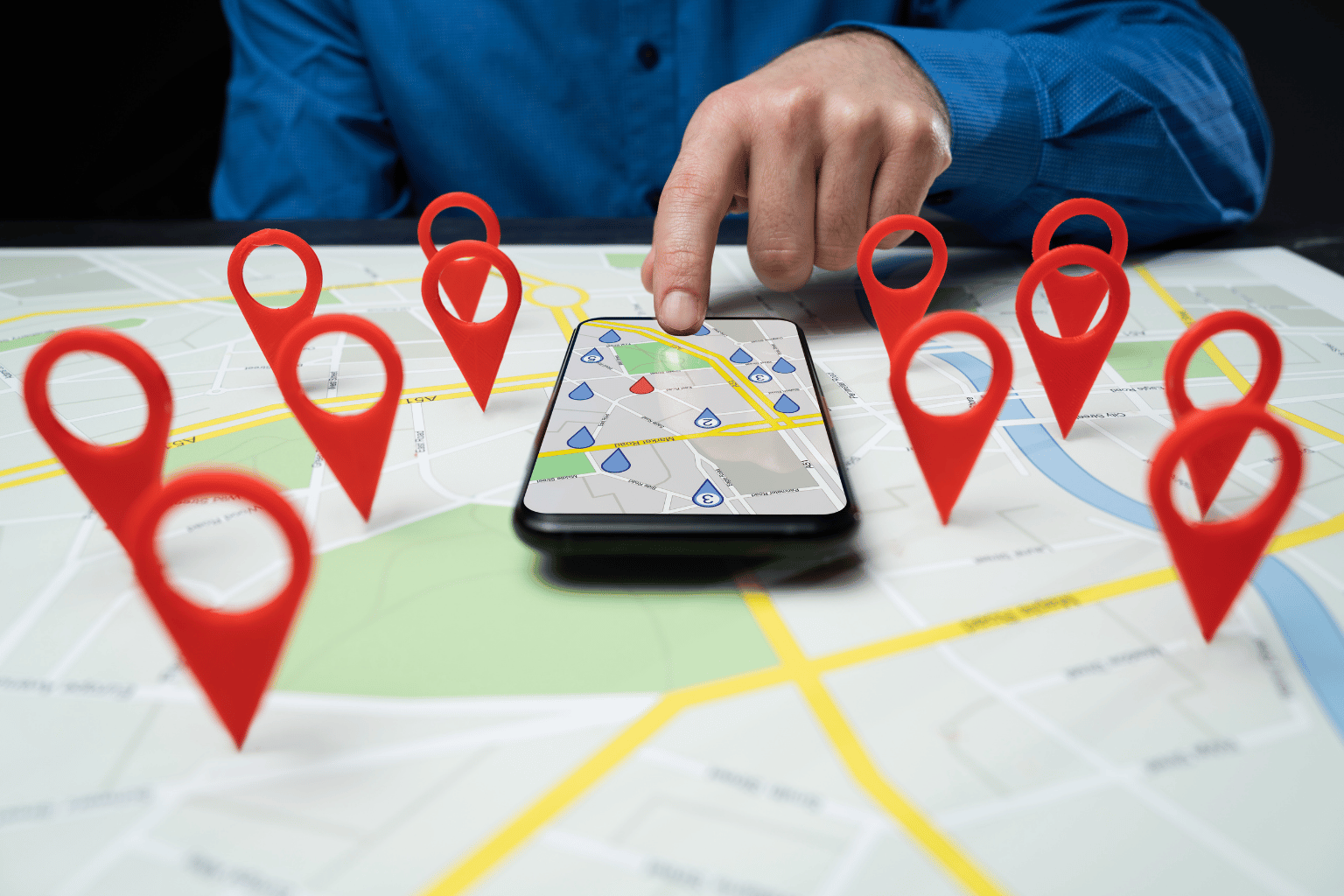


A potential client searches “car accident lawyer near me” from a hospital waiting room or “divorce attorney in Los Angeles” after midnight. They are not researching marketing theory. They are looking for a credible lawyer who serves their problem, their location, and their timeline. Local SEO for lawyers is what puts your firm in that short list when the decision matters.
For most law firms, local visibility is not about chasing vanity rankings. It is about earning more qualified calls, consultation requests, and cases from the geographic areas you can actually serve. The firms that win locally make it easy for Google, AI search tools, and prospective clients to understand three things: what they do, where they do it, and why they are trustworthy.
What local SEO for lawyers actually does
Local SEO helps a law firm appear when people search for legal services tied to a city, neighborhood, or “near me” intent. That includes Google Maps results, the local map pack, standard organic listings, and increasingly, AI-generated answers that compare nearby options before a searcher clicks.
A strong local presence is built from several connected signals: an accurate Google Business Profile, a technically sound website, practice-area pages with local relevance, credible reviews, local mentions, and consistent business information across the web. None of these is magic on its own. Together, they reduce doubt for both search engines and clients.
A firm in Los Angeles may want visibility across West LA, Downtown, Pasadena, Glendale, or the South Bay. But creating thin pages for every zip code is not a strategy. It is digital confetti. Local pages need a real reason to exist, such as a specific office location, meaningful local case experience, relevant court-area information, or a clearly defined service area.
Start with your Google Business Profile
Your Google Business Profile is often the first impression a local searcher gets of your firm. It can produce calls before someone ever visits your website, which makes accuracy and quality non-negotiable.
Use your real firm name, correct address, primary phone number, website, hours, and appointment details. Select the most relevant primary category for the firm, then add appropriate secondary categories only when they reflect services you genuinely provide. A personal injury firm should not add criminal defense simply because the category gets searches.
Write a clear description in plain English. Explain your primary practice areas, the communities you serve, and what a new client can expect when they contact you. Add professional office photos, attorney photos, signage, and images that help people recognize the business. Stock courtroom gavels do not build much confidence.
If your firm serves clients at their locations but does not receive clients at an office, follow Google’s service-area business rules carefully. Do not use virtual offices, mailboxes, or fake locations to manufacture map rankings. Those shortcuts can trigger profile suspensions, and recovering from one is far less fun than it sounds.
Keep one version of your firm details everywhere
Your name, address, and phone number should be consistent across your website, Google Business Profile, legal directories, social profiles, and local business listings. Small variations are not always disastrous, but conflicting information makes verification harder and sends mixed signals.
This is especially relevant for firms with multiple attorneys, offices, tracking numbers, or name changes after a merger. Use call tracking thoughtfully. The main business number should remain visible and consistent, while tracking can be implemented in a way that preserves reliable business data.
Build pages around cases and communities
Your homepage should establish the firm’s main services and geographic footprint. Then, create focused practice-area pages that answer the questions prospective clients actually have. A strong page for employment law should not read like a general legal encyclopedia. It should explain the types of matters handled, who may qualify for help, what evidence or documents to prepare, and how consultations work.
For local relevance, include natural details that are useful to clients. Mention the cities served, nearby courts where appropriate, local regulations when relevant, and the firm’s availability for in-person or remote meetings. Avoid stuffing city names into every sentence. Search engines have seen that trick, and clients can smell it from a mile away.
Each important page should have a clear next step: call, request a consultation, or submit a confidential intake form. Make that action easy on mobile. Legal searches are often urgent, and a slow site or buried phone number can send a high-value lead to the next firm in seconds.
Publish content that answers high-intent questions
Blog content can support local rankings, but only if it serves a business purpose. Prioritize questions that arise before or during a consultation, such as deadlines, what to bring to a meeting, what happens after an arrest, or whether a particular incident may justify a claim.
The best content is specific, current, and reviewed for legal accuracy. It should never promise outcomes or create an attorney-client relationship. Add appropriate disclaimers and ensure all messaging aligns with your state bar’s advertising and ethics rules.
Reviews are a trust signal, not a one-time project
People hiring a lawyer are assessing risk. Reviews help them evaluate professionalism, responsiveness, and the client experience before they share personal details. A consistent flow of genuine reviews can improve conversion rates and reinforce local relevance.
Ask for feedback at appropriate points in the client journey, using a process that respects confidentiality and professional conduct rules. Do not pressure clients, offer incentives for positive reviews, or reveal case details in a public response. A simple, professional request is often enough.
Responding to reviews matters, but legal firms need extra restraint. Thank the reviewer without confirming they were a client or discussing their case. Keep replies brief, courteous, and privacy-conscious. One defensive response can do more reputational damage than a dozen five-star ratings can repair.
Earn local authority beyond Google Maps
Google Business Profile optimization is necessary, but it is not the whole job. Local authority also comes from credible third-party mentions. Think respected legal directories, local chambers, community organizations, professional associations, reputable media coverage, and sponsorships that reflect real involvement.
The goal is not to collect every directory listing on the internet. Focus on accurate, relevant sources that a real client or search engine would trust. A link or citation from a legitimate local organization can carry more value than a pile of low-quality directory placements.
For multi-location firms, give each office its own well-maintained location page and profile where eligible. Each location needs its own legitimate address, local phone details, and useful content. Cloning the same page and swapping city names creates a weak experience and can dilute performance.
Prepare for AI-driven legal discovery in 2026 and beyond
Local search is no longer limited to ten blue links. People increasingly ask AI platforms questions such as, “Who are reputable employment lawyers near Santa Monica?” or “What should I do after a rideshare accident in California?” These tools often synthesize information from business profiles, websites, reviews, directories, and trusted publications.
That changes the standard for law firm content. Clear entity information matters. Your site should make attorney credentials, office locations, practice areas, service boundaries, and contact options unmistakable. Structured data, well-organized pages, and concise answers can help systems interpret the firm correctly, although no agency can guarantee inclusion in an AI answer.
The trade-off is simple: broad, vague content may attract impressions, while precise local content is more likely to attract people who can become clients. For a lean firm, the second outcome is usually the one that pays the bills.
Measure leads, not just rankings
Rankings fluctuate by location, device, search history, and competition. A report showing that you rank first from your office computer is not proof that your marketing is working. Track the outcomes that matter: qualified calls, consultation forms, booked meetings, signed cases, cost per lead, and, where possible, revenue by source.
Review which practice areas and locations produce the best cases, not merely the most inquiries. A high volume of unqualified calls may point to unclear messaging, overly broad targeting, or an intake process that needs improvement. SEO and intake should work together. Traffic without follow-up is just an expensive popularity contest.
Frequently asked questions
How long does local SEO take for a law firm?
Some improvements, such as fixing a profile or improving a location page, can affect visibility within weeks. Competitive markets and high-value practice areas usually require several months of consistent work. The timeline depends on your starting point, competition, review profile, website quality, and geographic target.
Can lawyers rank in multiple cities?
Yes, if the firm genuinely serves those cities and creates useful content around each market. Firms should not create fake offices or duplicate pages simply to rank in places where they have no meaningful presence.
Is Google Business Profile enough for local leads?
No. It is a major asset, but your website, reviews, local citations, reputation, and intake experience all influence whether visibility turns into signed clients.
The practical next move is to search for your firm the way a stressed prospective client would: by practice area, city, and “near me.” Then ask one honest question: does every result make it obvious why someone should call you instead of the firm next to you? Fix the gaps with intent, and local growth becomes far more predictable.