
A five-location business does not need five disconnected marketing plans. It needs one growth system that lets every location show up when a nearby customer searches, asks an AI assistant for a recommendation, or compares options on a map. That is the real job of local SEO for multiple locations: making each branch easy to find, trust, and contact without creating a mess of duplicate content and conflicting business information.
For a small business owner, the stakes are practical. A customer searching “emergency plumber near me” in Pasadena should reach the Pasadena team, not a generic corporate page or an office 35 miles away. The same applies to dental groups, med spas, legal offices, fitness studios, restaurants, and home service companies. More accurate local visibility means better leads, fewer wasted calls, and a clearer return on marketing spend.
Why multi-location local SEO gets complicated fast
Single-location local SEO is fairly straightforward: one website, one primary service area, one business profile, and one set of local signals. Add locations and the rules change. Google and AI-driven search tools need to understand where each office is, what it offers, who it serves, and how it differs from the next branch.
The common mistake is treating every location as a copy-and-paste exercise. Owners duplicate a page, swap the city name, reuse the same photos, and call it done. Search engines can spot that pattern. More importantly, customers can too. A location page that says almost nothing specific gives a visitor no reason to believe that office is active, relevant, or equipped for their need.
The opposite mistake is overbuilding. Creating dozens of thin service-area pages for every neighboring city may look like coverage, but it can dilute authority and create maintenance headaches. The right scale depends on your physical locations, service model, competition, and whether customers visit you or you travel to them.
Build a location structure that makes sense
Start with a clean website architecture. Your main site should explain the company as a whole, while each physical location gets a dedicated, indexable page. Think of the main site as headquarters and the location pages as fully staffed local offices – not doorway pages with a new ZIP code pasted in.
Each location page should clearly include the address, local phone number when available, hours, directions, services offered at that branch, parking or access details, and a direct call to action. If a service is not actually offered at a location, do not imply that it is. Accuracy beats wishful targeting every time.
Make every location page genuinely local
The strongest pages answer questions a nearby prospect actually has. Mention the team serving that location, neighborhood landmarks when useful, local project examples, location-specific reviews, and services with real local demand. A Los Angeles HVAC company, for example, might explain its response area, building types it commonly serves, and how customers can schedule an estimate from that office.
Do not force city names into every sentence. That reads like marketing written by a malfunctioning GPS. Use natural language, useful details, and proof that the location is real.
Add structured business information consistently across the site, including the exact business name, address, phone number, hours, map details, and service categories. This helps search platforms connect the page to the correct business entity. It also makes life easier when a customer is ready to call from a phone.
Treat every Google Business Profile like a storefront
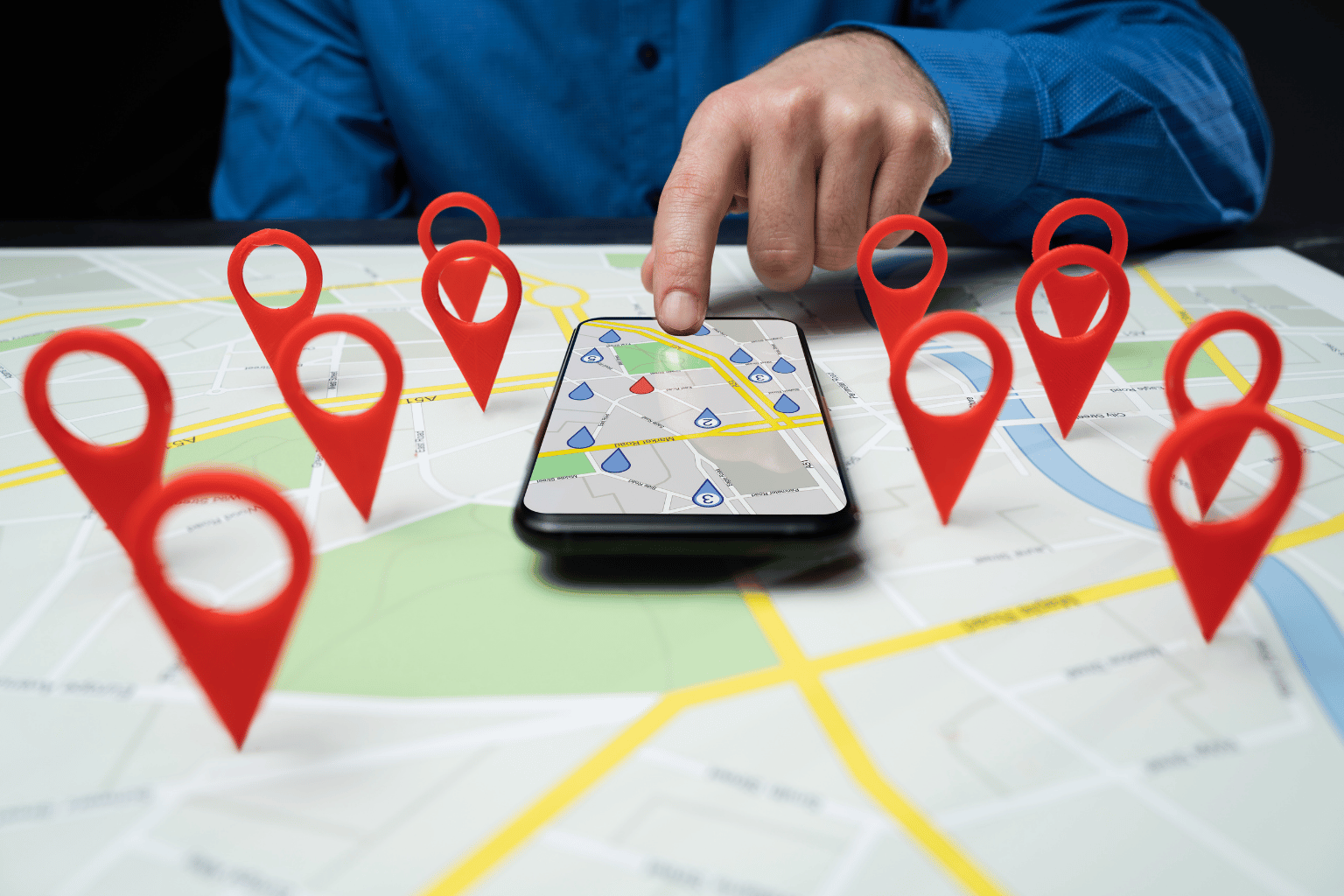
A Google Business Profile is not a set-it-and-forget-it listing. For multi-location brands, it is often the front door of each branch in local results and Google Maps. Every eligible physical location should have its own profile, using its real-world address and a phone number that routes customers properly.
Keep the core information consistent, but do not assume every profile should look identical. Categories, hours, photos, services, appointment links, and updates should reflect what that specific location provides. A profile for a downtown office with evening appointments should not display the same schedule as a suburban branch that closes at five.
Reviews deserve operational attention, not just marketing attention. Ask customers for reviews in a compliant, consistent way after a completed visit or job. Then respond as the local team. Specific, professional responses show prospects that the branch is active and accountable.
Avoid virtual offices, fabricated addresses, keyword-stuffed business names, and duplicate listings. Those shortcuts can create verification problems, customer confusion, or profile suspensions. A suspended profile is not a clever growth tactic. It is a lead leak.
Keep local data under control
Multi-location visibility breaks when business information drifts. One directory says Suite 200, another says Ste. 200, a social profile lists old hours, and a map pin points customers to the back of a shopping center. Individually, these may look minor. Together, they weaken trust and send customers on a scavenger hunt.
Create one source of truth for every branch: approved name format, address, phone number, hours, booking URL, service categories, opening date, and profile owner. Update that record first whenever a location moves, changes hours, or adds services. Then update the website, business profiles, directories, social accounts, and paid ad assets.
This is especially critical after an acquisition, rebrand, relocation, or office closure. Old listings can keep generating calls, reviews, and directions long after they are useful. Clean transitions protect both search visibility and customer experience.
Earn local authority beyond the map listing
Google Business Profiles matter, but they cannot carry the whole strategy. Strong multi-location SEO combines map visibility with local organic pages, useful content, credible mentions, and a website that converts.
For each market, look for legitimate proof of local relevance. That could include community sponsorships, local chamber participation, partnerships, neighborhood event involvement, local press coverage, or case studies from that area. The point is not to chase random backlinks. The point is to build signals that support a real local presence.
Content can help when it solves a specific regional question. A roofing company might publish guidance on permit considerations in its service markets. A family law firm may explain county-level filing basics while clearly avoiding legal advice. A generic “best services in every city” article will not do much besides consume a Tuesday afternoon.
Prepare for AI search without chasing shiny objects
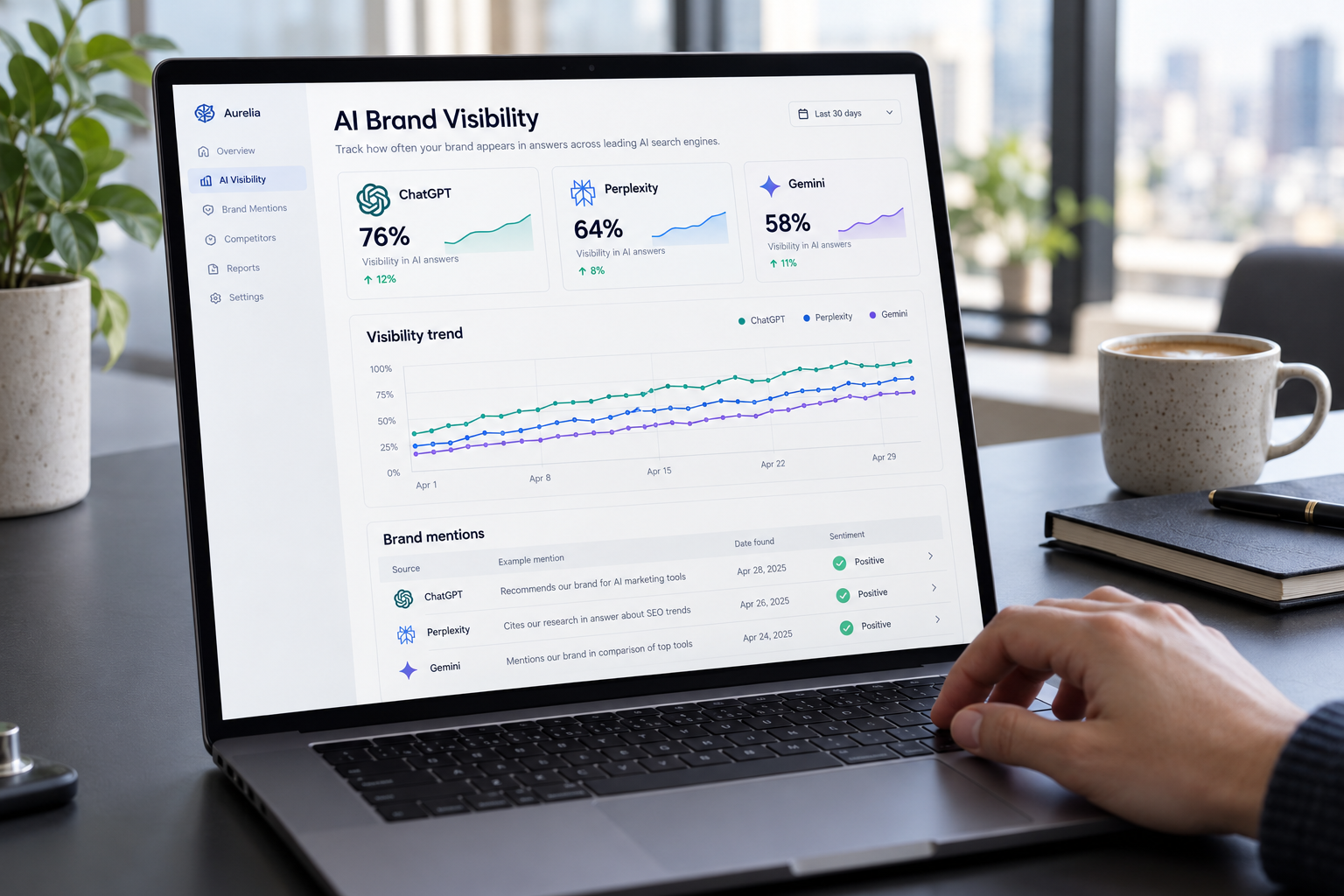
Search is no longer limited to ten blue links and a map pack. Customers increasingly ask AI tools for nearby recommendations, service comparisons, and quick answers before they ever click a website. That does not replace local SEO. It raises the cost of unclear information.
AI systems are more likely to surface brands with consistent facts, clear service pages, credible third-party mentions, helpful answers, and visible proof of experience. For multi-location businesses, this means each branch needs accurate data and each service needs a clear explanation. If an assistant cannot tell which location handles a customer’s need, it may recommend a competitor that is easier to understand.
Focus first on the basics: accurate location pages, strong profiles, reviews, and local authority. Then build concise answers to high-intent questions on the site. AI visibility is not magic dust. It is the result of making your business easy to verify and easy to recommend.
Measure location-level results, not vanity totals
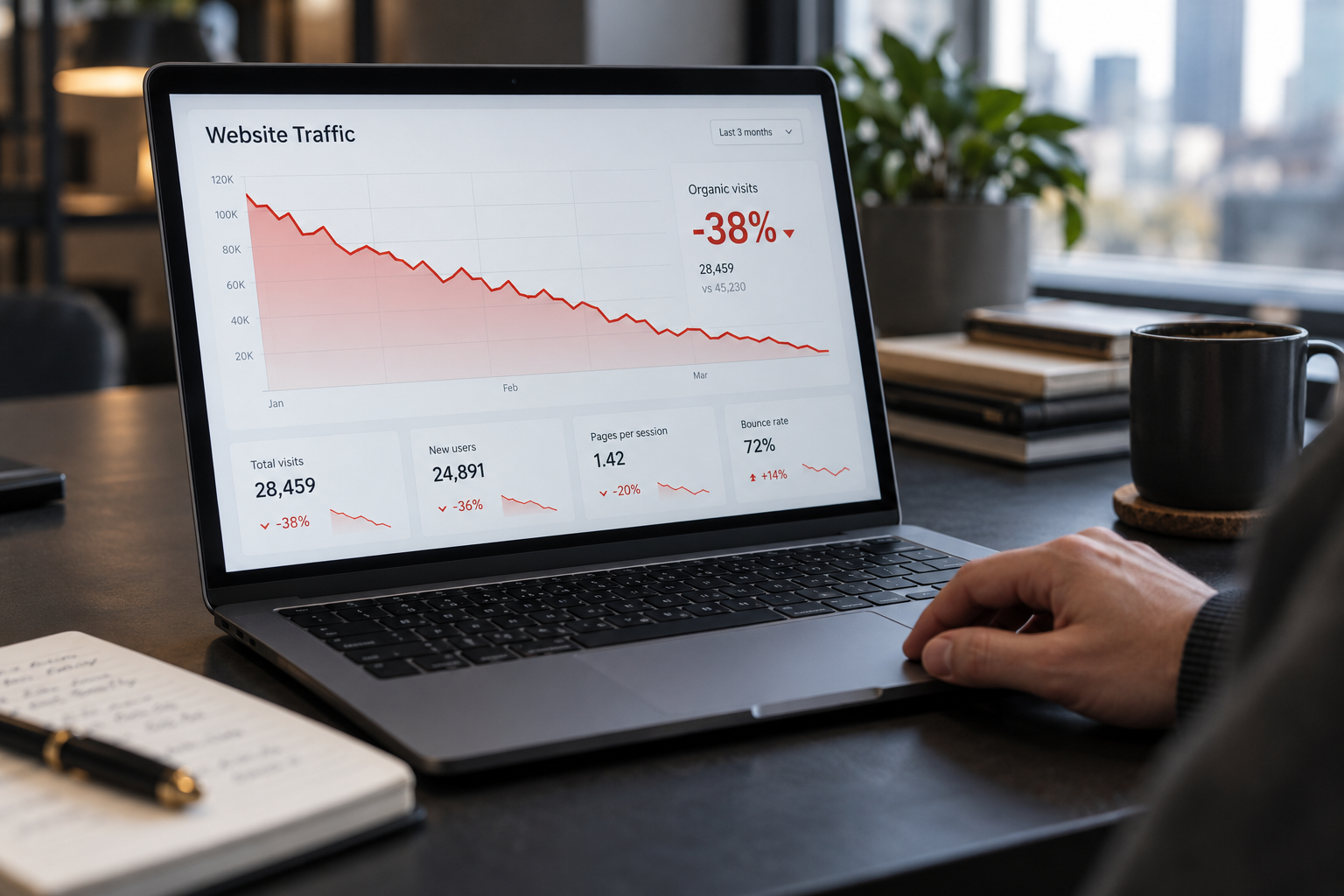
A combined traffic chart can hide a serious problem. One high-performing branch may make the entire campaign look healthy while two other locations are invisible. Track performance by location whenever possible: calls, direction requests, form fills, booked appointments, rankings for priority services, qualified leads, and revenue.
Pay attention to lead quality. More impressions are nice, but they do not pay payroll. If a location is getting plenty of visibility but few qualified inquiries, inspect the page, profile categories, service descriptions, review mix, and conversion path. Sometimes the SEO is working, but the offer or landing experience is not.
At LAv1, this is where a tailored strategy matters. A franchise-like footprint, a regional service business, and a multi-office professional practice can all have five locations, yet require very different local search plans.
A practical multi-location SEO checklist
Before expanding your local SEO program, make sure every branch has these foundations in place:
- A unique, useful location page with correct contact details and services
- A verified, actively managed Google Business Profile for each eligible location
- Consistent business data across the website, maps, directories, and social profiles
- A reliable process for requesting and responding to location-specific reviews
- Location-level tracking for calls, leads, appointments, and revenue
- Clear ownership for updates when a branch moves, changes hours, or closes
FAQ
Can multiple locations use the same phone number?
They can, particularly when a central team handles all calls, but location-specific tracking numbers can provide cleaner attribution. If you use tracking numbers, keep your primary business number visible and ensure the setup does not create conflicting data across listings.
Should every location have its own social media account?
Not always. Separate accounts make sense when each branch has enough local activity, staff, and audience demand to maintain them. A neglected location account can look worse than a well-managed central brand account that regularly features each market.
How long does multi-location local SEO take?
Technical fixes and profile improvements can affect visibility relatively quickly, but durable gains usually take months. Competitive markets, new locations, weak review profiles, and inconsistent business data can extend the timeline. The goal is not a temporary ranking spike. It is a dependable pipeline of local demand for every branch.
Your next customer is not searching for your organizational chart. They are searching for a nearby business that looks credible, available, and easy to choose. Give every location the clarity to win that moment.