
A potential customer searches, “How much does a water heater replacement cost in Los Angeles?” Google gives them a quick answer. ChatGPT or another AI tool may do the same. They might never click a website before deciding who to call.
That is exactly why a zero click content strategy matters for small businesses. The goal is not to celebrate losing website traffic. It is to make sure your business is the useful, credible source that appears when customers want an answer right now. When search results and AI summaries do more of the explaining, visibility has to work harder than a blue link.
What a Zero Click Content Strategy Actually Means
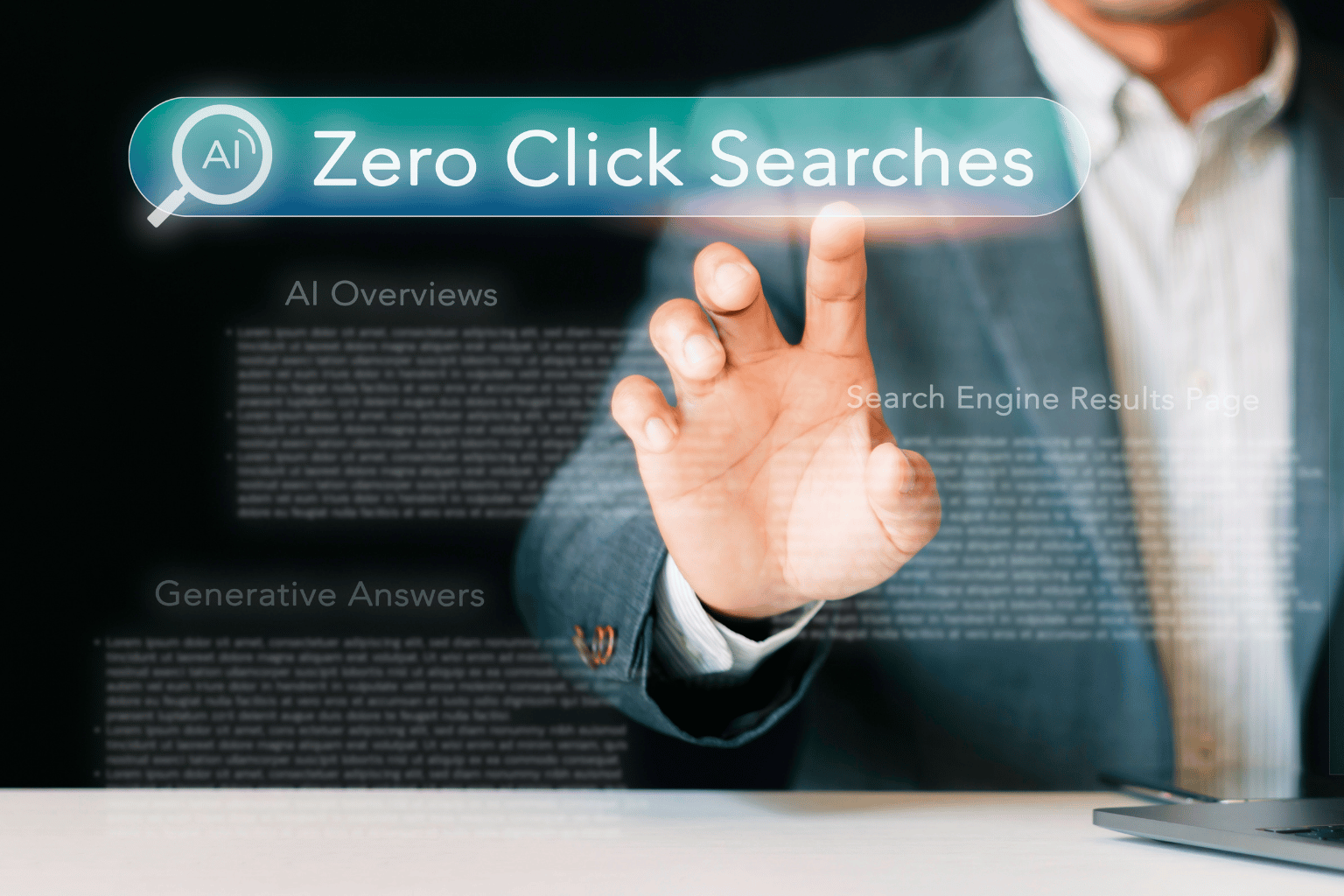
Zero-click content is content designed to answer a question directly on the platform where the question is asked. That can include Google’s search results, map listings, social media posts, AI-generated answers, and business profiles. The user gets value without visiting your site.
For a business owner, that can sound like a bad deal. You invested in content, and someone else displayed the answer. But clicks have never been the only signal of business impact. A homeowner who sees your clear pricing guidance, checks your reviews, and calls your office has completed a valuable journey even if analytics records no blog visit.
The better question is not, “How do we force every searcher onto our website?” It is, “How do we become the business they remember and trust when they are ready to act?”
A smart strategy still supports your website. Your site remains the place for service details, proof, estimates, booking, and conversion. Zero-click content simply meets people earlier, when they are gathering information and comparing options.
Why Zero-Click Search Is Changing Local Marketing
Search behavior is becoming more answer-driven. Google surfaces map packs, reviews, business details, featured snippets, product information, and AI-generated summaries before many organic results. AI search tools can condense multiple sources into one response. For busy customers, that is convenient. For businesses relying only on traditional rankings, it changes the playing field.
Local service businesses feel this shift especially hard. A person looking for an emergency plumber, family dentist, auto repair shop, or business attorney often wants a fast answer, a nearby option, and evidence that the company is legitimate. They do not always want to read five 2,000-word articles first.
That does not mean long-form SEO is dead. It means every piece of content needs a job. Some pages should earn rankings and leads. Some should supply concise, trustworthy facts that search engines and AI systems can understand, quote, and connect to your brand.
The trade-off is simple: zero-click visibility can be harder to measure than form submissions. It can also create demand before a buyer reaches your site. If calls, branded searches, direction requests, and qualified leads rise while blog clicks flatten, the strategy may be working better than a traffic-only report suggests.
Build Your Zero Click Content Strategy Around Real Questions
Start with the questions your customers ask before they buy. Not vague marketing phrases. Actual questions from phone calls, estimate requests, sales conversations, reviews, and customer service emails.
A roofing company might hear, “Will insurance cover this?” A med spa may hear, “How long is the recovery time?” A local accountant may get, “What documents do I need for tax filing?” These are high-value questions because they reveal hesitation. Answer them clearly, and you reduce friction before the prospect even contacts you.
Give the direct answer first
Do not bury the useful information under a dramatic introduction. Lead with a concise answer in one or two sentences, then add the context a customer needs. This structure helps people, supports featured-result opportunities, and gives AI systems clean material to interpret.
For example, instead of opening an HVAC page with, “Maintaining a comfortable home is essential,” say: “In Los Angeles, a standard AC tune-up typically takes 60 to 90 minutes, depending on the system’s condition and accessibility.” Then explain what the visit includes, what can change the time, and when repair may be needed.
Direct does not mean oversimplified. If pricing, timelines, or eligibility depend on circumstances, say so. Customers can spot vague marketing from a mile away, usually while closing the tab.
Create content for the full decision, not just the keyword
A search like “best kitchen remodeler near me” may look like a local SEO opportunity, but the customer also wants to know about budget ranges, permits, timelines, materials, financing, and what a trustworthy contractor looks like. Build content that answers those adjacent concerns.
Useful zero-click assets often include service FAQs, short comparison pages, location-specific guidance, Google Business Profile updates, review responses, social posts, and concise videos. The format depends on where your customers look. A B2B consultant may benefit from LinkedIn thought leadership. A local salon may get more traction from maps, reviews, and short visual content.
Make Your Brand Easy for Search Engines and AI to Trust
Being helpful is only half the equation. Search engines and AI platforms need enough consistent information to understand who you are, what you do, where you operate, and why your guidance deserves attention.
Your business name, primary services, service areas, contact details, hours, credentials, and customer proof should be accurate everywhere customers may find you. A business that calls itself “LA’s top emergency plumbing expert” on one profile, “residential plumbing specialists” on another, and “general contractors” on its website creates avoidable confusion.
Specificity is your advantage. Instead of claiming you offer “quality legal help,” explain the type of cases you handle, the communities you serve, the process clients can expect, and the questions they should ask before hiring anyone. Real experience, clear policies, original photos, team bios, reviews, and case-based explanations make content more credible than generic copy ever will.
For regulated industries, be especially careful. Medical, legal, and financial content should be reviewed for accuracy and should never promise outcomes that cannot be guaranteed. A zero-click answer travels fast. So does a misleading one.
Optimize for Actions That Do Not Look Like Clicks
A zero click content strategy should change how you report performance. Website sessions still matter, but they are not the whole scoreboard.
Track the signals that show growing visibility and intent:
- Branded searches for your company name and services
- Google Business Profile calls, direction requests, messages, and website actions
- Search impression growth for non-branded and local queries
- Phone leads that mention Google, AI tools, social media, or a specific answer they saw
- Review volume, review quality, and recurring language customers use to describe your business
Ask new leads one simple question: “How did you hear about us?” Then record the answer consistently. It is not glamorous, but it often reveals the gap between what dashboards report and how customers actually discover you.
Also watch lead quality. More visibility is not automatically better if it brings price shoppers from outside your service area or inquiries for services you do not offer. Refine your content with geographic details, service boundaries, qualifying information, and realistic pricing context when appropriate.
Where Small Businesses Commonly Get It Wrong
The biggest mistake is treating zero-click content as a reason to publish shallow answers everywhere. Copying the same generic paragraph into every profile may create noise, but it does not build authority.
Another mistake is giving away information without a next step. If someone reads your answer and wants help, make the path obvious. Your content should naturally identify when professional support is needed, what happens next, and how to contact the business. Helpful is good. Helpful with a clear route to action is better.
Finally, do not abandon conversion-focused website content. Some customers will click, especially for expensive, complex, or high-trust purchases. They need detailed service pages, proof of results, reviews, FAQs, transparent expectations, and an easy way to request help. Zero-click visibility earns the introduction. Your website and follow-up process still need to close the deal.
A Practical 30-Day Starting Point
Pick one service that drives meaningful revenue and one local market you want to grow. Gather the 10 most common questions customers ask about that service. Turn each question into a direct answer, then expand the strongest topics into useful website pages, profile updates, and social content tailored to the platform.
At the same time, clean up your core business information and verify that your Google Business Profile reflects current services, categories, hours, photos, and review activity. Review the results after 30 days, not just through clicks but through calls, branded searches, map actions, and the quality of conversations reaching your team.
You do not need to win every answer box or appear in every AI response. You need to be consistently useful in the moments that shape a customer’s choice. Start with the questions your customers are already asking, answer them better than the businesses around you, and make it easy for the right people to take the next step.