

A homeowner with a leaking pipe does not want a branding lecture. They want a plumber nearby, available soon, and credible enough to call. That is the real challenge behind how to get more local leads: showing up at the exact moment local intent turns into action, then making the next step ridiculously easy.
For a small business, more visibility alone is not the win. A thousand visitors from the wrong city will not fill your calendar. The goal is qualified local demand: calls, form submissions, booked appointments, store visits, and conversations with people who can actually become customers.
Start With the Local Search Moments That Create Revenue
Most local leads begin with a practical problem and a short search. Someone types “emergency electrician near me,” asks ChatGPT for a reputable Los Angeles tax professional, checks Google Maps for a nearby dentist, or searches a neighborhood name plus a service. Your strategy needs to meet those moments, not just chase broad traffic.
Start by identifying the services that produce the best customers. A roofer may want more roof replacement consultations, not low-margin repair calls. A med spa may prioritize high-value treatment bookings over general product questions. A law firm may want cases within a defined practice area and service radius.
Then map each priority service to the language customers use. Include service terms, city names, neighborhoods, nearby landmarks when relevant, urgency phrases, and questions. This is not keyword stuffing. It is the difference between a generic page that says “we provide quality service” and a page that clearly answers, “Do you offer same-day AC repair in Burbank?”
Local marketing works best when your offer, location, and proof all line up. If you serve Los Angeles County but only want clients within 15 miles of your office, say so. Clear boundaries reduce wasted ad spend and prevent your team from chasing leads that were never a fit.
Make Google Business Profile Your Lead Capture Hub
Your Google Business Profile is often the first impression before a visitor reaches your website. Treating it as a set-it-and-forget-it listing is like leaving your storefront sign half-lit.
Verify that your business name, address, phone number, hours, category, website, and service areas are accurate everywhere they appear online. Choose the most precise primary category available, then add relevant secondary categories without turning your profile into a junk drawer. A locksmith, for example, should not add unrelated categories just because they sound adjacent.
Add current photos that prove you are real and active: team members, completed work, exterior signage, equipment, products, and before-and-after results where appropriate. Write a business description that explains what you do, whom you serve, and what makes the next step easy. Keep offers and updates current, especially around seasonal services, holiday hours, or limited appointment availability.
Most importantly, create a review process. Ask satisfied customers shortly after a successful job, while the experience is still fresh. Make the request personal and simple. Do not buy reviews, pressure unhappy customers, or use fake accounts. Those shortcuts can damage trust faster than they build it.
Respond to reviews with specifics when possible. A thoughtful response demonstrates that a real business is paying attention. It also gives future customers useful context about your service, professionalism, and local presence.
Build Location Pages That Answer Before the Customer Asks
One thin page listing 25 cities is not a local SEO strategy. It is usually a sign that someone ran out of ideas around city number three.
Useful location pages earn their place by helping people in a specific market. For each area you genuinely serve, explain the relevant service, local availability, common customer needs, proof of completed work or experience in that area, and a clear contact path. A page for Pasadena plumbing should not be a word-for-word copy of the page for Glendale with only the city name swapped.
Your core service pages should do the same job. Give prospects enough information to decide whether to call: what is included, who the service is for, timing expectations, common concerns, pricing guidance if it makes business sense, and proof that you can deliver. For high-consideration services, add case examples, credentials, warranties, or process details.
Design for the phone call, not just the page view
A local visitor is frequently on a phone and often in a hurry. Put a visible call button near the top, keep forms short, and make your value proposition obvious before the first scroll. If someone has to hunt for your number, your competitor has already won the race.
Page speed matters too. Heavy videos, oversized images, pop-ups, and confusing navigation create friction at the exact point a customer is ready to act. A beautiful website that does not generate calls is expensive wallpaper.
How to Get More Local Leads From AI Search
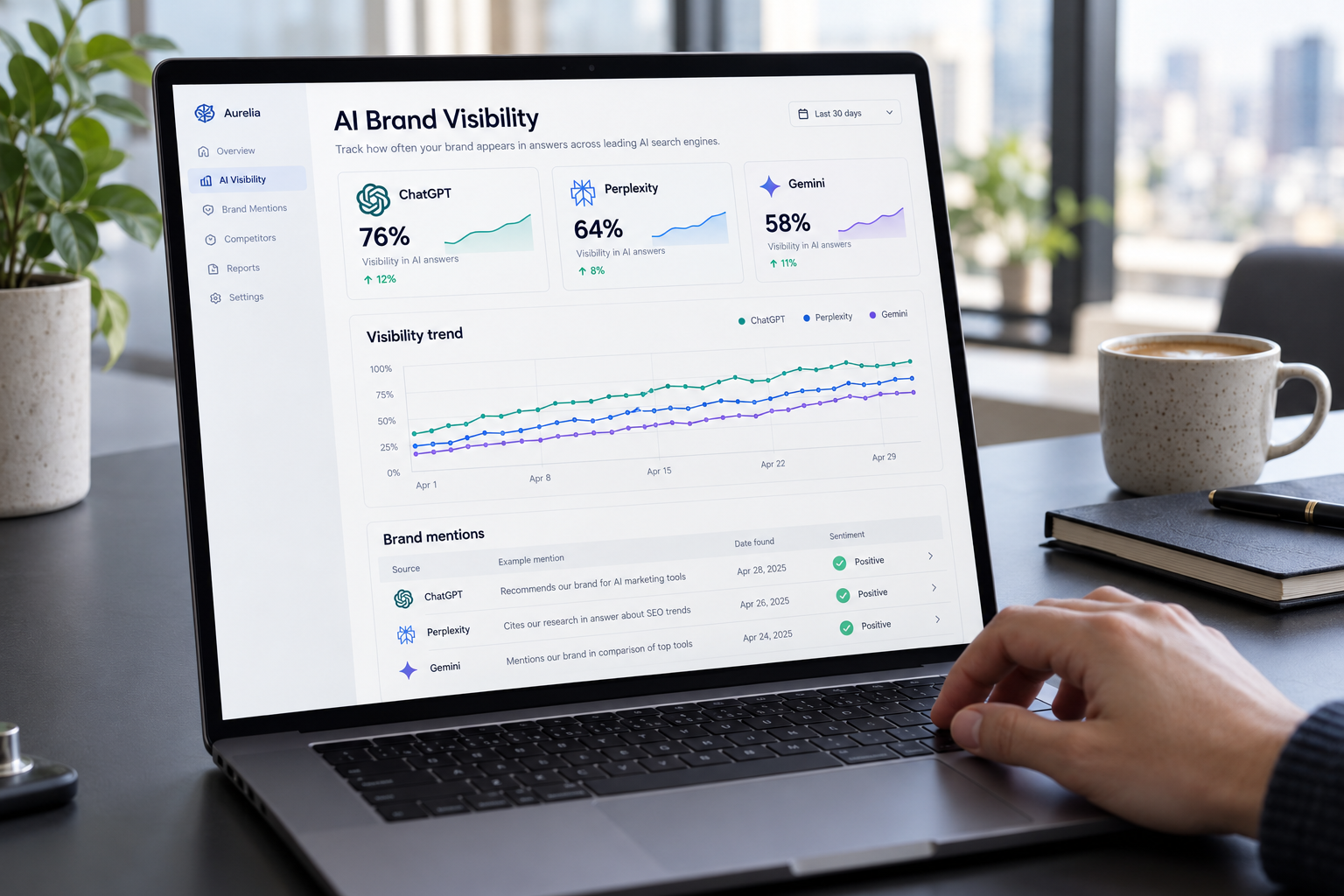
Google is still central, but local discovery no longer happens in one search box. Customers increasingly ask AI tools for recommendations, comparisons, service explanations, and shortlists. They may ask which nearby business handles a specific issue, what to expect from a procedure, or how to choose between two types of providers.
You cannot control every AI-generated answer, and no credible agency should promise a permanent position inside one. You can, however, make your business easier for search engines and AI systems to understand and cite.
Publish clear, factual content around the questions customers actually ask. Use consistent business information across your web presence. Show firsthand expertise with original photos, service details, team credentials, customer outcomes, and straightforward policies. Mention geographic relevance naturally. If your business has specialized knowledge, explain it in plain English instead of hiding it behind vague marketing language.
AI search also raises the bar for trust. Claims such as “best in LA” mean little without evidence. Specificity carries more weight: years in business, certifications, response times, types of projects completed, areas served, and the process customers can expect.
Use Paid Ads to Fill Gaps, Not Hide Broken Fundamentals
Local PPC can create leads quickly, particularly for urgent services or competitive markets. But paid traffic will magnify every weakness in your offer and website. If your landing page is slow, your form is clunky, or nobody answers the phone, a larger budget simply buys more missed opportunities.
Start narrowly. Run campaigns around high-intent services, focused locations, and business hours when your team can respond. Use dedicated landing pages instead of sending every click to the homepage. Track calls, forms, booked appointments, and qualified opportunities, not just clicks.
There is a trade-off here. Broad campaigns can produce volume, but they often bring less qualified leads. Tight geographic and service targeting may cost more per click while delivering stronger close rates. The right decision depends on capacity, margins, response time, and how well your sales process converts inquiries.
Retargeting can help when customers need more than one visit before deciding. It is especially useful for elective, high-ticket, or comparison-heavy services. For emergency services, spend more attention on immediate call conversion than on a long nurture sequence. A customer with water pouring through the ceiling is not waiting for your third reminder ad.
Turn Every Lead Source Into a Measurable System
The businesses that grow consistently do not guess where leads came from. They track the path from search to call to sale. At minimum, know which channels drive inquiries, how quickly your team responds, what percentage becomes qualified, and what percentage closes.
Review the data monthly. If Google Maps generates calls but few appointments, the issue could be targeting, price expectations, missed calls, or unclear service descriptions. If ads generate excellent leads but the cost per customer is too high, improve conversion rate before automatically increasing spend.
Use this practical monthly checklist:
- Check Google Business Profile accuracy, photos, hours, and new reviews.
- Review call recordings or lead notes for customer questions and missed opportunities.
- Compare leads by source, location, service type, and revenue quality.
- Update one high-value service or location page based on real customer language.
- Test one conversion improvement, such as a shorter form or clearer call-to-action.
This process is not glamorous. It is how marketing stops being a mystery and becomes a growth lever.
Common Questions About Local Lead Generation
How long does local SEO take to generate leads?
It depends on your competition, current visibility, website health, review profile, and market size. Some improvements, such as correcting a Google Business Profile or improving a conversion page, can help quickly. Building durable organic visibility usually takes months of consistent work. Paid ads can bridge the gap, but they should support a long-term plan rather than replace one.
Should a small business focus on Google or AI search?
Both matter, but the balance depends on your customers. Google Maps and traditional local search remain essential for high-intent discovery. AI search is increasingly valuable for research, recommendations, and question-based discovery. The smart move is to build clear, trustworthy local information that works across both rather than betting everything on one platform.
What is the fastest way to improve local lead quality?
Clarify who you want, where you serve, and which services you want to sell. Then align your ads, landing pages, Google profile, and intake process around that definition. Better targeting and faster follow-up often improve lead quality before rankings change at all.
The next local customer is already looking for an answer. Make sure your business gives them a clear reason to choose you, an easy way to reach you, and no excuse to keep searching.