

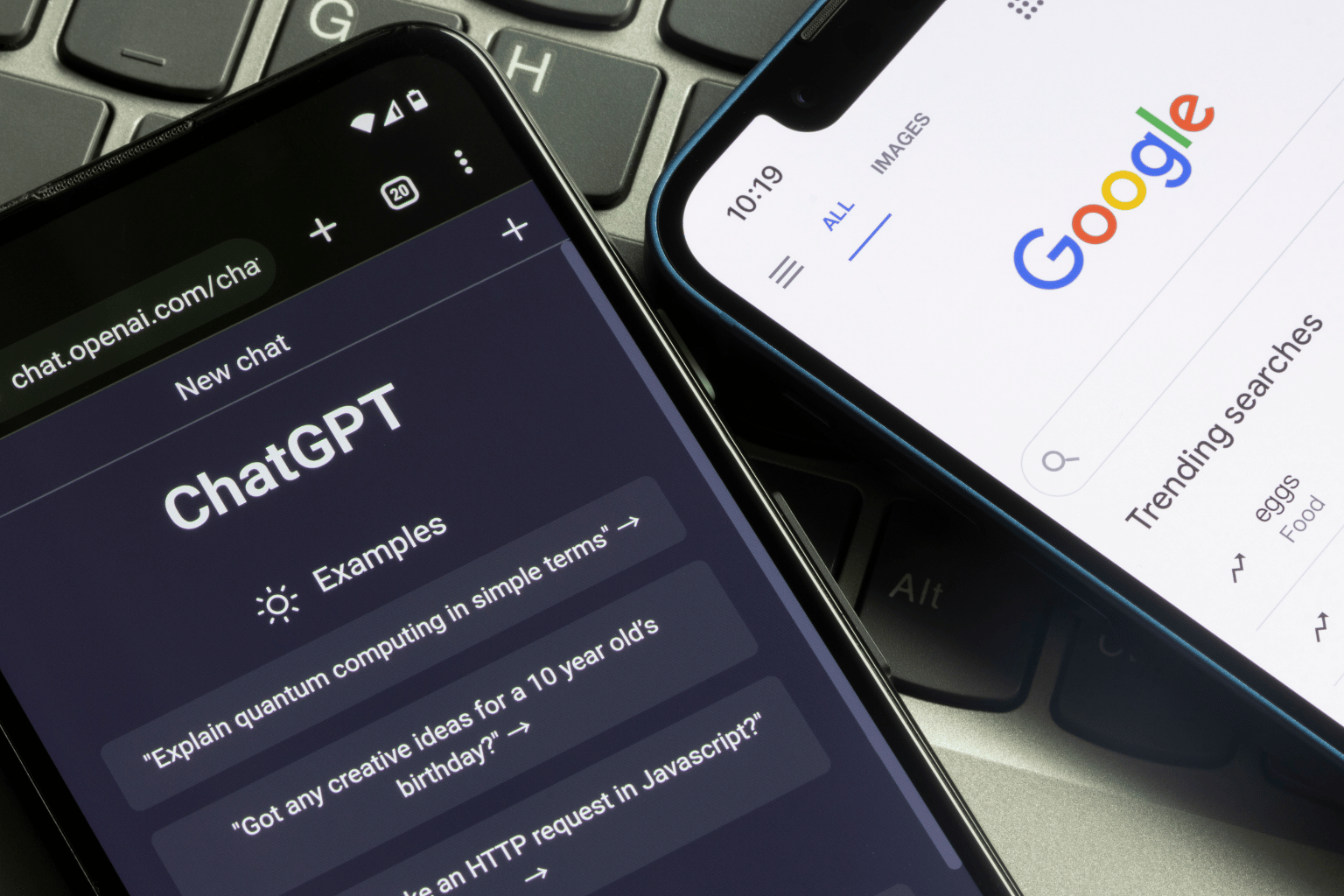
A customer asks an AI tool, “Who is the best emergency plumber near me?” or “What accountant helps small businesses with back taxes?” If the answer names three competitors and skips your business, your traditional Google rankings alone will not save the lead. Techniques for boosting visibility in AI search algorithms help make your business easier for AI systems to understand, trust, and recommend when buyers are ready to act.
This is not about tricking ChatGPT, Google’s AI results, or Perplexity with a magic prompt. AI discovery tools pull together signals from websites, business profiles, reviews, reputable third-party mentions, and search results. Your job is to make the right facts about your business clear, consistent, and genuinely useful.
How AI search decides what to mention
AI search systems do not work exactly like the familiar list of blue links. They attempt to answer a question directly, often with a short recommendation, comparison, or step-by-step response. To do that, they look for sources that appear relevant, credible, current, and easy to interpret.
For a local service business, that can mean your service pages, Google Business Profile, customer reviews, local directories, trade publications, and community mentions all contribute to the larger picture. If one source says you serve Los Angeles, another lists a different phone number, and your website never clearly explains your specialty, the system has less reason to confidently include you.
There is no universal formula for earning an AI citation. Platforms change, prompts vary, and recommendations may differ by location or user history. Still, the businesses showing up most often tend to provide stronger evidence than a thin website with a few vague claims.
Techniques for boosting visibility in AI search algorithms
Start by treating your website as the source of truth. Every important page should plainly explain what you do, who it is for, where you provide it, and what makes your approach different. A page that says “quality solutions for all your needs” sounds polished but gives an AI system almost nothing useful to work with.
A better approach is specific: “We provide same-day drain cleaning for homeowners and restaurants in West Los Angeles, including hydro jetting, camera inspections, and emergency service.” That language answers the real questions customers ask and gives search systems clear context.
Build pages around decisions, not just keywords
Small businesses often create one general service page and expect it to rank for every variation of a customer’s problem. That is rarely enough. Create focused pages for high-value services, meaningful locations, and common buying situations, but only where you can offer distinct, useful information.
For example, a family law firm may need separate, detailed pages for divorce mediation, child custody, and prenuptial agreements. A Shopify agency may need pages for store redesigns, speed improvements, and migration projects. Each page should explain the process, typical timelines, relevant qualifications, pricing factors, and who may not be a good fit.
This is where AI visibility and conversion rate meet. A clear answer is more likely to be understood by an AI system and more likely to persuade a human who lands on the page.
Use question-and-answer content with real substance
AI tools are built around questions, so your site should answer the questions buyers actually use. Not fluff questions like “Why choose us?” but practical ones such as “How much does commercial roof repair cost in Los Angeles?” or “Can a dentist treat a chipped tooth the same day?”
Give the answer near the top, then add the details that make it credible. Explain what affects the price, what happens during the appointment, what customers should prepare, and when they should seek urgent help. Avoid publishing dozens of nearly identical FAQs just to chase long-tail traffic. Repetition is not expertise.
Helpful question-based content can also earn zero-click visibility. Even when a user gets a quick answer without visiting your site, being consistently cited or named builds familiarity. The trade-off is that not every impression becomes a click, which is why your brand name, service area, and differentiators need to be memorable in the source content itself.
Strengthen local business signals
For local businesses, AI recommendations depend heavily on entity clarity. Put simply, the web needs to agree on who you are. Keep your business name, address, phone number, hours, website, categories, and service areas accurate everywhere customers may find you.
Your Google Business Profile deserves ongoing attention. Add accurate services, current hours, quality photos, timely updates, and direct responses to reviews. Ask for reviews after a completed job, not with a scripted plea for five stars. Customers naturally mentioning the service, neighborhood, responsiveness, or result creates richer proof than generic praise.
Location pages can help when they are legitimate. A useful page for Pasadena should include relevant service details, local examples, and a clear explanation of how you serve Pasadena customers. Swapping city names across 40 pages is a shortcut that creates weak content and weak trust.
Make trust visible, not implied
AI systems have become better at recognizing empty marketing language. “Best,” “leading,” and “number one” are easy to write and hard to verify. Replace broad claims with evidence: licenses, certifications, years in business, named team expertise, project examples, before-and-after details, warranties, and transparent policies.
For high-stakes categories such as legal, medical, financial, and home services, this matters even more. Publish author or expert information when appropriate, keep content dated and reviewed, and clearly identify the business behind the advice. If you use AI to help draft content, have a qualified person check the facts before publishing. Fast content that is wrong is not a growth strategy.
Earn third-party validation
Your website can say you are excellent. Independent sources carry a different kind of weight. Coverage in local publications, professional associations, event sponsorships, industry awards, relevant directories, supplier partnerships, and genuine customer reviews all help establish that your business is real and respected.
Do not chase low-quality directory listings by the hundreds. A smaller number of accurate, relevant mentions is usually more valuable than a messy footprint spread across spammy sites. For an LA contractor, a respected local trade association and well-maintained regional business profile can matter far more than an obscure directory nobody uses.
Add structured data, then focus on the page
Structured data is code that labels information on your website, such as your organization, local business details, services, reviews, FAQs, or articles. It can reduce ambiguity for search engines and support richer search understanding.
It is not an AI visibility button. Structured data cannot rescue thin copy, fake reviews, or inconsistent business information. Use it to reinforce facts already visible to visitors, validate it carefully, and keep it updated when business details change.
Improve technical access and page experience
An AI system cannot reliably use content it cannot access or interpret. Important service information should be available in crawlable page text, not trapped inside images, videos, or complicated interactive elements. Keep pages fast, mobile-friendly, and logically organized with descriptive headings.
Also check the basics: broken pages, duplicate content, confusing redirects, outdated phone numbers, and weak internal navigation. These issues do not sound glamorous, but they create friction for both bots and customers. A beautiful website that hides its key services is like a storefront with no sign on the door.
Measure visibility beyond rankings
Traditional rankings still matter, especially for high-intent local searches. But AI search optimization needs a wider scorecard. Track branded searches, referral traffic from AI platforms where available, increases in calls and form leads, review growth, local map visibility, and whether your business appears in relevant AI answers.
Test a small set of realistic customer prompts every month. Use different wording, service needs, and nearby locations. Document which brands appear, what sources are cited, and what your competitors explain better than you do. This is not a perfect measurement system, since answers are personalized and change frequently, but it reveals content gaps worth fixing.
Common mistakes that waste time
The biggest mistake is publishing generic AI-generated pages at scale. If every page says the same thing in slightly different words, neither customers nor search systems gain much value. Another is obsessing over one platform while ignoring the broader web signals that feed its answers.
Avoid making claims you cannot prove, purchasing suspicious reviews, or creating fake local pages. These tactics may create a short-lived illusion of activity, but they weaken the trust foundation AI-driven discovery depends on. Good visibility is built from accurate information, useful expertise, and proof that holds up when someone checks.
Frequently asked questions
Does ranking on Google guarantee AI search visibility?
No. Strong Google rankings can help because they reflect relevance and authority, but AI tools may use different sources and produce direct answers rather than a ranked list. A business needs clear content, local consistency, and independent trust signals across the web.
How long does AI visibility optimization take?
It depends on your starting point, competition, and how established your business is online. Technical fixes and clearer pages may be implemented quickly, while stronger reviews, third-party mentions, and authority usually build over months. Expect progress to be cumulative rather than instant.
Should every small business create content for ChatGPT and Perplexity?
Most businesses should create helpful, accurate content that works across search engines and AI platforms instead of writing separate pages for each tool. The goal is to become an understandable, credible source wherever customers research.
The practical next move is simple: choose the service that drives your best leads, review what a first-time customer needs to know before calling, and make your page the clearest honest answer available. That work helps AI systems recognize your value, but more importantly, it helps the right customer choose you.