
A plumber in Los Angeles does not need to beat Home Depot for every search about pipe repair. They need to show up when someone nearby searches “emergency plumber near me” at 9 p.m. A growing software consultant, meanwhile, may want customers across the country finding a helpful guide months before they are ready to buy. That is the practical difference behind organic SEO vs local SEO: both improve visibility, but they are built to capture different kinds of demand.
Choosing the wrong one is not a minor marketing mistake. It can mean spending months publishing broad content when your phone should be ringing from neighborhood searches, or focusing only on map rankings while missing the larger audience that could fuel long-term growth.
Organic SEO vs Local SEO: The Simple Difference
Organic SEO improves a website’s ability to rank in the standard, non-paid search results. It is usually designed to earn traffic from informational, commercial, and industry-specific searches, whether the person searching is across town or across the country.
Local SEO improves visibility for searches with local intent. Its main arena is Google’s map results, often called the local pack, plus location-focused organic results. It helps a nearby customer find, call, visit, or request service from a business in a defined area.
Think of organic SEO as building a library that attracts the right readers over time. Local SEO is making sure your storefront is easy to find when someone is already in the neighborhood looking for what you sell.
The two overlap. A strong local business website still needs pages that Google can understand and rank. An organic SEO strategy can include location pages. But their priorities, ranking signals, and expected outcomes are different.
What Organic SEO Is Built to Do
Organic SEO is the better fit when your customers can come from many cities, when you sell online, or when buyers research extensively before contacting a provider. An estate planning firm may publish clear articles about trusts and probate. A Shopify brand may create category pages and buying guides. A B2B consultant may answer the exact questions decision-makers ask before booking a call.
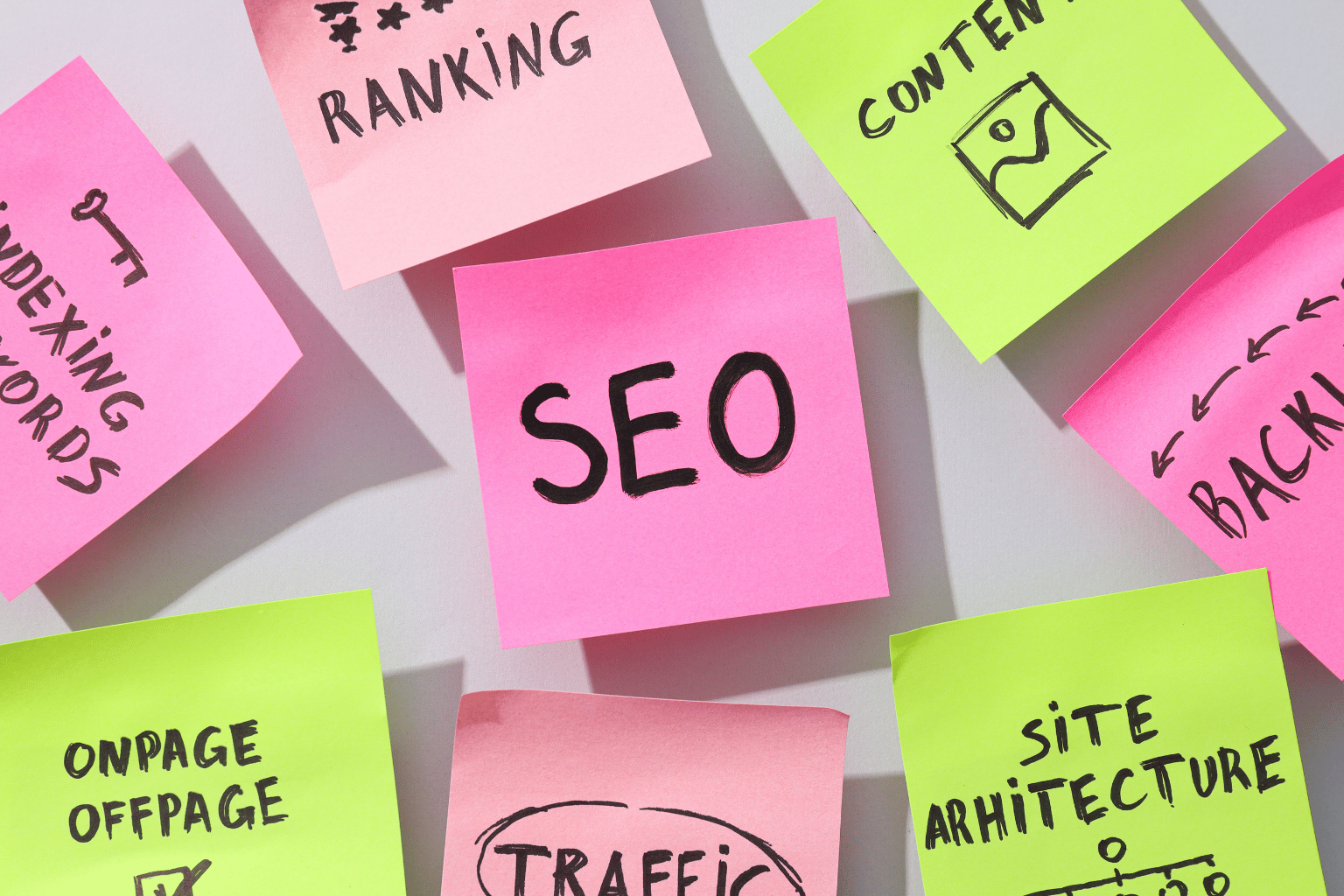
The work typically includes keyword research, technically sound site structure, useful service and product pages, original content, internal linking, authority-building, and conversion improvements. The goal is not simply to rank for a flashy keyword. It is to attract people who can become leads or customers.
For example, ranking for “how to choose commercial cleaning services” may bring early-stage prospects to a cleaning company’s site. A well-built service page for “commercial cleaning company” can capture people closer to hiring. Organic SEO gives a business room to support both journeys.
Its trade-off is patience. Competitive organic rankings rarely move on a neat 30-day schedule, particularly in industries crowded with national brands, publishers, and established competitors. It also demands content quality. Ten thin articles written to fill a calendar will not outperform one genuinely useful page that answers the searcher’s real question.
What Local SEO Is Built to Do
Local SEO is about relevance, proximity, and trust. When Google believes a business is a strong match for a nearby search, it may show that business in the map results before traditional organic listings. For service businesses, that visibility can turn directly into calls, direction requests, bookings, and quote forms.
Your Google Business Profile is central to this effort. It needs accurate categories, services, hours, contact details, photos, service areas, and regular attention. Reviews matter too, not because a high star rating is a magic trick, but because fresh, credible feedback helps customers and search engines assess trust.
A complete local strategy also includes consistent business information across reputable directories, location-specific website pages, locally relevant content where it makes sense, and a process for earning and responding to reviews. If you have multiple locations, each location needs its own accurate presence. Copying the same page and swapping city names is not a strategy. Google can spot that move, and customers can too.
Local SEO has limits. A business cannot easily force map visibility far outside its real service area, and proximity is a factor LAv1 cannot negotiate away with clever wording. A Pasadena dentist should not expect to dominate map results for searches happening deep in Orange County. Honest geographic targeting produces better leads than pretending every ZIP code is next door.
The Ranking Signals Are Not the Same
Organic SEO leans heavily on page relevance, helpfulness, technical accessibility, topical depth, site authority, and the quality of links and brand signals pointing to the site. Search engines need to understand what a page offers and why it deserves a place among competing results.
Local SEO uses some of those same website signals, then adds location-specific evidence. Google looks at the completeness and relevance of the Business Profile, review quality and velocity, local prominence, accurate citations, and the searcher’s location. This is why a business can rank well organically for a service but appear lower in the map pack, or the reverse.
That distinction matters when reading reports. A rise in website impressions does not automatically mean more map actions. A jump in map calls does not prove that broad educational content is performing. Track the outcome that matches the strategy: qualified organic traffic and conversions for organic SEO; calls, direction requests, bookings, and local landing-page leads for local SEO.
Which Strategy Should Your Business Choose?
Start with how and where people buy from you. If customers must be physically nearby, or you travel to them within a defined service area, local SEO should be a priority. This includes restaurants, dentists, attorneys, contractors, med spas, auto shops, cleaners, and many home-service businesses.
If you sell nationally, operate online, or serve a specialized market without geographic limits, organic SEO usually deserves the larger investment. E-commerce stores, SaaS companies, online educators, manufacturers, and niche professional services often need content and category-page visibility that reaches beyond one metro area.
Most established small businesses need both, just not in equal doses. A Los Angeles roofing company may rely on local SEO for immediate estimate requests while using organic SEO to build high-value resources about roof replacement costs, materials, insurance claims, and maintenance. The local work captures urgent demand. The organic work creates a durable pipeline and builds confidence before the call.
A useful rule is simple: invest first where your next qualified customer is most likely searching. Then expand into the second channel once the foundation is working.
A Practical 2026-2027 Search Reality Check
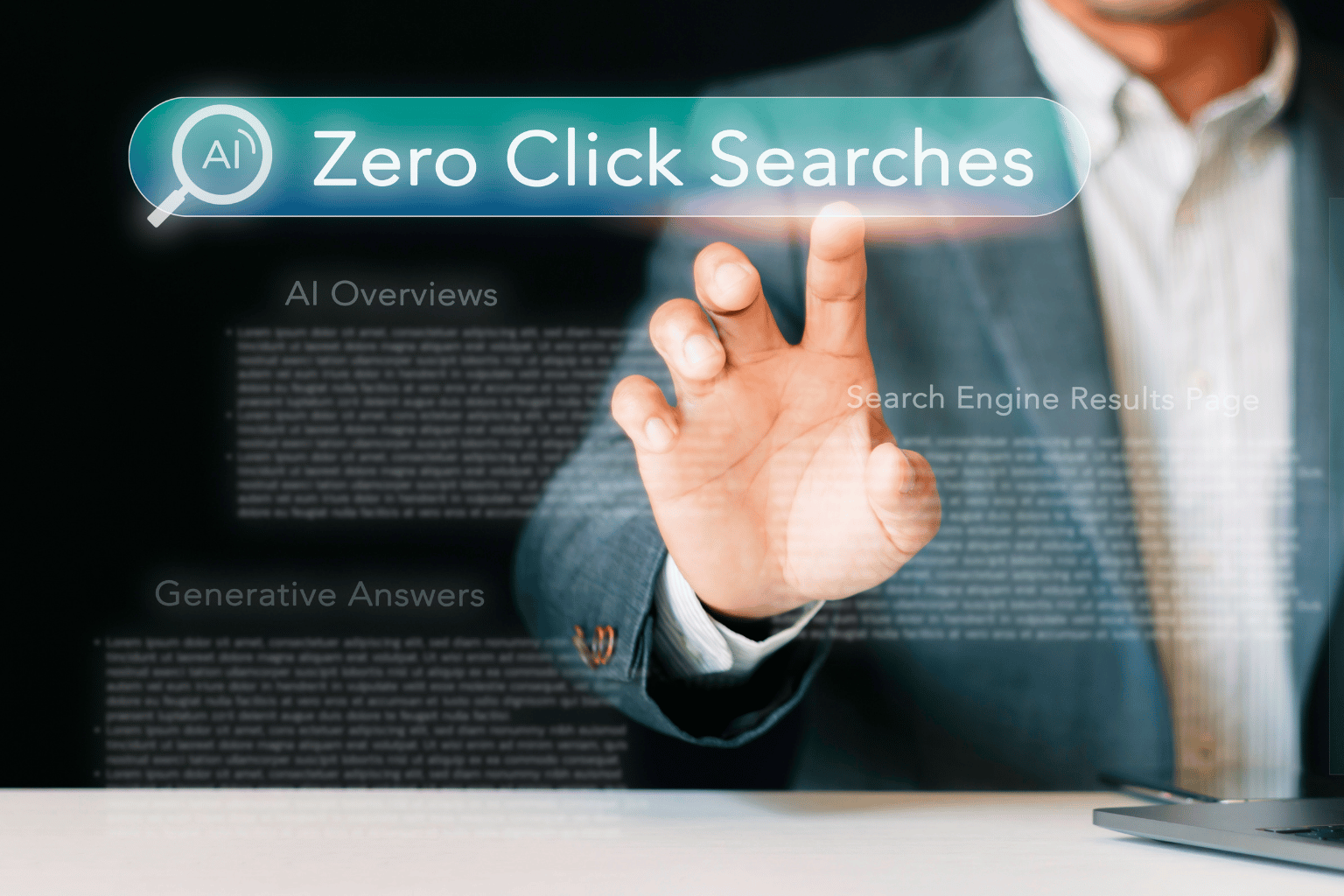
Search results are no longer just ten blue links. Google map results, review snippets, AI Overviews, zero-click answers, video, and AI search platforms can all shape the buyer’s path. That does not make traditional SEO obsolete. It raises the standard for clarity and credibility.
For organic SEO, create pages that answer specific questions directly, show firsthand expertise, and make your services easy to understand. For local SEO, maintain accurate entity information everywhere your business appears, especially your profile, website, reviews, and location pages. AI-driven answers pull from signals of consistency and authority too. Confusing information is bad for rankings and worse for a customer who is ready to call.
Do not chase every new platform because someone on LinkedIn declared SEO dead before lunch. Prioritize the places where your customers actually discover, compare, and contact businesses. Then measure lead quality, not just visibility screenshots.
Common Mistakes That Waste Budget
The first mistake is treating local SEO as a one-time profile setup. Profiles need ongoing review management, updates, photo refreshes, and monitoring for incorrect edits. The second is publishing generic organic content with no link to a real service, product, or customer question.
Another expensive mistake is measuring vanity metrics in isolation. Ranking first for a low-intent phrase feels great, but it does not pay payroll. A smaller increase in searches that lead to booked jobs is often the better win.
Finally, avoid separating SEO from the website experience. If a customer finds you but lands on a slow page with vague services, no proof, and a buried contact form, the ranking did its job. The page did not.
FAQs
Can local SEO help a business rank in regular Google results?
Yes. Strong location pages, accurate business information, reviews, and locally relevant authority can support regular organic rankings for city and service searches. It will not replace a broader organic content strategy for national topics.
Is organic SEO better than local SEO for lead generation?
Neither is universally better. Local SEO often produces faster, high-intent leads for location-based businesses. Organic SEO can generate broader and more scalable demand, especially for businesses that sell beyond a single market.
How long does it take to see results?
Local improvements can sometimes show momentum within a few months, especially when basic profile and website issues are fixed. Organic SEO commonly takes longer because content, authority, and competition play a larger role. Timelines depend on your market, current visibility, and how consistently the work is executed.
Your smartest next move is not to ask which SEO label sounds more impressive. Ask where your best customers are searching, what they need to see before they trust you, and whether your online presence makes taking the next step ridiculously easy.