
A potential customer asks ChatGPT for the best family lawyer near them, a reliable Los Angeles plumber, or a local med spa for acne scars. The answer may name a few businesses before that person ever reaches a traditional search results page. That is the practical reason AI visibility optimization belongs on a small business marketing plan: it helps your company become a credible answer when people ask AI platforms who to trust.
This is not a replacement for SEO. It is the next layer of visibility. Google rankings, local listings, reviews, website content, and authority still matter because AI systems use much of the same public web to form answers. The difference is that the customer journey is getting shorter. If your business is not included in the recommendation set, you may not get the click, the call, or the chance to compete.
What AI Visibility Optimization Actually Means
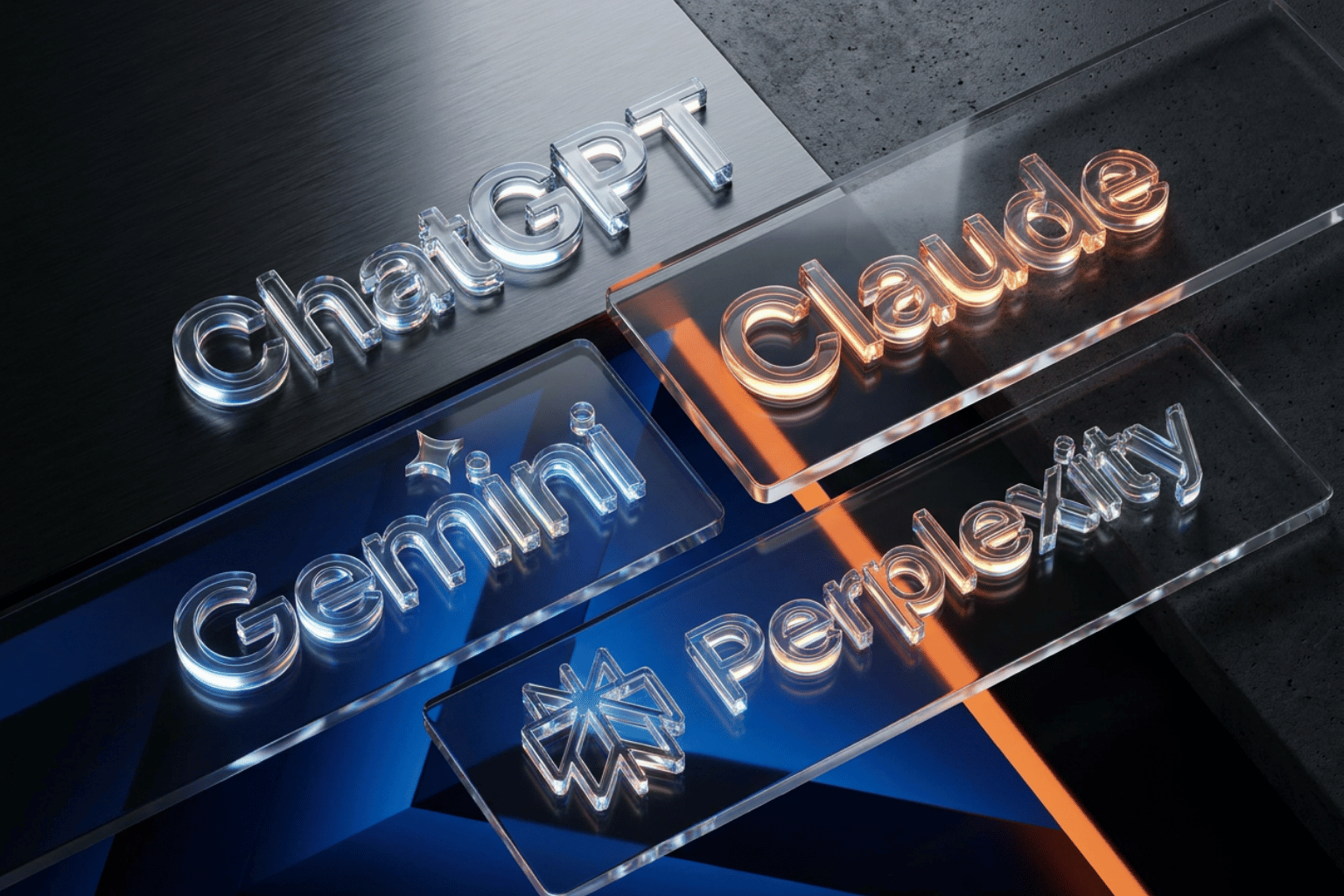
AI visibility optimization is the work of making your business easier for AI search and answer engines to understand, verify, and confidently mention. That includes platforms such as ChatGPT Search, Google AI Overviews, Perplexity, and other AI-powered discovery experiences.
For a small business, the goal is not to “game” an AI model with a magic prompt. Anyone selling that should raise an eyebrow. The goal is to build a clear, consistent, evidence-backed digital presence so platforms can connect your business with the questions your customers ask.
Think of it this way: traditional SEO often targets a search like “emergency electrician Los Angeles.” AI discovery also addresses fuller questions, such as “Who can fix a breaker panel this weekend and has strong reviews?” Your visibility depends on whether the system can find trustworthy information about your services, location, experience, availability, and reputation.
Why AI Search Changes the Small Business Playbook
Large companies have bigger ad budgets, but they are not automatically better answers. AI systems often favor relevance, clear evidence, current information, and sources that support a specific recommendation. A focused local company with excellent reviews, accurate service pages, and useful expertise can compete surprisingly well.
That said, the trade-off is real. AI-driven discovery is less predictable than buying a paid click. Answer formats change, citations vary by platform, and a business may be mentioned without receiving a measurable website visit. That can make owners nervous, especially if they have been burned by vague marketing reports before.
The solution is not to ignore AI search. It is to measure it alongside business outcomes. Look for increases in branded searches, qualified calls, direction requests, contact-form leads, consultation bookings, and the quality of questions prospects ask. A customer who says, “ChatGPT recommended you,” is not vanity traffic. That is a lead source worth tracking.
AI Visibility Is Not Just About Being Mentioned
A mention only helps if it is accurate and relevant. Being surfaced for a service you do not offer creates confusion. Being described with an old address, incorrect hours, or generic language can cost a lead at the finish line.
Strong AI visibility means your business is associated with the right services, the right locations, and the right reasons to choose you. For example, a roofing company might want visibility around storm damage inspections, insurance claim support, and specific neighborhoods it serves. A broad statement that it is simply a “great roofer” is less useful to both customers and AI systems.
The Foundation: Make Your Business Easy to Verify
Before creating more content, clean up the signals you already control. AI platforms cannot confidently recommend a business when its information is scattered, incomplete, or contradictory.
Start with your website. Each core service should have a dedicated page that explains what you do, who it is for, what customers can expect, and where you provide the service. Avoid thin pages that swap city names into the same paragraph 30 times. People can spot that trick from a mile away, and it does little to establish real local expertise.
Your business details should also match across your website, Google Business Profile, major directories, social profiles, and review platforms. Check your name, address, phone number, website, business hours, categories, and service descriptions. If you moved offices three years ago but an old listing still has the prior address, fix it. The internet has a long memory and occasionally behaves like a junk drawer.
Reviews matter here, too. They are proof that real customers had a real experience. Ask for reviews consistently, respond professionally, and never manufacture feedback. Specific reviews that mention a service, location, or outcome provide far more context than a pile of vague five-star ratings.
Build Content That Answers Real Customer Questions
The best content for AI discovery is usually not flashy. It is clear, accurate, and genuinely useful. Start with the questions your front desk, sales team, or owner hears every week.
A dentist might answer, “Do you offer same-day crowns?” A personal injury firm might explain what happens after a car accident in California. A home remodeling company might cover realistic kitchen renovation timelines, permit considerations, and how to prepare for an estimate.
Write these pages in plain English. Lead with a direct answer, then provide the details a customer needs to make a decision. Include local context where it is useful, but do not force it into every sentence. A page that clearly explains your process, pricing factors, credentials, and limitations is more valuable than a page stuffed with keywords.
Use Proof, Not Empty Claims
“Best in town” is easy to write and hard to believe. Instead, show why a customer might choose you. Mention years in business when relevant, certifications, licensing, specialties, service guarantees, project examples, team expertise, and the types of customers you serve.
Case studies are especially useful when they are specific. Describe the problem, the approach, and the result without exposing private customer information. For service businesses, this gives AI platforms and human prospects stronger evidence than a generic sales pitch ever could.
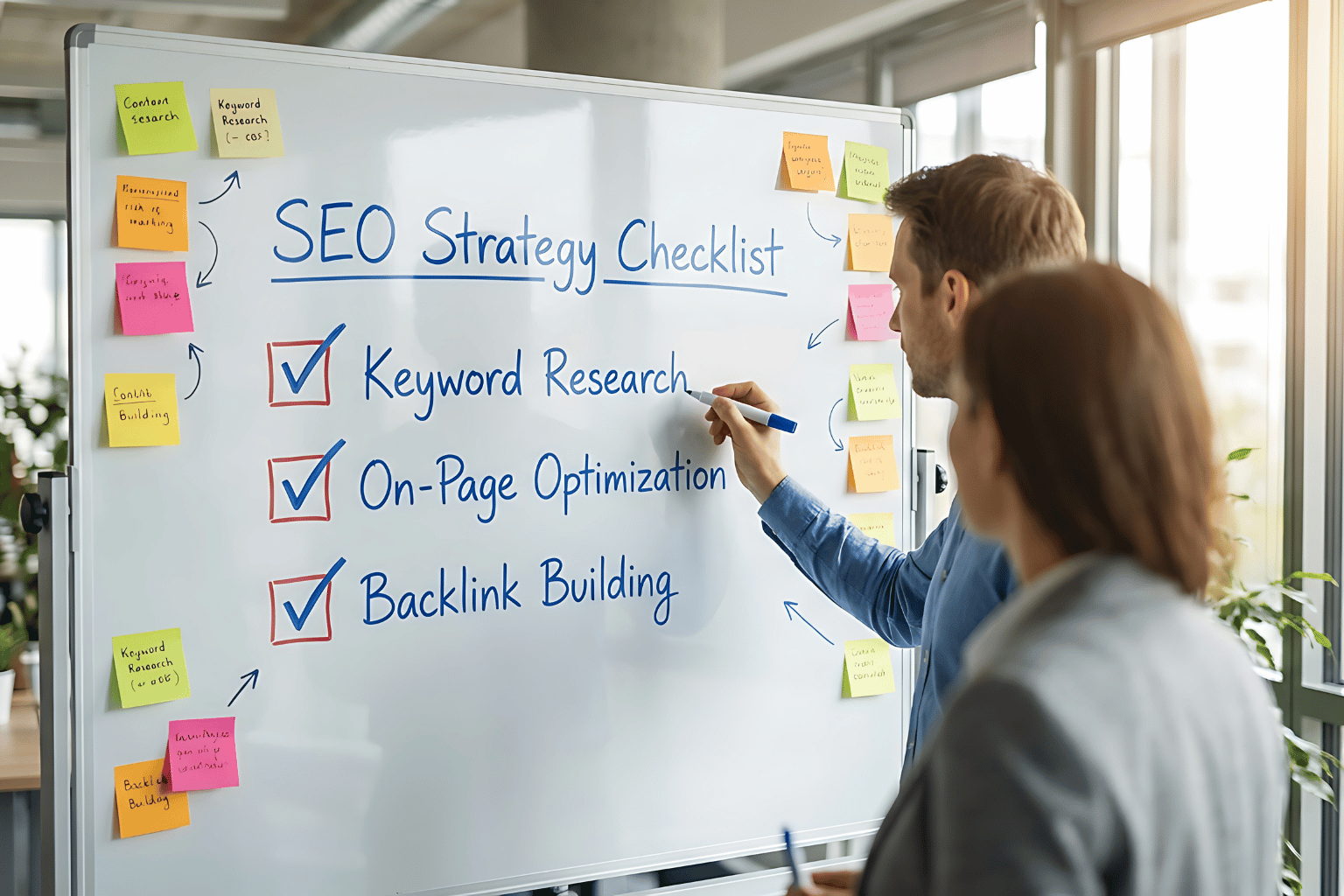
A Practical AI Visibility Optimization Checklist
The work is ongoing, but the first pass does not have to feel overwhelming. Prioritize the actions most likely to improve clarity and trust:
- Audit business information across your website, Google Business Profile, directories, social profiles, and review sites.
- Create or improve pages for every high-value service and primary service area.
- Publish answers to frequent buyer questions, especially questions asked before someone calls or books.
- Add author, team, credential, and company information that proves who is behind the advice.
- Request honest customer reviews and respond to them consistently.
- Review search queries, call recordings, contact forms, and sales conversations for new content ideas.
- Track where customers say they found you, including AI tools, Google, referrals, and social channels.
If you are short on time, begin with the services that generate the most revenue or lead to the best long-term customers. A local HVAC company does not need 50 articles before it has a strong page for AC repair, heating repair, installation, maintenance plans, and emergency service.
How to Measure Results Without Chasing Ghost Metrics
AI search reporting is still developing, so no honest agency should promise a perfectly clean dashboard for every mention across every platform. Treat that limitation as a reason to use several signals, not as an excuse to report nothing.
Monitor branded search demand, referral traffic where available, keyword visibility, local pack performance, citations in AI answers, review growth, and lead quality. Most importantly, train your team to ask every new lead one simple question: “How did you hear about us?” Add AI tools as an option in your CRM or intake form.
A GEO audit can help identify gaps before you invest heavily in content or ads. It examines whether platforms can understand your brand, what sources are shaping the answers, where competitors appear, and which pages or trust signals need attention. For a lean business, that is far smarter than publishing content blindly and hoping an algorithm notices.
FAQ About AI Visibility Optimization
Does AI visibility optimization replace local SEO?
No. Local SEO is one of its core inputs. Accurate local listings, reviews, location pages, maps visibility, and a trustworthy website all support both traditional search and AI discovery.
Can a business pay to appear in ChatGPT or Perplexity answers?
Advertising options and product formats continue to evolve, but paid exposure does not replace organic credibility. A strong strategy separates paid campaigns from the work required to earn accurate, lasting recommendations.
How long does it take to improve AI visibility?
It depends on your current foundation, competition, industry, and how much reliable information already exists about your business online. Cleaning up inaccurate listings can help quickly. Building authority through useful content, reviews, and third-party validation usually takes longer.
The businesses that win in AI search will not be the ones shouting the loudest. They will be the easiest to understand, the easiest to verify, and the most helpful when a customer is ready to choose.