
A competitor with a smaller website can outrank you for a high-value service keyword because other credible websites vouch for them. That is the practical answer to the question, are backlinks still important for SEO? Yes. But the old playbook of buying hundreds of random links and waiting for rankings to appear belongs in the internet’s junk drawer.
For small businesses, backlinks still matter because they help search engines understand which businesses, pages, and resources deserve confidence. The catch is that links are no longer a standalone SEO strategy. A strong backlink profile cannot rescue a slow website, thin service pages, confusing navigation, bad reviews, or a business with no local credibility. It is one part of a system built to generate visibility, leads, and revenue.
Are Backlinks Still Important for SEO? Yes, for the Right Reasons
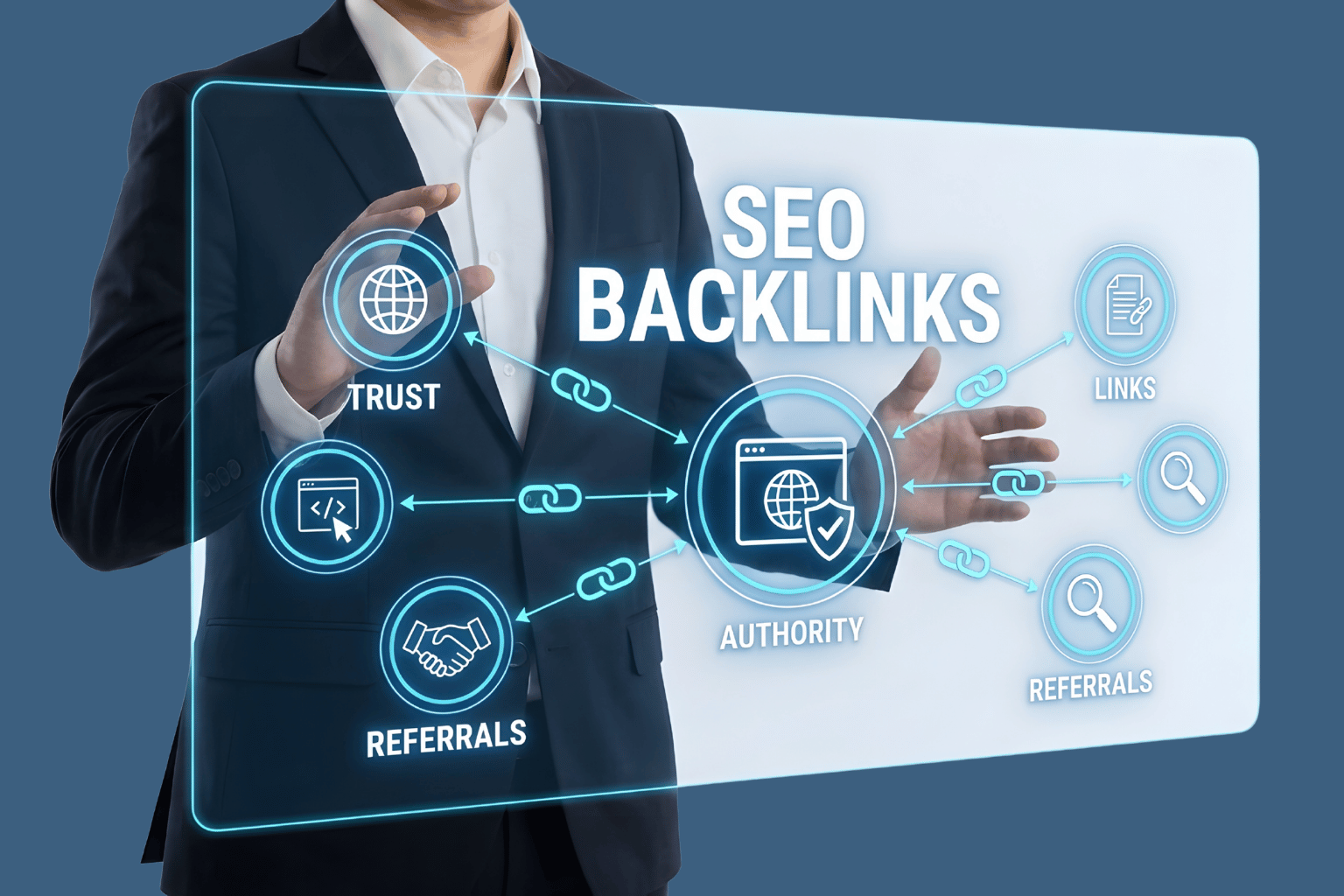
A backlink is simply a link from another website to yours. Search engines can treat that link as a signal that another publisher, organization, journalist, supplier, or customer resource found your content worth referencing.
Not every link carries the same weight. A mention from a respected local news outlet, an industry association, or a relevant trade publication can be far more valuable than dozens of links from unrelated blogs with no audience. Search engines have become much better at evaluating context, relevance, and patterns that look manipulated.
Think of backlinks less like votes and more like referrals. A referral from a trusted contractor who knows your work means something. A stack of referral cards handed out by strangers in a parking lot does not. Google sees the difference, and increasingly, so do AI-powered search experiences that rely on credible sources to form answers.
Links remain especially useful in competitive markets. If ten Los Angeles HVAC companies have competent websites and similar service pages, authority signals can help separate the businesses that are recognized beyond their own sites from the ones speaking only about themselves.
What a Valuable Backlink Looks Like Now
The best links tend to make sense even if SEO did not exist. They send relevant visitors, strengthen brand recognition, and place your business in a context your customers already trust.
A valuable backlink is usually relevant to your business, placed naturally within useful content, published on a legitimate site, and earned because there is a real reason to mention you. It may point to your homepage, a location page, a useful guide, a case study, or a resource that answers a common customer question.
For example, a local estate planning attorney may earn strong links through a chamber of commerce profile, a bar association listing, a local publication quoting them about new legislation, or a nonprofit event they support. Those mentions create a believable digital footprint. A link from an unrelated coupon site in another country does not create the same confidence.
Authority matters, but relevance matters too. A link from a modest but respected local organization can be more useful to a neighborhood service business than a generic link from a larger site with no connection to its customers, industry, or market.
Quality Beats Volume, Almost Every Time
There is no magic number of backlinks that guarantees rankings. A small local business may make real progress with a handful of excellent local and industry citations, while a national ecommerce brand may need sustained digital PR and content promotion to compete.
The goal is not to win a backlink-count contest. The goal is to earn signals that support the pages and searches most likely to produce revenue. If you are a roofing company, links and mentions around roofing, home improvement, local housing, storm preparation, and your service area are far more useful than a random pile of low-quality placements.
That is also why cheap link packages are risky. They often rely on networks built to manufacture authority rather than serve readers. At best, those links do nothing. At worst, they create a pattern that search engines discount or associate with spam.
Where Backlinks Fit in a Small Business SEO Strategy
Backlinks work best after the foundation is in place. Before putting serious energy into link acquisition, make sure your website gives visitors and search engines a clear reason to trust and contact you.
Your priority order should be practical: clear service pages, accurate local business information, strong technical performance, visible proof such as reviews and results, useful content, and then authority-building outreach. This is not glamorous, but neither is paying for traffic that lands on a page nobody understands.
For local SEO, consistency matters. Your business name, address, phone number, service categories, and core details should align across your website and reputable business profiles. These mentions are not all traditional editorial backlinks, but they support local trust and make it easier for customers and platforms to verify that your business is real.
For organic SEO, build pages worth citing. A generic 500-word service page rarely earns attention. A useful guide about what homeowners should ask before hiring a mold remediation company, a transparent pricing explainer, or a local data-driven resource gives other sites something substantive to reference.
For lead generation, match links to intent. A mention that brings visitors to a page with a relevant offer, proof, and a simple next step can be more profitable than a high-traffic link that sends curious but unqualified visitors to your homepage.
Backlinks and AI Search Visibility
AI search has changed how people discover businesses, but it has not made reputation irrelevant. ChatGPT-style search, Google AI experiences, and answer engines need reliable sources, clear entities, and corroborating information to produce useful responses.
A backlink is not a guaranteed ticket into an AI-generated answer. No agency should promise that. However, credible third-party mentions can strengthen the broader signals that help establish who you are, what you do, where you operate, and why your business deserves to be included in a recommendation.
This makes brand mentions increasingly valuable, even when they do not include a clickable link. A business consistently referenced by local media, professional organizations, industry resources, review platforms, and relevant partners has a stronger chance of being understood across search ecosystems than a business with an isolated website and no outside validation.
The smart move is to create material that earns both links and citations: original local research, expert commentary, helpful tools, clear service information, real case studies, and community involvement that is meaningful rather than performative.
How to Earn Better Backlinks Without Playing Games
Start with relationships you have actually earned. Suppliers, professional groups, local organizations, event partners, complementary businesses, and community initiatives can all create legitimate opportunities for mentions. Do not ask everyone for a link just because you can. Offer a genuine reason for the reference.
Next, look for questions your customers ask repeatedly. Turn the best questions into resources that are clearer, more specific, or more local than what currently ranks. A well-built resource can support sales conversations and outreach at the same time.
Digital PR can also be effective when it is based on a real story. New service offerings, original data, a local trend, a business milestone, or expert commentary may be worth pitching to relevant publications. The story has to be useful to their audience. “We want a backlink” is not a story, and editors can smell it from several zip codes away.
Finally, review your existing backlink profile before adding more. You may find unlinked brand mentions, broken links pointing to old pages, inaccurate listings, or links aimed at pages that no longer exist. Reclaiming legitimate value is often more efficient than chasing the next shiny outreach tactic.
What Not to Expect From Link Building
Backlinks are not instant leads, and they are not a substitute for good marketing. A link from a respected source may take weeks or months to influence visibility, especially in a competitive category. Results also depend on the quality of your site, the strength of competitors, search intent, your geographic market, and how well your pages convert.
Be skeptical of anyone promising a specific number of links per month without discussing where they come from, why they are relevant, or how they connect to your business goals. Transparent link building can explain the strategy, the outreach process, the quality standard, and the expected timeline. It cannot honestly guarantee editorial decisions or first-place rankings.
A better question than “How many backlinks do we need?” is “What would make respected sites and real customers more likely to mention us?” That question produces stronger marketing across the board.
If your business is trying to compete in search and AI discovery, treat backlinks as evidence, not a shortcut. Build a site that deserves trust, do work people want to talk about, and earn recognition in the places your customers already pay attention to. That is slower than buying a spreadsheet of links, but it is also how visibility turns into a business asset instead of another monthly marketing expense.