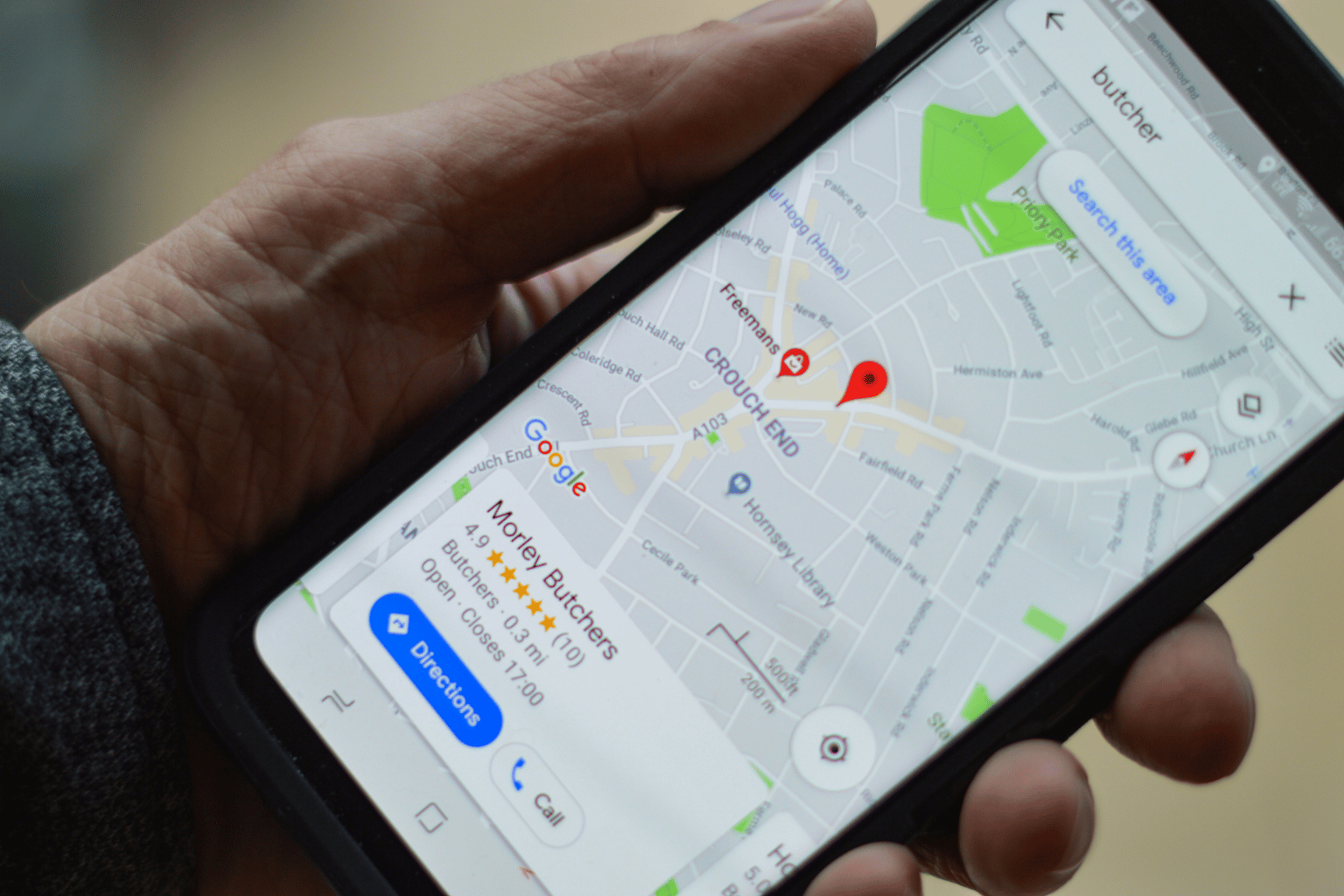


A homeowner in Silver Lake searches “best listing agent near me” at 9:30 p.m. A relocating buyer asks an AI search tool which neighborhoods fit a young family’s budget. If your real estate business is absent from both answers, local SEO for real estate is not a nice-to-have. It is a lead-generation gap.
Real estate is fiercely local, but many agents market as if a generic city page and a few social posts will do the job. They will not. Buyers and sellers want proof that you understand their block, price range, property type, and next move. Search engines and AI platforms need the same evidence before they put your name in front of a prospect.
Why Local Visibility Drives Real Estate Revenue
A real estate lead rarely begins with a polished inquiry form. It often starts with a high-intent local search: “Realtor in Pasadena,” “sell my home in Culver City,” or “condos for sale near USC.” The person searching may be weeks or months from signing, but they are actively narrowing their options.
That creates a major advantage for an agent or brokerage that appears consistently across Google Maps, local organic results, neighborhood searches, review platforms, and AI-generated answers. Visibility builds familiarity before the first call. Familiarity makes the eventual choice feel less risky.
The trade-off is that local rankings are not won by stuffing every neighborhood name onto one page. Search platforms increasingly reward relevance, accuracy, reputation, and real-world prominence. A Los Angeles agent who claims to serve 40 markets but publishes no useful local insight can look less credible than a focused competitor with excellent reviews and genuinely helpful area pages.
Start With Your Google Business Profile
Your Google Business Profile is often the first thing a nearby prospect sees. It can show your reviews, office location, service area, photos, hours, phone number, and recent updates before anyone reaches your website. Treat it like a working storefront, not a directory listing you set up once in 2019 and forgot about.
Use your real business name, correct primary category, accurate contact details, and a description that explains where and how you help clients. Add professional photos of your team, office, listings, closings, and local community involvement. Avoid stock-photo overload. Real images support trust, especially in a business where people are choosing someone to handle a major financial decision.
For agents working from home or without a public-facing office, set up the profile correctly as a service-area business. Do not use virtual offices, mailbox locations, or a friend’s storefront to chase map rankings. Those shortcuts can create suspensions, and a suspended profile does not generate leads.
Reviews deserve a real process. Ask after a successful closing, when the client is still excited and the experience is fresh. Make the request simple, but never script a five-star review or offer incentives in exchange for one. Respond to every review with specifics while protecting client privacy. A reply such as “We’re glad our pricing strategy helped your Echo Park sale move quickly” is more meaningful than “Thanks for the review!”
Build Neighborhood Pages That Earn Attention
A strong neighborhood page answers the questions clients actually ask, not just the question Google might rank. It should cover the local housing character, typical property styles, lifestyle considerations, nearby amenities, transportation context, and current market factors that matter to a buyer or seller.
For example, a page about Highland Park should not be a near-duplicate of pages for Eagle Rock and Glassell Park with the city name swapped out. That is thin content wearing a fake mustache. Give each area a distinct point of view based on firsthand knowledge and verifiable local details.
Match the Page to Search Intent
Some searches signal a buyer’s early research, such as “best neighborhoods in Los Angeles for first-time buyers.” Others signal an immediate service need, such as “sell a home in Burbank.” These need different pages and different calls to action.
A buyer-focused guide can explain trade-offs between neighborhoods, home types, commute patterns, and price expectations. A seller-focused page should speak to pricing, preparation, local demand, and the selling process. A generic page trying to serve every audience usually helps none of them very well.
Keep Listing Content From Becoming a Dead End
Individual listing pages are valuable, but sold listings and expired pages can create a pile of dead ends if handled poorly. Preserve useful pages where appropriate, clearly mark status, and guide visitors toward similar active opportunities or relevant neighborhood resources. This keeps the site useful while protecting organic visibility.
Make Your Website Easy for Search Engines and Humans
Your website does not need to win a design award to produce leads. It does need to load quickly, work cleanly on a phone, explain your value fast, and make contacting you painless. A buyer scrolling between showings is not going to hunt through a maze of menus to find your number.
Keep your name, address, and phone number consistent across the website and prominent local listings. Add clear service-area language, agent bios, credentials, and original market expertise. Include structured data where it fits so search engines can better understand your organization, location, services, reviews, and property-related content.
Technical SEO matters here, but it should serve the customer experience. Slow pages, broken forms, intrusive pop-ups, and confusing property search tools cost leads even if rankings look healthy. Track form submissions, phone calls, appointment requests, and qualified conversations, not just traffic. Traffic that never turns into clients is a vanity metric with expensive taste.
Build Local Authority Beyond Your Own Website
Google wants confidence that your business is known in the community it claims to serve. That confidence comes from consistent business citations, quality reviews, local mentions, professional associations, community participation, and useful content that people reference.
You do not need to sponsor every 5K within a 30-mile radius. A smaller number of authentic local relationships is more valuable. Consider contributing expert commentary to a local housing discussion, creating a practical guide for a neighborhood event, or publishing a data-informed market update that answers a local question better than generic national headlines.
The goal is not to manufacture popularity. It is to create public signals that match the real value you provide in your market.
Prepare for AI Search and Zero-Click Results
Search is changing from a list of blue links into an answer layer. Google’s AI features and platforms such as ChatGPT and Perplexity can summarize local options, compare neighborhoods, and surface agents or brokerages based on the information they can verify across the web.
That does not mean traditional SEO is dead. It means weak, generic SEO is getting easier to ignore. To be visible in AI-driven discovery, publish clear answers to real local questions, maintain accurate business information, demonstrate expertise through named authors or agents, and earn credible third-party mentions.
AI systems are more likely to cite or summarize content that is specific and easy to understand. Instead of writing “We offer exceptional real estate solutions,” explain how you help a first-time buyer compete for a duplex in a particular market, or how you prepare a local seller for a pricing consultation. Specificity is the asset.
A Practical Local SEO Plan for the Next 90 Days
Start by fixing the foundation, then build momentum. In the first month, audit your Google Business Profile, website contact details, top local listings, reviews, and technical issues. Identify the three to five markets that produce your best clients rather than trying to rank everywhere at once.
During the second month, improve or create high-value area and service pages. Add original photos, FAQs based on actual client conversations, and strong calls to request a consultation or home valuation. Begin a consistent review request process after closings.
In the third month, publish useful local content and measure what happens. Look at calls, direction requests, website leads, rankings for meaningful local terms, and which pages influence inquiries. If a neighborhood page gets impressions but no engagement, refine the content and offer. If a page generates calls, expand on the topics it proves your audience cares about.
For resource-constrained teams, this is where a focused strategy beats random activity. LAv1 approaches local growth by connecting technical SEO, content, conversion paths, and emerging AI visibility so the work supports revenue rather than a monthly reporting ritual.
Common Questions About Local SEO for Real Estate
How long does local SEO take for real estate agents?
Early improvements from profile cleanup, review growth, and technical fixes can appear within weeks. Competitive map rankings and durable organic visibility often take several months. The timeline depends on market competition, your current reputation, website health, and how consistently you publish and earn local signals.
Can one agent rank in multiple cities?
Yes, if those cities are genuine service areas and the agent can demonstrate relevant experience there. Ranking is harder when a business has no physical presence, client history, local content, or credible connections in a target market. Focused coverage usually performs better than a long list of aspirational cities.
Are Zillow and Realtor.com enough for local leads?
They can be part of the mix, but they are rented land. Portal costs, lead quality, and competition can change quickly. Your website, Google Business Profile, reviews, and local brand reputation are assets you control and compound over time.
The best local real estate marketing makes a prospect feel one thing before they ever contact you: this person knows this market and can help me make a confident move. Build every page, profile, review request, and local update around earning that feeling.