

A homeowner asks ChatGPT who can fix a leaking roof in their neighborhood. A parent asks for the best local tutor for a struggling student. A business owner asks which IT provider understands HIPAA compliance. These are not casual searches. They are high-intent buying moments, and they are changing what visibility looks like for small businesses.
A smart chatgpt advertising strategy is not about treating ChatGPT like another Google Ads dashboard. It is about making sure your business is easy for AI systems to understand, recommend, and describe accurately, while using those same customer questions to make every marketing dollar work harder. For a lean business, that is a much better opportunity than chasing shiny-object tactics.
What a ChatGPT Advertising Strategy Actually Means
The phrase can sound like buying ad placements directly inside ChatGPT. Advertising formats, platform policies, and commercial features in AI tools can change quickly, so businesses should avoid building a plan around assumptions about one placement type. The more durable strategy is broader: earn visibility when prospective customers use AI to research, compare, and narrow their options.
That requires three connected efforts. First, create clear, credible information about your services, locations, expertise, pricing approach, and customer outcomes. Second, use AI-driven questions as market research for SEO, content, landing pages, and paid campaigns. Third, protect the conversion path after a prospect finds you. A vague website, slow mobile page, or buried phone number can waste even the best visibility.
Think of ChatGPT as a new front desk for the internet. If it cannot quickly determine what your company does, who you help, where you operate, and why you are a credible choice, it has little reason to surface your business in a useful answer.
Start With the Questions Behind the Search
Traditional keyword research often begins with short phrases such as emergency plumber Los Angeles or payroll services near me. Those searches still matter. AI prompts tend to add the details customers usually share on a phone call: budget, urgency, neighborhood, preferences, and fears.
A prospect may ask, “Which family law attorney near Pasadena handles amicable divorces and offers a clear fee structure?” That one prompt contains service intent, location, fit, and a conversion objection. It also tells the attorney exactly what their site and ads should explain.
Build a working list of the real questions your customers ask before they contact you. Pull them from sales calls, reviews, emails, intake forms, Google Search Console, and conversations with your front-line team. Then group them around moments that move a buyer forward: identifying a problem, comparing options, checking trust, and taking action.
For example, a local HVAC company might organize questions around repair urgency, system replacement cost, energy efficiency, financing, warranty coverage, and service areas. A generic page claiming quality service will not compete well with practical pages that answer those questions plainly.
Use AI for Research, Not Blind Copywriting
ChatGPT can help a small team turn a messy collection of customer questions into content themes, ad angles, FAQ ideas, call scripts, and landing-page outlines. That is useful. Publishing its first draft without expert review is not.
AI-generated copy often sounds polished while saying very little. It may also make claims that are too broad, miss local nuance, or flatten the personality that makes a small business memorable. Your experience is the asset. Use AI to speed up organization and ideation, then add the details only your business can provide: what jobs you take, what customers should expect, proof of results, credentials, process, and honest limitations.
Build Content AI Can Verify and Customers Can Trust
AI tools generally work best with information that is specific, consistent, well structured, and supported by credible sources. That is not a shortcut to guaranteed recommendations. No agency can honestly promise that a particular AI answer will name your business. It is, however, the foundation for being understandable across search engines, map results, websites, and AI discovery tools.
Your core service pages should clearly state the service, the locations served, the ideal customer, the process, and the next action. Add real examples where appropriate. A personal injury firm can explain the types of cases it handles and what an initial consultation covers. A med spa can clarify treatment suitability, practitioner credentials, recovery expectations, and booking policies. A contractor can show project categories, permits, timelines, and before-and-after proof.
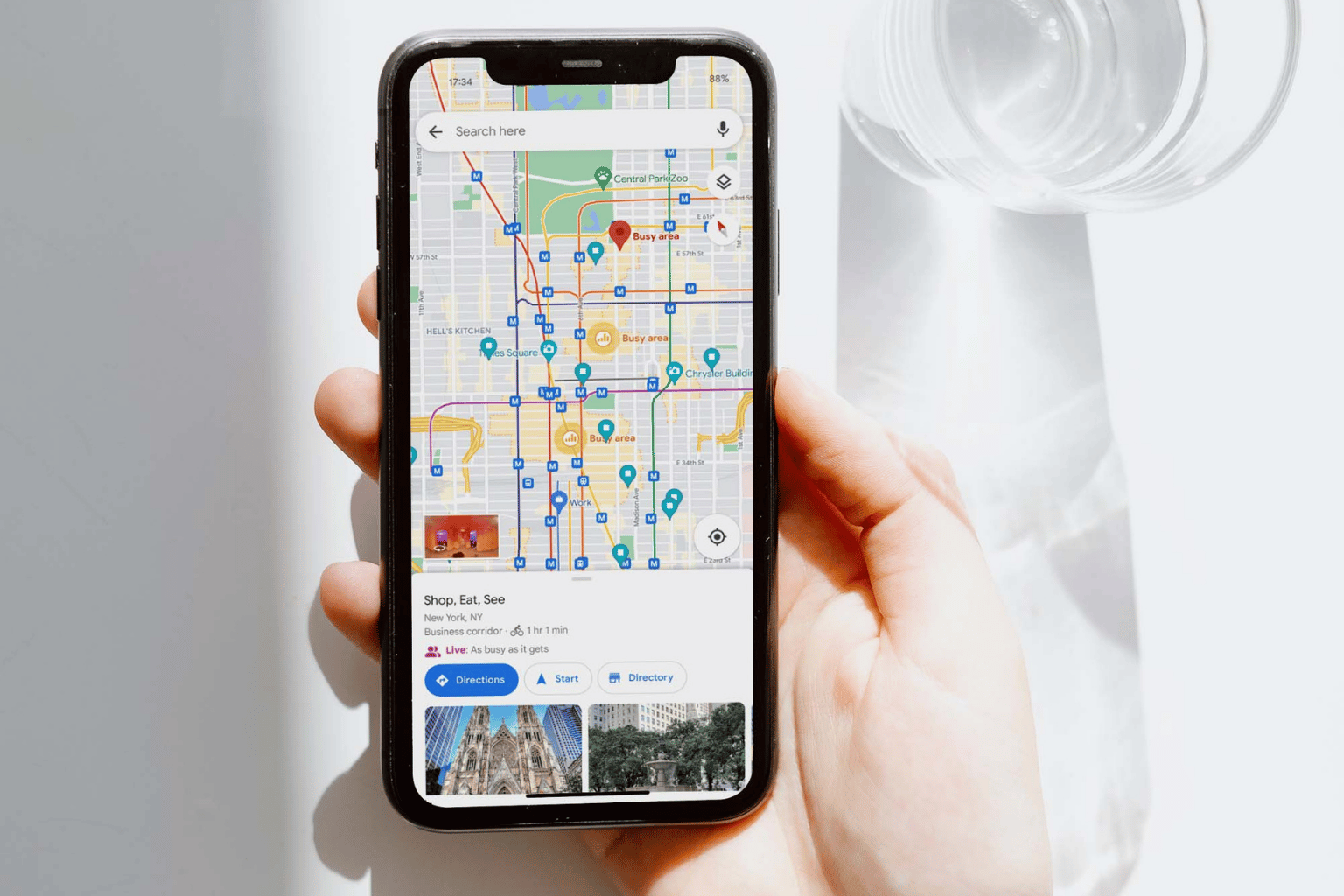
Consistency matters more than most businesses realize. If your website says you serve Los Angeles County, your business profiles list only Santa Monica, and your social posts suggest statewide service, machines and humans receive mixed signals. Keep your business name, contact details, hours, categories, service areas, and core descriptions aligned wherever customers may encounter them.
This is also where reputation becomes marketing infrastructure. Detailed, authentic reviews help prospects compare options and reveal the language customers use when describing outcomes. Encourage reviews ethically after completed work. Never script fake praise or pay for fabricated feedback. A short review explaining that a dentist calmed an anxious patient or that a moving company arrived on time carries more decision-making value than a pile of unexplained five-star ratings.
Connect AI Discovery to Your Paid Media
The practical paid-media role in a ChatGPT advertising strategy is not simply asking an AI tool to write ten ads. It is using the deeper intent found in conversational searches to improve campaign structure.
When customers repeatedly ask about cost, create an ad and landing page that address pricing ranges or the factors that affect price. If they worry about speed, build a campaign around same-day availability, realistic response times, and a prominent call option. If they are comparing premium and budget choices, separate those audiences instead of forcing one generic message to do every job.
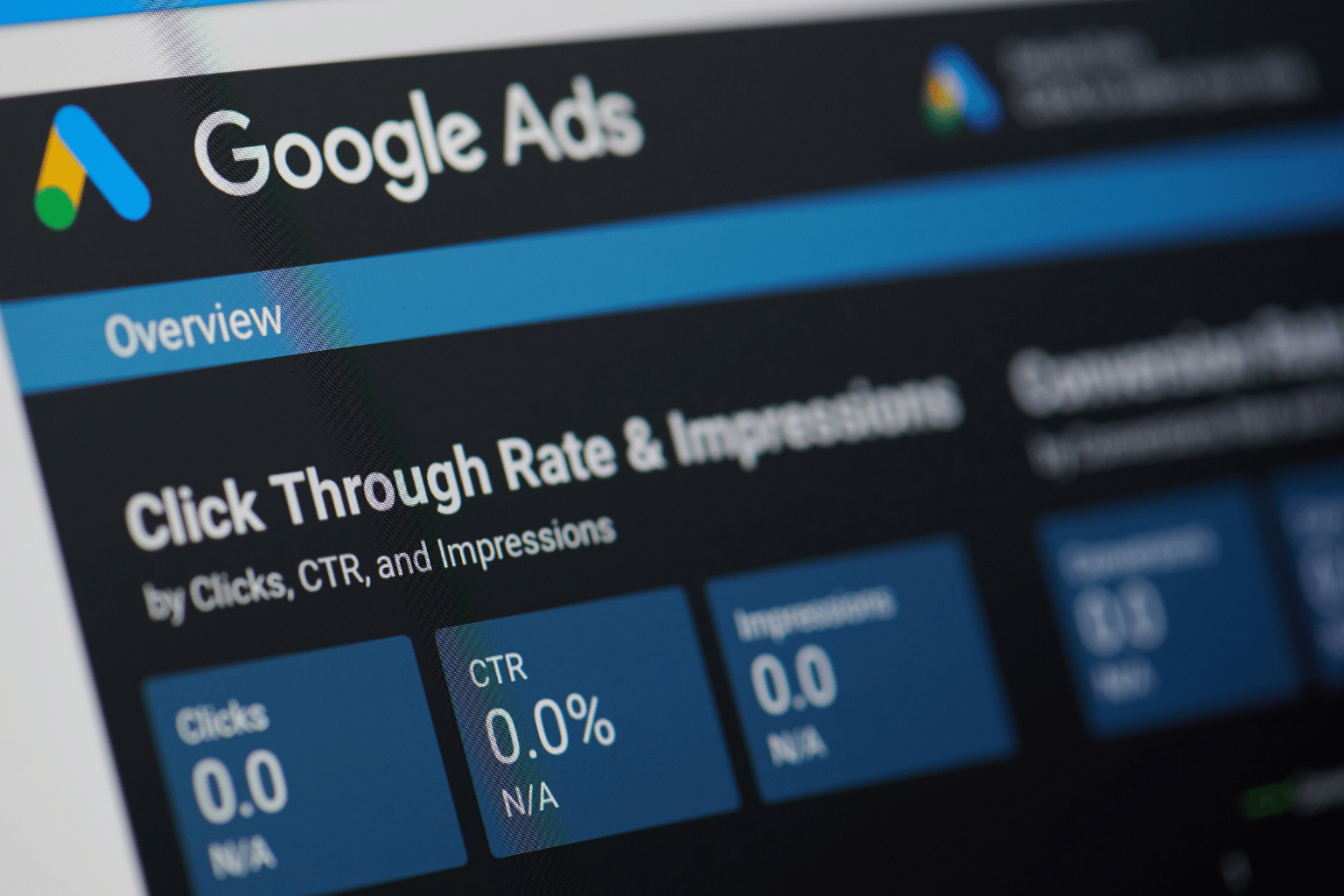
Paid search remains especially valuable because it can capture immediate demand. Local Service Ads, Google Ads, Microsoft Ads, paid social, and retargeting each have different jobs. The right mix depends on the buying cycle. An emergency restoration company may prioritize high-intent search and fast call handling. A cosmetic dentistry practice may need educational social ads and retargeting before a consultation campaign converts efficiently.
Do not send every click to the homepage. Match the landing page to the promise in the ad. If an ad offers commercial pest control for restaurants, the next page should discuss restaurant-specific risks, compliance needs, service plans, proof, and a clear way to request an inspection. Relevance lowers friction. It can also improve lead quality, which matters far more than cheap clicks.
Measure Revenue Signals, Not AI Mentions
A business can spend months checking whether it appears in AI responses and still have no idea whether marketing is creating revenue. Visibility monitoring has a place, but it is one signal among many.
Track the actions that show commercial progress: qualified calls, booked consultations, form submissions, chat leads, direction requests, estimate requests, show rates, close rates, and revenue by channel. For service businesses, call tracking and a disciplined lead log are often the missing pieces. If the team cannot tell whether a lead came from paid search, organic search, a map listing, referral, or an AI-assisted research journey, budget decisions become guesswork.
Also watch for assisted conversions. A customer may first discover your brand through an AI answer, later search your name on Google, read reviews, and call from a branded ad. That path is normal. Give channels credit for their role without pretending attribution is perfectly precise.
A Simple 90-Day Execution Plan
In the first month, audit your website, local profiles, reviews, analytics, and lead handling. Identify the pages that bring traffic but fail to convert, the services with the strongest margins, and the customer questions sales teams answer repeatedly.
In month two, strengthen the highest-value service and location pages, publish helpful decision-stage content, and create focused landing pages for priority paid campaigns. Tighten business information across your digital footprint and make it easy to call, book, or request an estimate from a phone.
In month three, test messages drawn from real buyer concerns. Compare offers, headlines, audience segments, and landing-page calls to action. Keep what produces qualified opportunities, not just activity. A transparent partner should be able to explain exactly what changed, why it changed, and what the numbers say.
Common Mistakes to Avoid
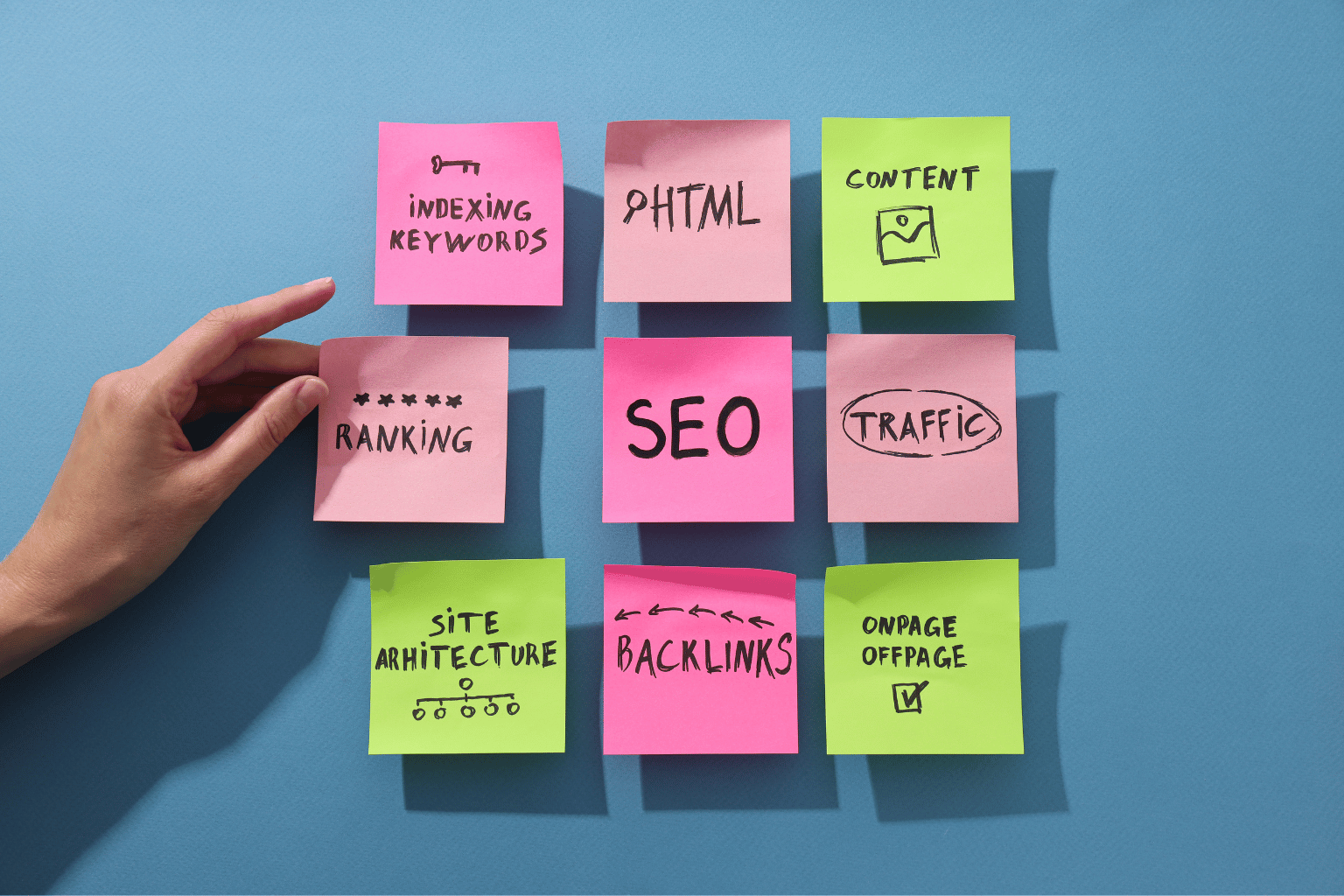
The first mistake is treating AI visibility as separate from SEO, local search, reputation, website UX, and paid advertising. Customers do not experience your marketing in separate channels. They experience one brand, often across several touchpoints.
The second is producing generic content at scale. Fifty thin pages about the best service in every nearby city are unlikely to build trust with customers or AI systems. Fewer pages with genuine local expertise, useful details, and clear proof will usually create a stronger foundation.
The third is forgetting the human follow-up. If an owner spends money to create demand but answers leads two days later, the strategy is broken before the marketing report arrives. Fast responses, clear estimates, and a simple booking process are conversion tools.
FAQs About ChatGPT Advertising Strategy
Can ChatGPT replace Google Ads?
No. ChatGPT can inform messaging, research, content planning, and AI discovery efforts, but Google Ads remains a direct way to capture many high-intent searches. The best channel mix depends on your industry, location, margins, and sales cycle.
How long does AI search visibility take?
There is no fixed timeline or guaranteed placement. Improvements to content quality, local consistency, technical site health, and reputation can strengthen visibility over time. Paid campaigns may produce data faster, while organic and AI discovery work tends to compound.
Is this only useful for tech companies?
No. Local service businesses may benefit the most because customers increasingly ask detailed, situational questions before choosing a provider. The key is translating your expertise into clear answers and an easy path to contact you.
The businesses that win in AI-driven discovery will not be the ones with the loudest marketing jargon. They will be the ones that make it simple for a real person, and the systems helping that person, to understand why they are the right next call.