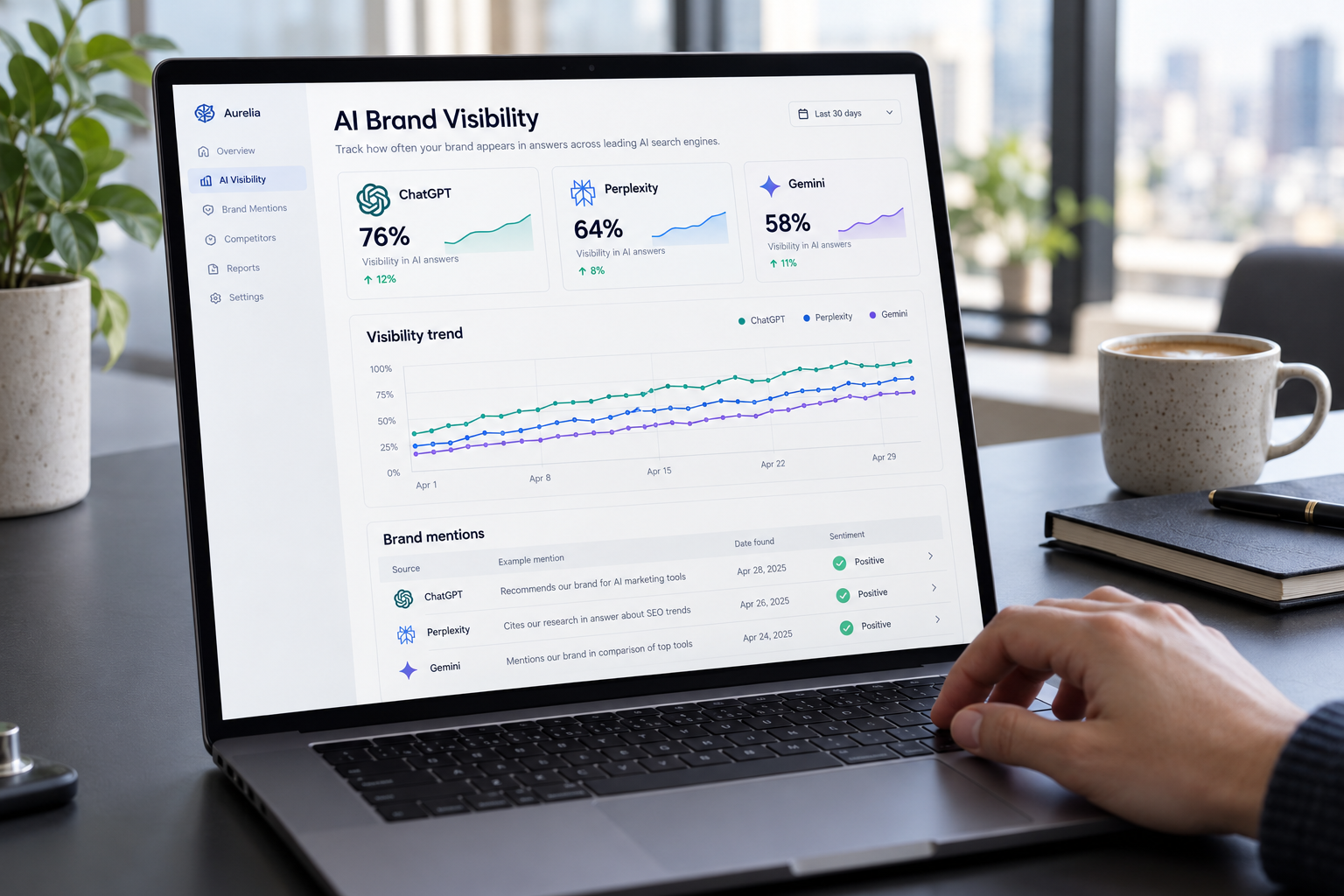

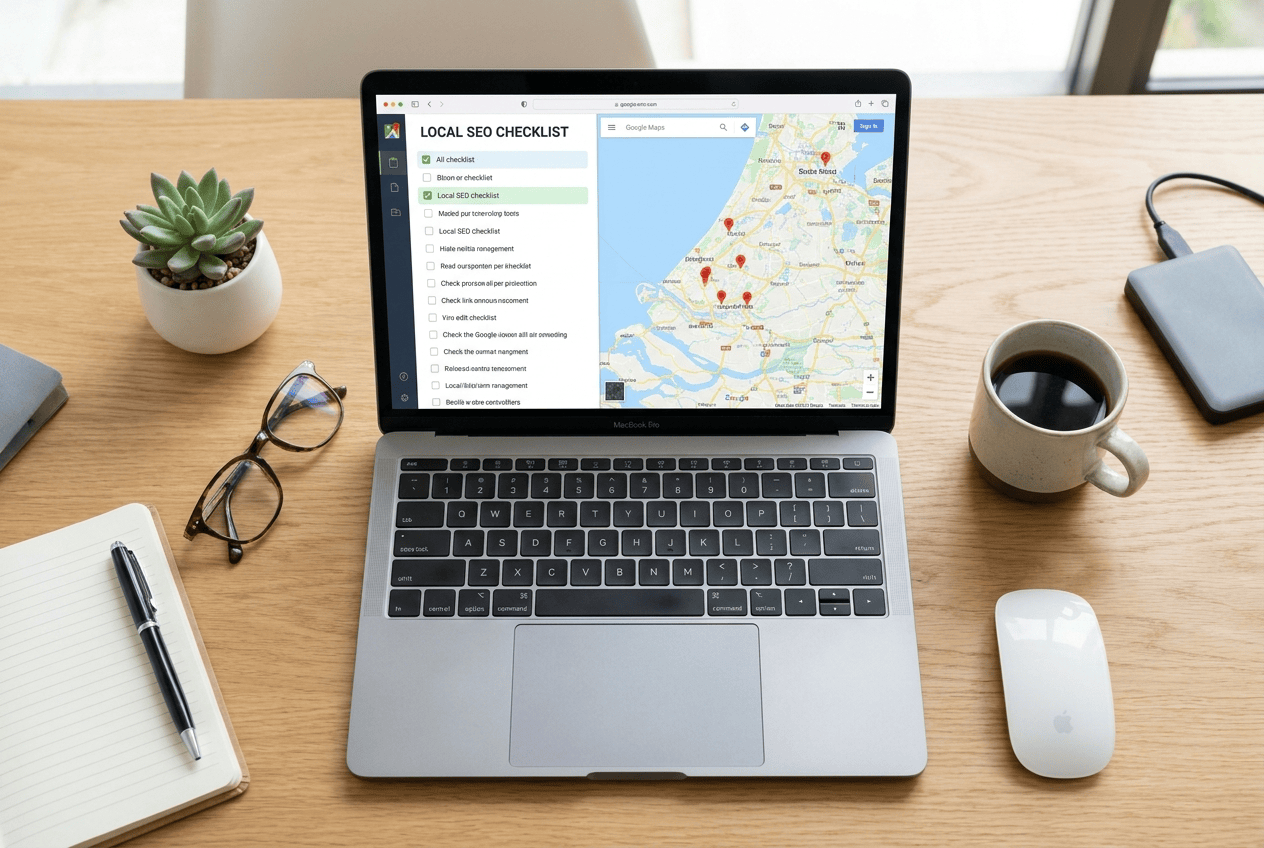
When a customer searches “plumber near me” at 7:15 a.m. or asks an AI assistant for the best family dentist nearby, they are not conducting research for fun. They need a solution. This local seo checklist helps your business show up at that high-intent moment, earn trust quickly, and turn visibility into calls, directions, bookings, and revenue.
Local SEO is not a one-time switch you flip and forget. It is the ongoing work of making your business easy for Google, Apple Maps, AI search tools, and real people to understand. The good news: small businesses can compete very effectively when the basics are accurate, useful, and consistently maintained.
Local SEO Checklist: The High-Impact Fundamentals
1. Claim and fully complete your Google Business Profile
Your Google Business Profile is often your most valuable local marketing asset. It powers your appearance in Google Maps, the local results section, calls from mobile searchers, driving directions, reviews, and much more. An incomplete profile is like putting up a storefront with no sign, no hours, and no phone number. Technically open, practically invisible.
Confirm that your business name matches the name you use in the real world. Choose the most accurate primary category, then add relevant secondary categories without stretching the truth. Include your phone number, website, service area or physical address, business hours, appointment options, accessibility details, and a concise description of what you do and who you serve.
Do not stuff keywords into your business name. “Acme Plumbing Los Angeles Emergency Plumber Drain Cleaning” may sound tempting, but it creates a poor customer experience and can trigger profile problems. Use your actual business name.
2. Make location and contact details consistent everywhere
Search platforms cross-check business information across the web. If Google finds one address, Yelp finds another, and your website lists an old phone number, confidence drops. Customers notice too, especially when they drive to the wrong location.
Audit your name, address, phone number, website URL, hours, and service areas across major directories, social profiles, map platforms, local chambers, and industry listings. If you are a service-area business that does not welcome customers at your home or office, set up your profile accordingly instead of displaying an address that should remain private.
Consistency does not mean every listing needs identical marketing copy. It means the business facts must agree.
3. Build location pages that answer real buyer questions
A generic services page rarely gives a local business enough room to compete in multiple neighborhoods or cities. Create useful location pages for the places you genuinely serve, particularly if each area has meaningful demand and distinct customer needs.
A strong location page explains the service, the geography, the problems you solve, your process, relevant proof, and the next step. For a Los Angeles HVAC company, a page about AC repair in Pasadena should not simply swap “Pasadena” for “Burbank” in the same paragraph. Talk about the service, local scheduling needs, emergency availability, customer questions, and nearby coverage honestly.
Avoid publishing dozens of thin city pages just to chase rankings. Search engines have become better at spotting copy-and-paste location spam, and AI answer engines are even less likely to cite vague, repetitive content.
4. Put local trust signals on your website
Your website should make it obvious that you are a legitimate local business. Place your phone number prominently, keep your contact information current, and make it easy to request service or schedule an appointment from a mobile device.
Add clear service descriptions, team or owner information where appropriate, photos of real work, service-area details, licensing or certification information, and customer testimonials. If you have one location, include the full address. If you cover a broad region, state the cities or neighborhoods you serve without pretending to have offices everywhere.
Technical details matter here too. Your site needs to load quickly, work well on phones, use secure HTTPS, and have pages that search engines can crawl. A beautiful site that takes eight seconds to load is a lead-generation leak.
5. Ask for reviews with a repeatable process
Reviews influence local rankings, click-through rates, and customer confidence. More importantly, they tell you what your customers value. The best review strategy is simple: ask happy customers shortly after a successful service, make the request easy, and never pressure people to write a specific message.
Train your team to ask at the right moment. A contractor might ask after a clean final walkthrough. A salon can ask after a client loves the result. A restaurant can ask after resolving a positive guest interaction. Then respond to every review, including the uncomfortable ones, with professionalism and specifics where privacy allows.
Do not buy reviews, offer incentives in exchange for positive ratings, or ask staff and relatives to manufacture feedback. It is a short-term shortcut with long-term risk.
6. Add fresh photos, services, and updates to your profile
People make local decisions fast, and visuals carry a lot of weight. Upload real, current photos of your storefront, team, products, completed work, vehicles, and interior. A polished stock photo is fine on a website in moderation, but it does not prove that your local business is active and real.
Review your listed services regularly. Add seasonal offerings, update holiday hours, and publish profile updates when there is news customers would actually care about. Think special availability, a new service line, community participation, or a timely promotion. Posting for the sake of posting is not a strategy. Staying accurate is.
Expand the Checklist Beyond Google
Google remains critical, but local discovery is more fragmented in 2026. Customers search in Apple Maps, Bing, social platforms, industry marketplaces, voice assistants, and AI-powered answer tools. That means your information and reputation need to travel well.
7. Earn local mentions and relevant links
A mention from a trusted local organization can help customers find you and reinforce your local relevance. Look for opportunities that make business sense: sponsoring a youth team, participating in a neighborhood event, contributing expertise to a local publication, joining a chamber, or partnering with complementary businesses.
The goal is not to collect random links from low-quality websites. One authentic local mention can be more useful than dozens of junk directory placements. Relevance and credibility beat volume.
8. Use structured data to clarify your business
Local business structured data is code that helps search engines interpret your company details. It can communicate information such as your business type, address, phone number, hours, service area, reviews, and services.
This is not a magic ranking button. It is a clarity tool. When it matches the visible content on your website, it reduces ambiguity and supports stronger search understanding. Have it implemented carefully, especially if your business has multiple locations or complex service areas.
9. Track leads, not just rankings
Ranking first for a broad keyword can feel exciting, but rankings do not pay payroll. Track calls, form submissions, booked appointments, direction requests, qualified leads, and closed revenue where possible.
Also pay attention to which locations, services, and pages create the best leads. A keyword with lower traffic may produce more valuable jobs because the searcher is ready to buy. This is where practical local SEO separates itself from vanity metrics.
10. Prepare for AI-powered local discovery
AI search is changing how customers research local options. Instead of typing a short phrase, they may ask, “Which Los Angeles CPA is best for a new e-commerce business?” or “Who can repair a tankless water heater near me this weekend?”
Your business needs clear, evidence-based information that can answer those questions. Publish specific service pages, explain your process, maintain accurate reviews and listings, share useful FAQs, and use real credentials and proof. AI platforms tend to favor sources that are clear, consistent, and demonstrably helpful.
Do not chase every new platform with a panic sprint. Start by fixing your core business data and website content. Those assets support visibility across traditional search and emerging AI discovery.
A Practical Monthly Local SEO Routine
Local SEO works better as a business habit than a rescue mission. Once a month, check your business hours, review new customer feedback, upload a few current photos, verify recent leads, and look for listing errors. Each quarter, review your location pages, service offerings, competitors, and local search results.
If your business has multiple locations, create a simple ownership system. Someone should be responsible for responding to reviews, someone should approve profile changes, and someone should verify that promotions and hours are current. Without ownership, details drift. Details drifting is how a competitor wins calls you should have received.
Common Local SEO Questions
How long does local SEO take to work?
It depends on your market, competition, current website quality, review profile, and proximity to the searcher. Basic profile improvements can produce movement quickly, while competitive markets and organic local rankings often require several months of consistent work. The goal is durable lead flow, not a temporary spike.
Can a business rank in nearby cities without an office there?
Yes, especially as a service-area business, but results vary by distance and competition. You can improve relevance with useful service-area content, strong local proof, accurate profile settings, and reviews. You should not create fake locations or virtual offices to manipulate map rankings.
Should I hire help for local SEO?
If you have time to maintain profiles, gather reviews, improve pages, and monitor leads, you can make meaningful progress internally. If marketing keeps getting pushed behind operations, expert support can be worthwhile. A partner such as LAv1 should explain what is being done, why it matters, and how performance connects to leads, not hide behind a mysterious monthly report.
The next customer searching nearby is not waiting for your marketing calendar to clear. Start with the listing, page, or review process that is currently costing you the most trust, then make one practical improvement this week.