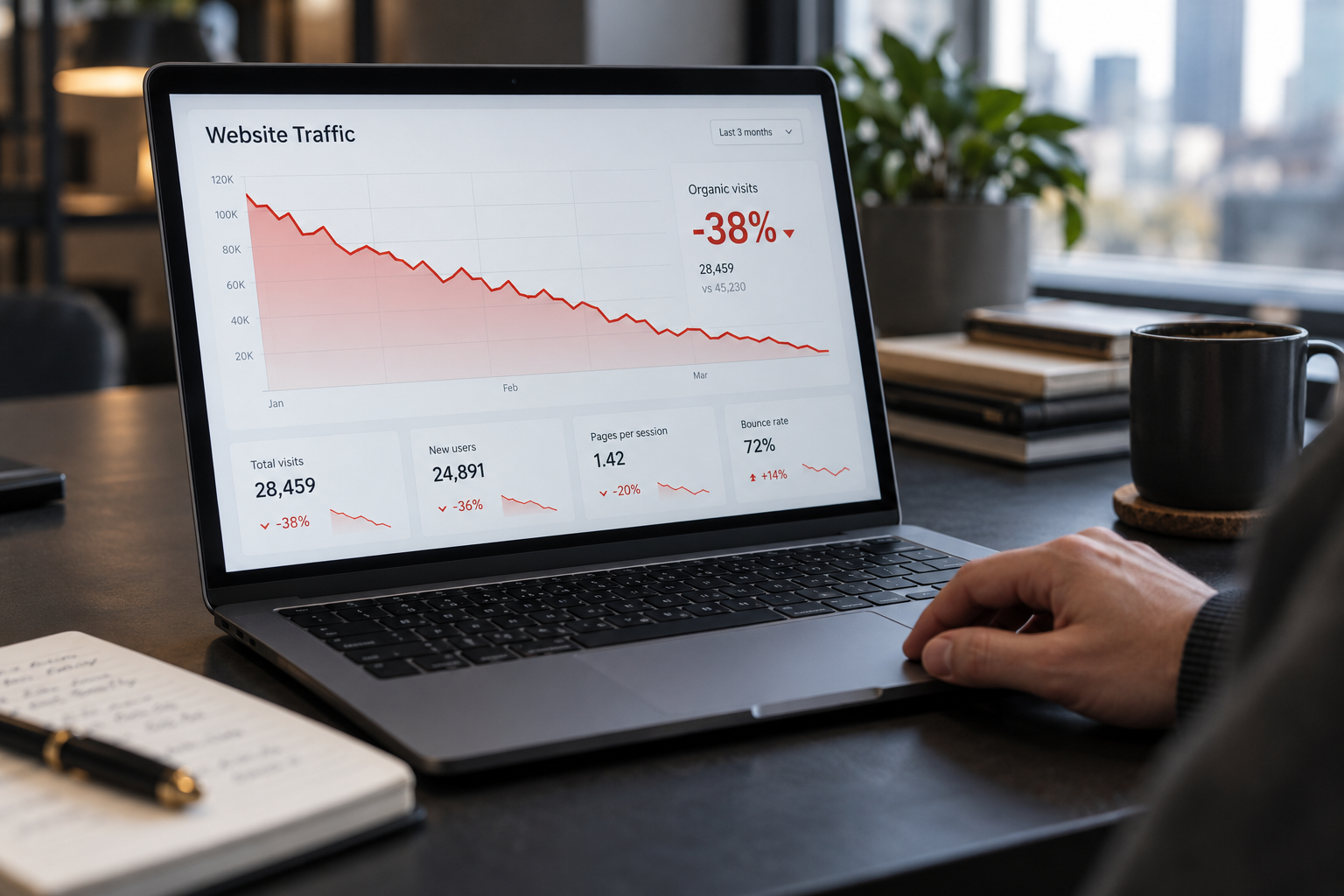


A website can look polished, load your logo perfectly, and still sit invisible on page five of Google. If you are asking, why is my website not ranking on Google?, the answer is rarely one broken setting. More often, Google sees a mix of weak signals: unclear pages, thin local relevance, technical friction, or not enough proof that your business deserves to be recommended.
For a small business, that invisibility is expensive. It means competitors get the calls, quote requests, and walk-ins from people already searching for what you sell. The good news: rankings are not magic. They are the result of helping search engines understand your site and helping customers trust it.
Start with the question behind the search
Google does not rank a website because it contains a few keywords. It ranks individual pages that appear to be the best answer for a specific search.
A plumber’s homepage may rank for the business name, but it will not automatically rank for searches such as “emergency plumber near me,” “water heater repair in Pasadena,” or “how much does a sewer line inspection cost.” Each search has a different intent. One person needs help immediately, another is comparing providers, and another is researching before spending money.
If your site has one general services page trying to cover every offering, city, and customer question, Google may not know when to show it. Neither will a stressed customer who needs an answer in 30 seconds.
Your pages may be targeting the wrong terms
Business owners often optimize for industry language instead of customer language. You may call your service “residential exterior restoration,” while local homeowners search “house painters near me.” Both phrases can matter, but the page should lead with the wording people actually use.
Before changing copy, check what each important page is supposed to rank for. Assign one primary topic and a few closely related phrases to each page. Then make sure the page genuinely answers that search, from the headline and opening copy to service details, pricing context, service area, and next step.
Why is my website not ranking on Google for local searches?
Local rankings run on a slightly different engine. Google needs confidence that your business is real, relevant to the area, and trusted by nearby customers. A great website helps, but it cannot carry local visibility by itself.
Your business profile, reviews, address or service-area setup, categories, photos, and consistent contact information all affect whether you appear in local results. If your name, phone number, or address differs across major listings and your website, that creates avoidable confusion.
Location pages can help, but only when they are useful. A page about serving Los Angeles should explain the services you provide there, the neighborhoods or areas you serve, relevant local experience, and how customers can contact you. Creating 30 near-identical city pages with only the city name swapped is not a local SEO strategy. It is digital wallpaper, and Google has seen plenty of it.
Reviews matter because they influence both trust and conversion. Ask satisfied customers for honest reviews consistently, respond professionally, and never manufacture them. A steady pattern of real feedback beats a sudden batch of suspicious five-star praise.
Technical problems can keep a good page out of the race
Sometimes the problem is not content. It is that Google cannot properly access, understand, or index the site.
Common technical issues include pages blocked from crawling, accidental noindex tags, broken redirects, duplicate versions of the same page, slow mobile performance, and poor internal linking. A website redesign can also cause rankings to drop when old URLs are removed without redirecting them to the most relevant new pages.
Mobile experience deserves special attention. Your visitors are often searching from a phone between appointments, during lunch, or while standing in a parking lot. If the page takes too long to load, buttons are hard to tap, forms are frustrating, or a pop-up covers the screen, people leave. That sends a poor usability signal and wastes paid traffic too.
Indexing is not the same as ranking
A page can be indexed by Google and still rank nowhere meaningful. Indexing only means Google knows the page exists. Ranking means Google believes it is a strong answer compared with every competing page.
Check whether your important pages appear in Google when you search for their exact page titles or use a site search. If core pages are missing entirely, investigate technical setup first. If they appear but rank poorly for relevant searches, focus on relevance, quality, authority, and local signals.
Your content may be too thin, too generic, or too sales-heavy
Many service websites say the same things: quality work, experienced team, competitive pricing, customer satisfaction. None of those claims are bad. They are just not enough to separate you from the next 20 businesses saying exactly the same thing.
Google’s systems increasingly look for signs of real experience and useful depth. Customers do too. Add the details only your business can provide: your process, what affects a project timeline, service limitations, before-and-after examples, credentials, frequently asked questions from actual calls, and outcomes from real jobs.
A strong service page does not need to become a textbook. It needs to remove doubt. Tell the visitor what happens first, who the service is for, what they can expect, and how to get started. If pricing varies, explain why it varies rather than hiding behind “contact us for a quote.”
Avoid publishing blog posts just to hit a content quota. Ten vague articles will not outperform one practical page that answers a high-value customer question better than anyone else in your market.
Google may not have enough reason to trust your business yet
Authority is built over time. Newer websites, businesses in competitive markets, and sites with little independent recognition may take longer to earn prominent rankings.
Links from relevant, credible websites still matter, but the goal is not collecting random backlinks. A mention from a local chamber, trade organization, respected supplier, community publication, or legitimate industry resource can be far more valuable than hundreds of low-quality directory links.
Trust also lives on your own site. Make it obvious who runs the business, how to contact you, where you operate, and why customers should believe your claims. Include clear service information, real team or owner details where appropriate, customer proof, licenses or certifications that matter in your field, and policies that reduce buyer hesitation.
For sensitive industries such as legal, financial, health, or home services involving major purchases, vague claims create a bigger credibility gap. Specificity wins.
Do not ignore the competition already owning the results
SEO is relative. Your site may be improving while competitors are improving faster. In Los Angeles and other crowded markets, established businesses may have years of reviews, location signals, content, and earned mentions behind them.
That does not mean you should try to outrank the largest company for every broad keyword on day one. Look for realistic opportunities with clear buying intent. A specialized service, neighborhood-focused query, comparison question, or urgent problem can be a better starting point than a massive head term.
This is where strategy matters more than publishing volume. Prioritize pages that can generate revenue, not vanity traffic. A page that brings five qualified leads a month can be more valuable than a blog post with 5,000 visits from people who will never hire you.
Search is expanding beyond the classic blue links
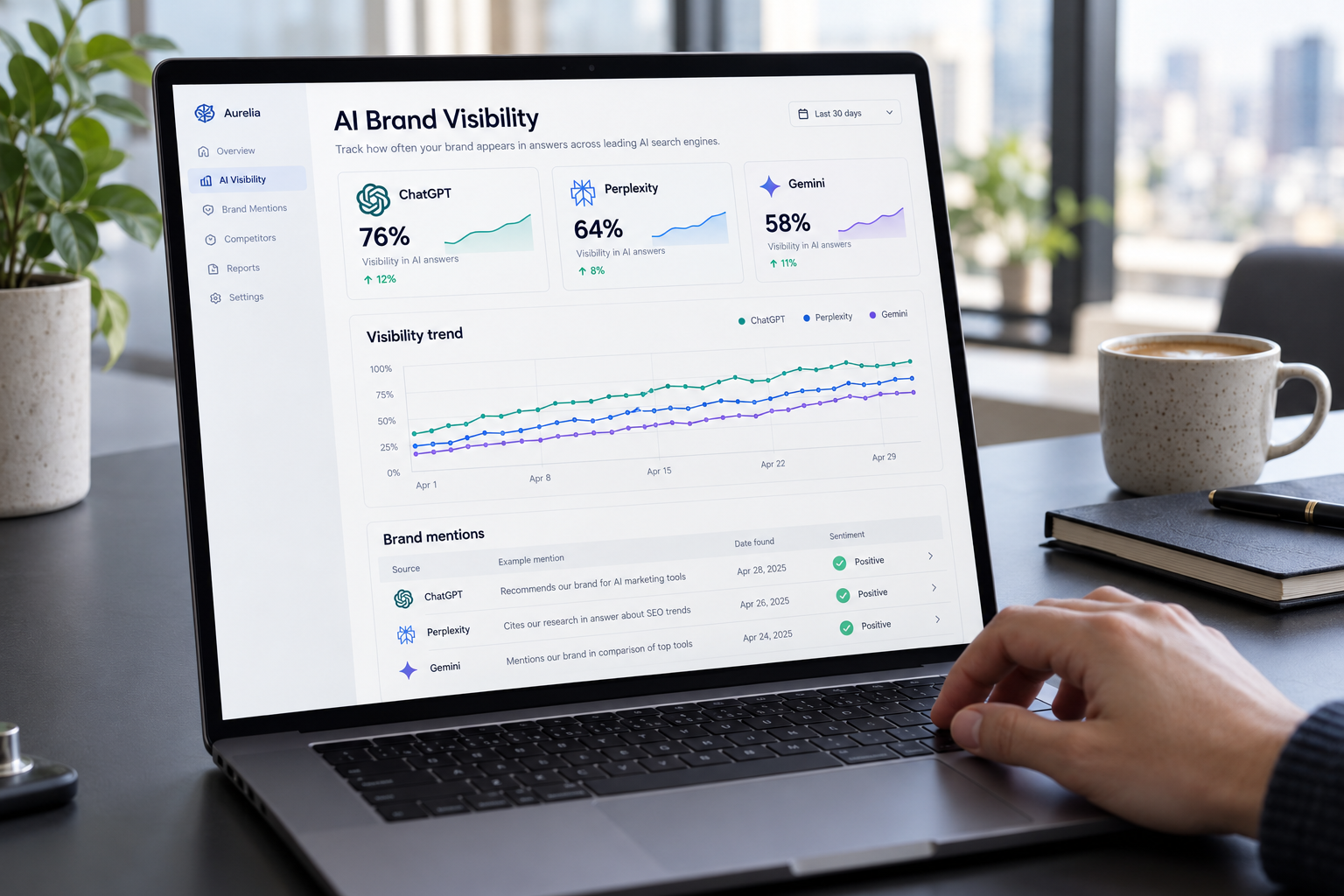
Google rankings still matter, but customers now encounter answers through map results, featured snippets, AI summaries, image results, video, and AI search tools. That changes how a small business should think about visibility.
The foundation remains the same: clear pages, accurate business information, useful expertise, and credible proof. Content written with direct answers, structured service details, and original experience is easier for search engines and AI systems to understand and cite.
Do not chase every new platform at the expense of your website. Your site remains the asset you control. Build it as the source of truth, then make sure every major service and customer question is covered clearly enough to be discovered wherever people search.
A practical order for fixing weak rankings
When everything feels broken, start with the highest-impact work. First, confirm Google can crawl and index your core pages. Next, tighten your business profile and local information. Then improve the pages tied directly to your highest-value services, followed by credibility assets such as reviews, case studies, and relevant mentions.
Measure more than keyword positions. Watch calls, form submissions, booked appointments, direction requests, and revenue from organic traffic. Rankings are useful evidence, but leads are the scoreboard.
How long does it take to rank on Google?
It depends on your market, website history, competition, and the size of the gap you need to close. Technical fixes can produce movement relatively quickly once Google recrawls the site. Building meaningful local authority and competitive organic rankings often takes months of consistent work.
Be wary of anyone promising a #1 ranking by a specific date. Search results change constantly, and no agency controls Google. A credible plan explains what will be improved, why it matters, how progress will be measured, and what trade-offs come with the budget.
Your website does not need more random marketing activity. It needs a clear path from search query to trusted answer to customer action. Start with the pages closest to revenue, fix the barriers that keep Google from understanding them, and keep building proof that your business is worth choosing.