

AI summary: AI is not replacing SEO. It is changing where customers discover answers, which businesses get cited, and how quickly a search becomes a lead. Small businesses that pair strong local SEO, helpful content, credible proof, and conversion-ready websites can compete for visibility in both Google and AI-driven search.
AI and the future of SEO is not a theoretical topic for small business owners anymore. A homeowner asks ChatGPT for a trusted roofer, a parent uses Google to compare nearby tutors, or a buyer asks Perplexity which accounting firm handles a specific problem. If your business is missing from the sources these tools trust, you can lose the conversation before the customer ever sees a traditional search result.
That sounds dramatic, but it is not a reason to throw out your SEO plan and chase every shiny AI feature. It is a reason to improve the fundamentals and make your business easier for both people and machines to understand, verify, and recommend.
How AI Is Changing Search Behavior
Traditional SEO focused heavily on earning rankings and clicks. Those goals still matter. But AI search is creating more zero-click moments, where a customer gets a useful answer directly in Google or an AI platform without opening several websites.
For a small business, this changes the job of marketing. You do not only want to rank for a broad phrase like plumber in Los Angeles. You want your business to be a credible answer when someone asks which plumber handles tankless water heater repairs, offers same-day service, or serves a specific neighborhood.
AI systems synthesize information from many places. Your website is central, but it is not the only signal. Business profiles, reviews, reputable mentions, service pages, local directories, videos, expert commentary, and consistent business information can all influence how clearly your brand appears across the web.
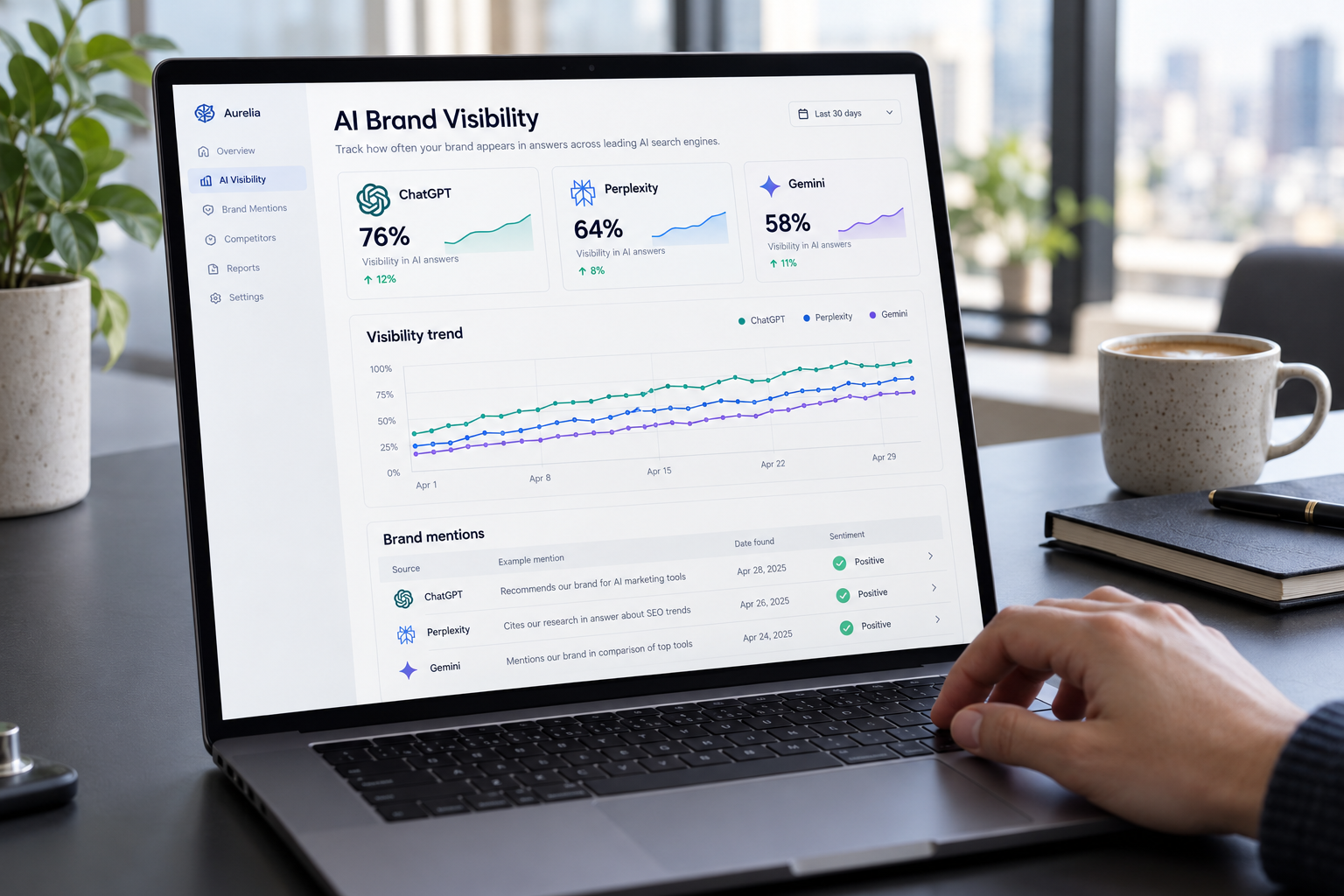
The catch is that an AI mention is not a guaranteed traffic source. Sometimes the platform names a business. Sometimes it summarizes the answer and sends no visit at all. That is why the right goal is broader than rankings: build discoverability, trust, and a path to conversion wherever customers encounter your brand.
What Still Works in SEO
The good news: Google has not suddenly stopped rewarding useful, technically sound websites. AI has made those basics more valuable, not less.
A well-organized site helps search engines understand your services. Clear location pages help local customers find you. Fast pages, mobile usability, accurate titles, internal linking, and clean technical foundations reduce friction. None of this is glamorous, but neither is losing a lead because a customer cannot find your phone number on a mobile screen.
Helpful content remains a major advantage. The difference is that generic articles written to repeat a keyword are less likely to stand out. A page that answers a real customer question with specifics, examples, pricing context where appropriate, qualifications, and next steps has a better chance of helping a visitor and being useful to an AI system.
Firsthand proof matters even more. Show the work. Include project photos, case studies, customer outcomes, team credentials, service-area details, and genuine reviews. Bigger competitors may have larger budgets, but a local business often has something more persuasive: direct experience with the exact problems local customers need solved.
AI and the Future of SEO: Visibility Beyond Rankings
Think of traditional rankings as shelf placement. AI visibility is closer to a knowledgeable salesperson being asked for a recommendation. The salesperson needs enough accurate information to explain what you do, who you help, where you operate, and why a customer should consider you.
That means every core page should answer practical questions clearly. A service page should not merely say you provide commercial landscaping. It should explain the types of properties you serve, the scope of work, service areas, timelines, differentiators, and how to request an estimate. Specificity gives search engines context and gives buyers confidence.
For local businesses, consistency is essential. Your company name, address, phone number, website, hours, and services should match wherever customers find you. Conflicting details make people hesitate and can muddy the signals that search platforms use to confirm your business.
Reviews also move beyond star ratings. Detailed reviews can reinforce the services, locations, and outcomes associated with your company. Encourage honest feedback after completed work, and respond professionally. A thoughtful response is not just customer service. It is public evidence that a real business is paying attention.
What AI Cannot Do for Your Marketing
AI can speed up research, content outlines, reporting, and repetitive tasks. It can help a lean team produce more consistently. It cannot manufacture trust, local reputation, or a compelling offer.
It also cannot reliably replace human judgment. An AI-generated service page may sound polished while saying almost nothing distinct. It may miss local nuance, misuse industry terms, or make claims your business cannot support. Publishing that content at scale is like handing out thousands of business cards with the wrong phone number. More volume does not fix a weak message.
Use AI as an assistant, not an autopilot. Let it help organize ideas and identify content gaps, then add the expertise only your business has: what customers ask before buying, what causes projects to fail, what your process looks like, and what results are realistic.
A Practical 2026-2027 SEO Checklist
The businesses best positioned for AI discovery will not necessarily publish the most content. They will make the strongest evidence of relevance and trust easy to find. Start with these priorities:
- Audit your core service and location pages. Make each one specific, current, easy to scan, and built around a real buying decision.
- Strengthen your Google Business Profile with accurate categories, services, photos, updates, and review responses.
- Publish answers to high-intent questions your sales team hears repeatedly, especially questions about cost, timing, eligibility, comparisons, and service coverage.
- Add proof throughout the website, including testimonials, credentials, before-and-after examples, project details, and clear contact options.
- Track more than rankings. Monitor qualified calls, form submissions, booked appointments, branded searches, conversion rates, and leads from organic traffic.
The final point is where many campaigns go sideways. AI search may affect impressions and clicks differently by industry. A drop in informational traffic is not automatically bad if your website earns more calls from people who are ready to buy. On the other hand, a rise in visibility means little if visitors land on a confusing page and leave.
The Right Measurement Question
Instead of asking, Did we rank number one this month? ask, Are more qualified customers finding and choosing us?
Rankings are still a useful diagnostic. So are AI citations and mentions when they can be observed. But revenue-focused measurement keeps the strategy grounded. A local dentist may care most about new patient calls. A B2B consultant may care about booked discovery calls. An ecommerce brand may care about product page revenue and repeat purchases.
Your SEO plan should match that reality. If the business needs leads now, combine organic improvements with paid search for high-intent terms. If a site is technically weak, fix the foundation before publishing twenty new blog posts. If your market relies heavily on local trust, prioritize reviews, profiles, and proof before chasing broad national keywords.
FAQ
Will AI make Google SEO obsolete?
No. AI platforms still need reliable information, and Google search remains a major source of customer discovery. The smarter approach is to improve the assets that support both: a trustworthy website, strong local presence, helpful content, and clear brand signals.
Can a small business appear in ChatGPT or AI search results?
Yes, but there is no button that guarantees inclusion. Businesses improve their chances by creating accurate, useful information, earning credible third-party validation, maintaining consistent local data, and building a site that clearly explains their expertise.
Should we create content with AI?
Use AI to support the process, not to replace subject-matter expertise. A human should review every claim, add real examples, and ensure the page reflects how your business actually operates.
The businesses that win the next phase of search will be the ones that are easiest to trust. Make your expertise visible, make your local presence accurate, and make it simple for a ready-to-buy customer to take the next step.