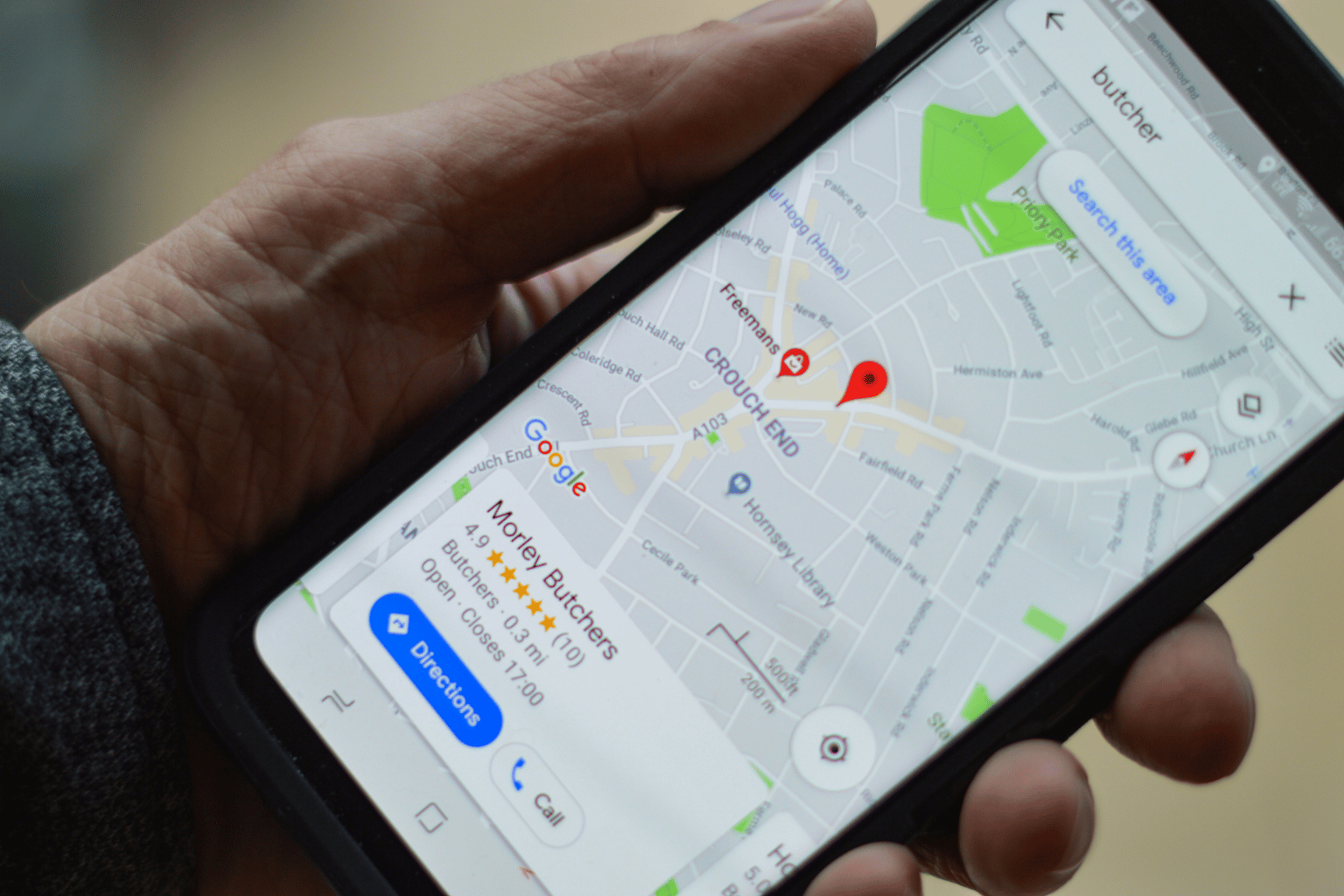


A homeowner with a sparking outlet is not researching electrical theory. They are searching “electrician near me,” checking reviews, and calling the first company that looks credible, nearby, and available. If your business does not show up in that moment, a competitor gets the job.
That is why local SEO for electricians is not about chasing vanity rankings. It is about owning the searches that lead to panel upgrades, emergency repairs, EV charger installations, rewiring projects, and service calls in the neighborhoods you actually serve.
What Local SEO Means for an Electrical Business
Local SEO is the work that helps your electrical company appear when people search for services in a specific geographic area. It influences your placement in Google Maps, the local business results beneath the map, regular Google results, and increasingly, AI-generated search answers that recommend nearby providers.
For an electrician, the highest-value searches are usually practical and urgent: “licensed electrician in Pasadena,” “electrical panel upgrade near me,” or “electrician open now in Los Angeles.” A good local strategy makes it easy for search engines and potential customers to understand three things: what you do, where you do it, and why they should trust you.
That sounds simple. It is not always simple in a competitive market. A one-truck operation can compete with a larger electrical contractor, but it needs sharper location signals, stronger proof, and a website that turns attention into calls.
Local SEO for Electricians Starts With Google Business Profile
Your Google Business Profile is often the first impression customers get of your company. It powers your visibility in Google Maps and local search results, which makes it one of the highest-return assets for a service business.
Complete every relevant field with real, consistent information. Use your legal business name, accurate primary phone number, business hours, service area, website, and a precise description of your services. Choose categories carefully. “Electrician” should generally be the primary category, while secondary categories should only reflect services you genuinely provide, such as electrical installation service or EV charging station contractor.
Photos matter more than many owners expect. Add clear photos of your team, branded vehicles, completed work, electrical panels, EV charger installations, and office or dispatch setup where appropriate. Avoid generic stock images. Customers want evidence that a real local company will arrive at their door.
Keep the profile active, but do not confuse activity with progress. Posting occasionally can help reinforce services and seasonal offers, yet accurate information, reviews, relevant categories, and proximity usually have more impact on local visibility. If you change hours, add a service, or move locations, update it immediately.
Build Service Pages That Match How Customers Search
Many electrician websites have one broad service page and a contact form. That structure leaves money on the table because customers do not search broadly when they know what they need.
Create useful, focused pages for priority services such as electrical repairs, breaker panel upgrades, whole-home rewiring, outlet and switch repair, lighting installation, generator installation, commercial electrical work, and EV charger installation. Each page should explain the problem, the service process, the types of properties served, and what a customer should do next.
A panel upgrade page, for example, should address signs a panel may be outdated, capacity considerations for modern appliances, permitting expectations, and why a licensed electrician matters. It should not be a thin page that swaps “panel upgrade” into the same paragraph used across every service.
Location pages can also work well, but only when they provide real local value. A page for Burbank should not be a cloned version of a page for Glendale with the city name changed. Reference the services you offer there, the types of homes or commercial properties you serve, practical service-area details, and relevant customer questions. Thin city-page farms are a shortcut with a short shelf life.
Use Clear Conversion Paths
An electrician website does not need clever navigation. It needs to make the next step obvious. Put a click-to-call phone number in a visible mobile position, state your hours or emergency availability clearly, and keep forms short.
If you offer estimates, say what customers can expect. If pricing depends on an onsite diagnosis, be direct about that too. Transparency filters out poor-fit leads and builds trust with the customers you want.
Reviews Are a Ranking Signal and a Sales Tool
A five-star rating looks great, but review quality and recency also influence whether a homeowner chooses to call. A profile with dozens of detailed, recent reviews usually earns more confidence than one with a perfect rating from three years ago.
Build a repeatable review request process. Ask after a successful job, when the customer has seen the finished result and the positive experience is fresh. A short text or email request is enough. Make it easy, but never offer incentives in exchange for reviews or pressure customers to leave only positive feedback.
The best reviews naturally mention the work performed, the area served, professionalism, responsiveness, and communication. You cannot script those details, and you should not try to. You can earn them by showing up on time, explaining the issue plainly, and leaving the work area clean.
Respond to reviews, including the occasional negative one. Keep your reply calm, factual, and respectful. Never argue publicly. A thoughtful response tells future customers that your company takes accountability seriously.
Keep Your Business Information Consistent Everywhere
Search engines look for confirming signals across the web. If your company name, address, phone number, or hours differ from one directory to another, that creates confusion for both algorithms and customers.
Audit major business listings, local directories, social profiles, trade association profiles, and supplier directories. Your core business information should match your Google Business Profile and website. This is especially critical after a move, rebrand, phone-number change, or expansion into a new service area.
Citations alone will not push an electrician to the top of Maps. Think of them as foundational wiring: not flashy, but a problem if they are loose or inconsistent.
Prepare for AI Search Without Chasing Hype
Local discovery is no longer limited to ten blue links. People are asking AI tools questions such as, “Who installs EV chargers near me?” or “What should I ask an electrician before upgrading my panel?” Search engines and AI platforms pull from clear, trustworthy business information to form answers.
The practical response is not to stuff your site with AI buzzwords. It is to publish information that answers real customer questions accurately. Explain your licensing, insurance, service areas, specialties, process, warranties, and common electrical concerns in plain English.
For 2026 and beyond, businesses that communicate clearly will have an advantage. AI systems tend to favor sources with consistent facts and useful context, while customers still need proof that the company is local, legitimate, and reachable. Your website, Google Business Profile, reviews, and local mentions should all tell the same story.
Measure Calls, Booked Jobs, and Revenue
Rankings are useful, but they are not the finish line. Track the outcomes that make payroll easier: calls from Google Business Profile, website form submissions, booked estimates, cost per lead, close rate, and revenue by service type.
This data changes decisions. If EV charger pages generate fewer leads but those leads close into higher-value jobs, they may deserve more investment than a high-traffic page for minor outlet repair. If one city produces calls but poor close rates because it is too far from your base, adjust your targeting rather than celebrating the traffic.
Local SEO takes time, especially in crowded areas. Quick improvements may come from fixing an incomplete profile or broken website experience. Sustainable visibility comes from steady review generation, useful service content, clean business data, and proof of local relevance.
Common Questions About Local SEO for Electricians
How long does local SEO take for an electrician?
Some improvements can appear within weeks after correcting profile issues and strengthening service pages. In competitive markets, meaningful gains commonly require several months of consistent work. The timeline depends on your starting visibility, review profile, competition, service area, and website condition.
Should electricians target every nearby city?
Not necessarily. Target the areas you can serve profitably and reliably. Expanding too far can lead to longer drive times, weaker customer experience, and wasted marketing spend. Start with your core territory, then grow based on actual lead and revenue data.
Can a small electrical company outrank larger competitors?
Yes. A smaller company can win local searches with a complete Google Business Profile, strong recent reviews, well-built service pages, consistent listings, and a fast website that makes calling easy. Larger companies often have bigger budgets, but they also frequently rely on generic marketing.
The most effective local strategy is the one that reflects how your electrical business actually operates. Be specific about your services, honest about your coverage area, and relentless about making it easy for a nearby customer to choose you when the lights go out.