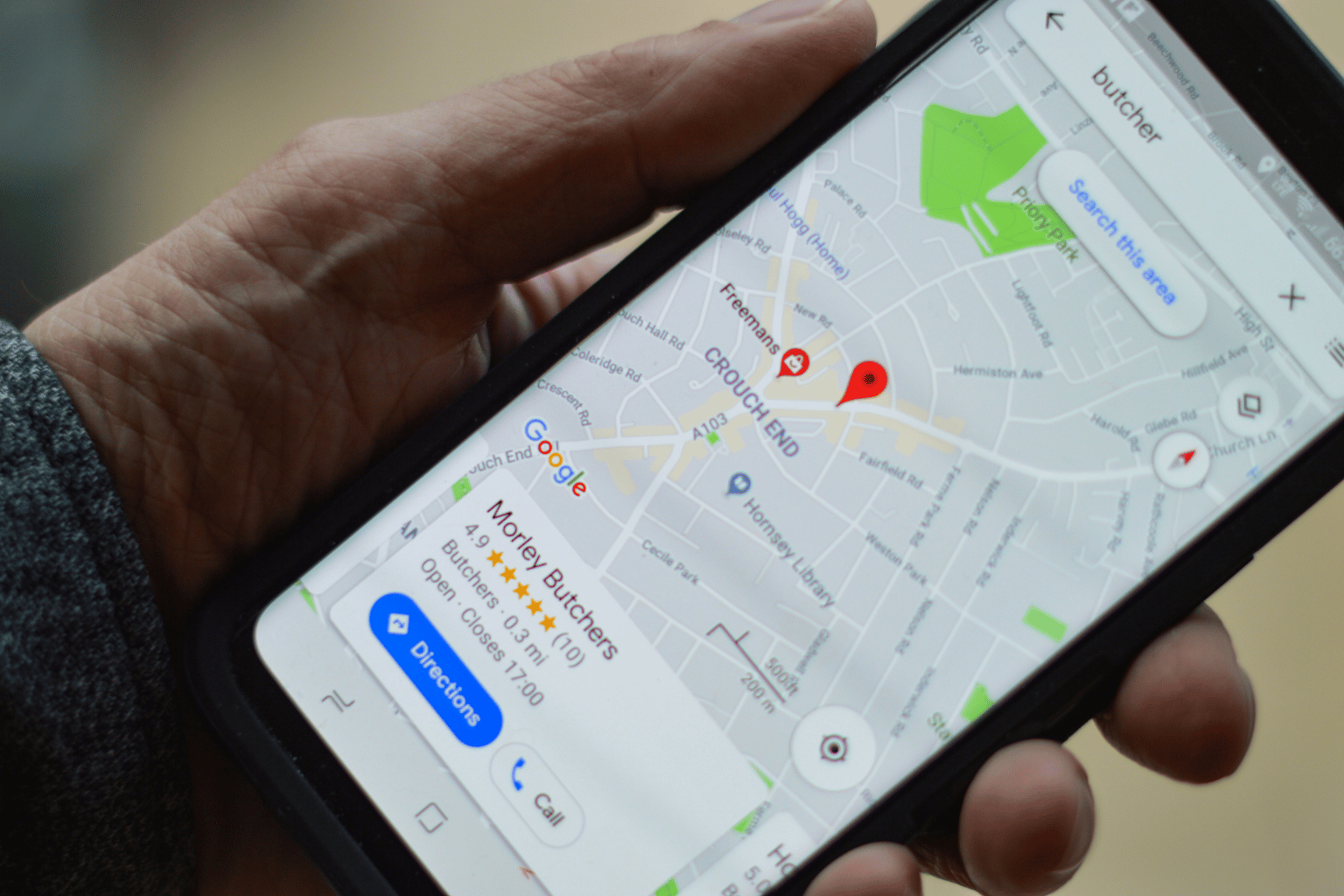


A patient with a cracked crown is not shopping around for a clever brand slogan. They are typing “emergency dentist near me,” checking the map, scanning reviews, and calling the practice that feels credible and close. If your office is absent or buried in those results, a competitor gets the appointment before your website has a chance.
Local SEO for dentists is the process of making your practice easier to find, trust, and contact when people search in and around your service area. Done well, it supports the calls, direction requests, online bookings, and new-patient revenue that make marketing worth the effort. Done poorly, it becomes a monthly report full of rankings that never fill the schedule.
Why local search is different for dental practices
Dental marketing has a built-in advantage: demand is intensely local. Most patients want a dentist near home, work, their child’s school, or the route they drive every day. Even patients researching cosmetic work or implants will usually narrow their choices by location before committing.
Google’s local results generally weigh three broad signals: relevance, distance, and prominence. You cannot change a searcher’s physical location, and you should not try to game it with fake addresses. You can make your relevance and prominence much clearer through accurate business information, useful location-specific content, credible reviews, and a website that answers real patient questions.
The goal is not to rank for every dental phrase across an entire metro area. A single-location practice in Los Angeles does not need to pretend it serves every neighborhood from Santa Monica to Pasadena. It needs to become the obvious choice for the places it can genuinely serve. That focus produces better leads and fewer awkward calls from patients who are an hour away.
Build the foundation for local SEO for dentists
Treat your Google Business Profile like a front door
Your Google Business Profile often creates the first impression before a patient ever reaches your site. Complete it with your exact practice name, current address, local phone number, business hours, website, appointment URL, services, and the most specific primary category available for your practice.
Accuracy matters more than stuffing keywords into every field. A name packed with “best cosmetic emergency dentist Los Angeles” may look tempting, but it creates a poor patient experience and can trigger profile problems. Use the real-world practice name used on signage and official materials.
Add recent, authentic photos of the exterior, reception area, treatment rooms, team, and dentists. Patients are making a trust decision, not admiring stock photography. Update holiday hours, temporary closures, and new services promptly. An unanswered profile can make a well-run office look closed or disorganized.
Make your website answer appointment-ready questions
A polished homepage is not enough. Each important service should have a dedicated, helpful page written for patients, not search bots. Explain who the service is for, what the first visit involves, common concerns, expected timelines, and how to book.
For example, an emergency dentistry page should clearly say what qualifies as an emergency, what to do about a knocked-out tooth, whether same-day appointments are available, and how to reach the office after hours. An implant page should address candidacy, consultation steps, healing expectations, and financing at an appropriate level without making guarantees.
Your contact details should be easy to find and match your business profile exactly. Include the office address, phone number, hours, map information, and clear booking options. Mobile experience is nonnegotiable. A patient in pain will not pinch, zoom, and hunt through a slow page just to give you money.
Use local content with restraint
Location pages work when they help a real person. A page for a neighborhood can explain the office’s proximity, parking details, transit access, nearby landmarks, or patient conveniences. It should not be a copy-and-paste page where only the city name changes.
For one physical office, prioritize your actual city and the nearby areas from which patients realistically travel. If you operate multiple legitimate offices, give each location its own accurate page, profile, hours, team details, and unique supporting content. Thin pages for dozens of cities may create noise, but they rarely create durable visibility.
Reviews are a conversion asset, not a vanity metric
A strong review profile does more than influence local rankings. It answers the questions patients do not always ask directly: Is the staff kind? Are appointments on time? Is the office clean? Do they explain treatment clearly? Can they handle nervous patients?
Build a consistent process for requesting feedback after a positive, completed experience. Train the front desk to make the ask naturally, then send a simple follow-up through an approved method. Do not offer incentives for positive reviews, pressure patients, or filter requests so only happy patients are invited. Those shortcuts create compliance and reputation risks.
Respond to reviews thoughtfully. A short thank-you for positive feedback is useful. For a negative review, avoid discussing treatment details or protected health information. A calm response that invites an offline conversation shows prospective patients that the practice takes concerns seriously.
The local visibility checklist that actually matters
If your local presence feels scattered, start here. These are the items most likely to affect whether a patient can find and choose your practice:
- Verify that your practice name, address, phone number, website, and office hours are consistent everywhere patients encounter them.
- Complete and regularly update your Google Business Profile with accurate categories, services, photos, and booking details.
- Create useful pages for your highest-value services, especially services that drive urgent or high-intent searches.
- Request reviews consistently and respond with professionalism, protecting patient privacy at all times.
- Track calls, form submissions, online appointments, direction requests, and qualified new-patient leads rather than rankings alone.
The last point is where many campaigns go sideways. Ranking first for a low-value term is not the same as generating a new implant consultation or a family seeking a long-term dentist. Measure the business result behind the marketing activity.
Local SEO, paid ads, and AI discovery work better together
Local SEO is a compounding channel, but it is not an instant switch. A new practice, a competitive market, or a profile recovering from neglect may need time to build trusted signals. Paid search can help capture immediate demand while organic local visibility develops. The trade-off is simple: ads stop when the budget stops, while well-earned local presence can keep producing over time.
AI-driven search adds another layer. Patients increasingly ask conversational questions such as, “Who treats dental anxiety near me?” or “Which dentist offers same-day crowns in my area?” AI answers may pull from business profiles, websites, reviews, directories, and other public sources. There is no magic trick that guarantees a recommendation.
The practical response is to make your information consistent, specific, and easy to verify. Publish clear service details, maintain accurate profiles, use structured page organization, and earn real-world proof through reviews and reputable local mentions. The same work that helps a patient trust you can help search engines and AI systems understand what your practice does.
Avoid the tactics that create expensive cleanup
Dental practices are frequent targets for marketing shortcuts: purchased reviews, fake map listings, keyword-stuffed business names, copied location pages, and vague “we’ll get you to number one” promises. They can create a temporary bump, but the downside includes suspended profiles, damaged trust, and a cleanup bill that could have funded real growth.
Be equally cautious with generic content. A page that says every dentist offers “quality care in a comfortable environment” gives patients no reason to choose you. Specificity wins. Mention the actual services, technologies, approach to anxious patients, languages spoken, parking realities, and appointment options that distinguish the practice.
Questions dentists ask about local SEO
How long does local SEO take for a dental office?
It depends on competition, the age and health of your existing online presence, review momentum, and how close you are to the target area. Foundational fixes can improve clarity quickly, while meaningful gains in competitive map results often require several months of consistent work. A good strategy should show progress through leading indicators like profile actions, calls, and qualified traffic, not vague promises.
Can a dentist rank in nearby cities without an office there?
Sometimes, especially when patients genuinely travel to you, but distance remains a major local ranking factor. Focus on the areas you can serve credibly. Build content around convenience and patient needs rather than creating misleading pages or addresses in cities where you do not operate.
What should a dentist prioritize first?
Start with accurate business information, a fully completed Google Business Profile, strong service pages, and a repeatable review process. Those fundamentals usually outperform complicated tactics when the goal is more booked appointments.
The practice that wins local search is rarely the one yelling the loudest online. It is the one that makes the next step easy for a nearby patient who needs help now.